
REVIEW · EVEREST BASE CAMP TREKS
14 Days Everest Base Camp Trek
The mountain trail earns every hard step. I like the careful acclimatization stops in Namche Bazaar and Dingboche, and I like that airport transfers, meals, permits, flights, guides, and porters are included. The main concern is the demanding altitude, especially the 5,545-meter climb to Kala Patthar.
I also appreciate the private format, since only your group takes part, and the warm local care associated with Eco Nepal Trekkers. The $2,200 price covers a great deal, but you still need to budget for insurance, personal gear, drinks, tips, and Nepal’s entry visa.
In This Review
- Key points at a glance
- What the $2,200 price really covers
- Kathmandu begins with a soft landing
- The Lukla approach takes patience
- Namche Bazaar brings the first real test
- Tengboche adds prayer flags and mountain views
- Dingboche gives your body another chance
- Lobuche and the approach to the glacier
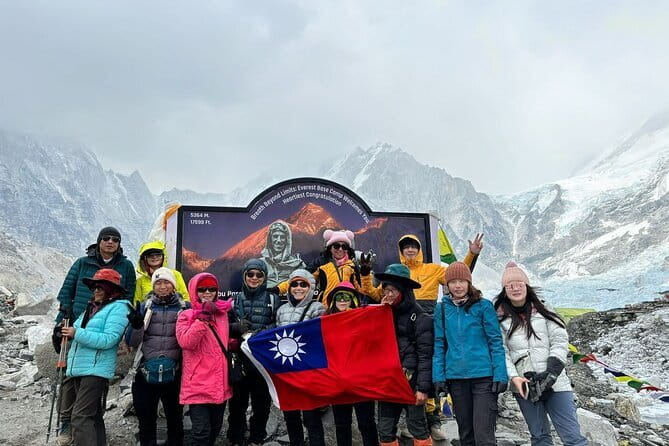
- Everest Base Camp is the emotional high point
- Kala Patthar delivers the biggest view
- The return route is long but satisfying
- The service style is a major strength
- Who should book this trek?
- Practical details before you commit
- Should you book the Everest Base Camp Trek?
- FAQ
- Where does the Everest Base Camp Trek begin?
- How long does the trek last?
- Is airport pickup included?
- How do I reach Lukla?
- Is the domestic flight included?
- Is accommodation included in Kathmandu?
- Are meals included during the trek?
- Is a guide provided?
- Is porter support included?
- What is the highest point reached?
- Is travel insurance included?
- Is this a private tour?
- What fitness level is required?
- Are trekking permits included?
- Are drinks included?
- Can I cancel for a full refund?
Key points at a glance
- Kala Patthar reaches 5,545 meters: The pre-dawn climb delivers the trek’s finest view of Everest, Nuptse, Lhotse, and Ama Dablam.
- Two acclimatization days matter: Namche and Dingboche give your body time to adjust instead of rushing uphill every day.
- Lukla access now includes a road transfer: The plan uses a 4 to 5-hour drive from Kathmandu to Manthali, followed by a 20-minute flight to Lukla.
- Porter support is shared: One porter carries luggage for two clients, which reduces your load but requires sensible packing.
- Tengboche adds cultural depth: Its ancient monastery, prayer flags, stupas, and mountain views give the trek more meaning than a simple summit-focused route.
- The tour has a strong service record: Specific praise goes to owner Pemba and guide Prayash for organization, personal care, and help on demanding treks.
What the $2,200 price really covers
At $2,200 per person, this is not a bare-bones walking holiday. The fee includes airport pickup and drop-off by private vehicle, two nights in a three-star Kathmandu hotel with breakfast, domestic flight tickets, airport tax, trekking permits, Sagarmatha National Park fees, and TIMS registration.
You also receive breakfast, lunch, and dinner during the trek. Staff wages, staff accommodation, staff meals, gear, insurance for the staff, government taxes, VAT, and office service charges are covered. That makes the price easier to understand: you are paying for a managed mountain trip, not simply a guide and a route map.
The guide is government licensed, and one porter is assigned to every two clients. I like that arrangement because it keeps your day pack lighter while avoiding the cost and burden of assigning one porter to each person. You should still pack carefully and keep valuables, medication, documents, and anything needed during the day in your own small bag.
Several costs remain outside the package. You pay for your Nepal entry visa, international flights, travel insurance, high-altitude emergency evacuation cover, personal trekking equipment, Kathmandu lunches and dinners, drinks, hot showers, WiFi, phone use, sweets, and tips for the guide, porter, and driver.
The drink policy is worth noting. Mineral water, hot water, coffee, alcohol, and other beverages are not included. At high altitude, these small purchases can add up, so carry a realistic cash budget.
More Everest Base Camp treks:
- Everest Base Camp Trek – 14 Days
★ 5.0 · 1,499 reviews - Everest Base Camp Trekking
★ 5.0 · 485 reviews - Everest Base Camp Trekking – 13 Day
★ 5.0 · 365 reviews
Kathmandu begins with a soft landing
On day one, a representative meets you at the airport and takes you to a hotel in Thamel. The afternoon is free for shops and restaurants, while the evening gives you time to prepare for the mountains.
This is a useful start. You are not expected to walk after a long international flight, and the private transfer removes the first piece of airport confusion. Thamel is a practical base, with plenty of places to eat and browse, but the tour does not include lunch or dinner in Kathmandu.
The return to Kathmandu comes on day 13. Depending on flight availability and weather, you return by air to Kathmandu or to Manthali Airport, then continue back. You have time to shop before the final airport transfer on day 14, which is arranged three hours before your scheduled departure.
The Lukla approach takes patience
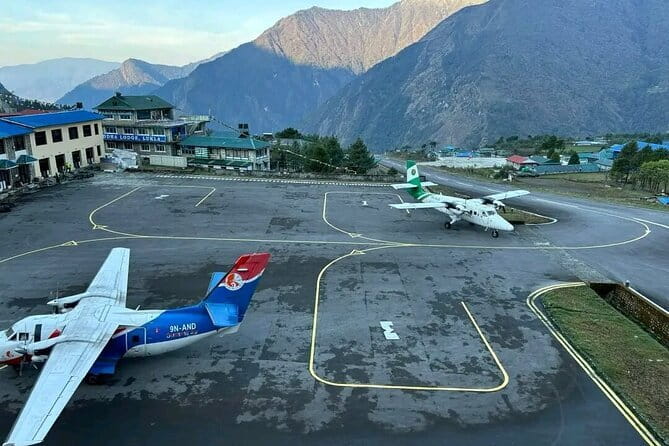
Day two begins with a 4 to 5-hour drive from Kathmandu to Manthali in Ramechhap. From there, you take a short 20-minute flight to Lukla before walking to Phakding.
This transport plan is important. Many visitors picture a direct Kathmandu to Lukla flight, but this itinerary uses the Manthali route. The road adds time and may make the first day feel long, yet it is part of the practical access plan for the Everest region.
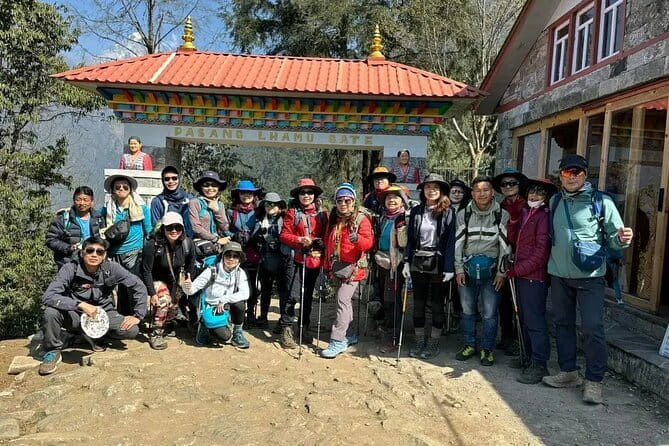
The walk to Phakding marks the real beginning of the trek. It lasts about four hours, and the evening is your first chance to settle into the rhythm of walking, eating, and sleeping in the mountain region. The itinerary does not list an admission fee for the stop.
Namche Bazaar brings the first real test
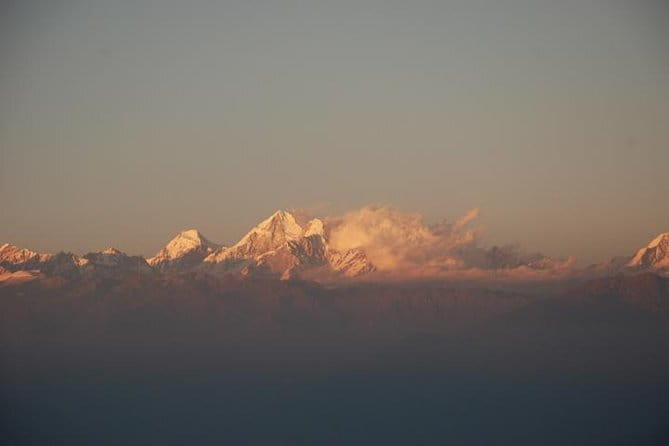
On day three, you walk for about five hours toward Namche Bazaar. The route passes Sherpa communities including Benkar and Chumoa, then reaches Monjo, the entrance to Sagarmatha National Park.
From Monjo, the route becomes steeper. The climb to Namche is difficult, but it gives you an early lesson in high-altitude pacing. I would treat this day as a slow, steady effort rather than a race. Namche is not just a place to sleep. It is the main commercial and cultural centre for the Everest region, with markets, Sherpa food, and a busy trail atmosphere.
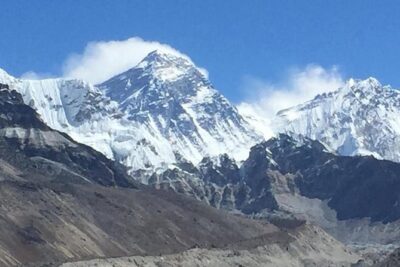
The next day is set aside for acclimatization. You walk to the Everest View Hotel for broad views of Ama Dablam, Thamserku, Everest, Nuptse, and other peaks. The five-hour outing is active, but it lets your body adjust before the route climbs higher.
That balance is one of the strongest parts of the plan. A rest day here does not mean sitting indoors all day. The short climb and return help you adjust while giving you a striking first look at Everest. You should still be alert for signs of altitude illness and tell your guide if you feel unwell.
More walking in the hills of Kathmandu:
- Nagarkot Sunrise View and Day Hiking from Kathmandu
★ 5.0 · 471 reviews - Annapurna Circuit Trek with Tilicho Lake
★ 5.0 · 368 reviews - Everest Base Camp Trek -14 Days
★ 5.0 · 321 reviews - Annapurna base camp trek 5 Days
★ 5.0 · 252 reviews
Tengboche adds prayer flags and mountain views
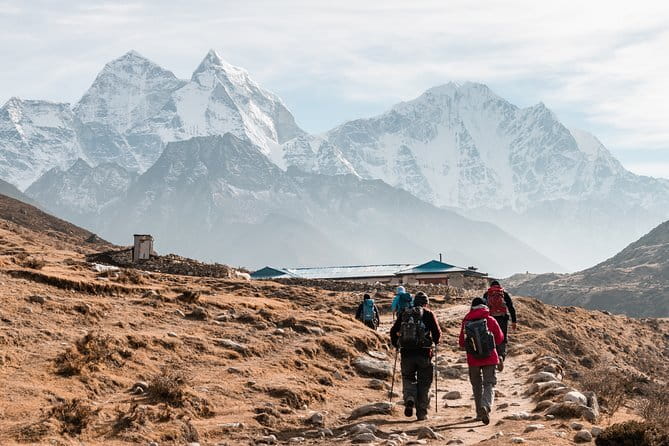
Day five takes about five hours and is described as a gentler walking day, with fewer steep sections. That makes it a good stretch for photographs. The route gives you chances to stop for views of Ama Dablam, prayer flags, and stupas before reaching Tengboche.
Tengboche is one of the trek’s major cultural stops because of its ancient monastery. Sunrise and sunset views from this area are a highlight, with Everest and other peaks forming the backdrop. I like this pause in the schedule because it gives the route a human and spiritual side, rather than making every day about distance and elevation.
The scenery can be spectacular, but do not confuse a gentler day with an easy holiday. You are already walking at serious altitude, and cold, tiredness, and changing weather can affect your pace.
Dingboche gives your body another chance
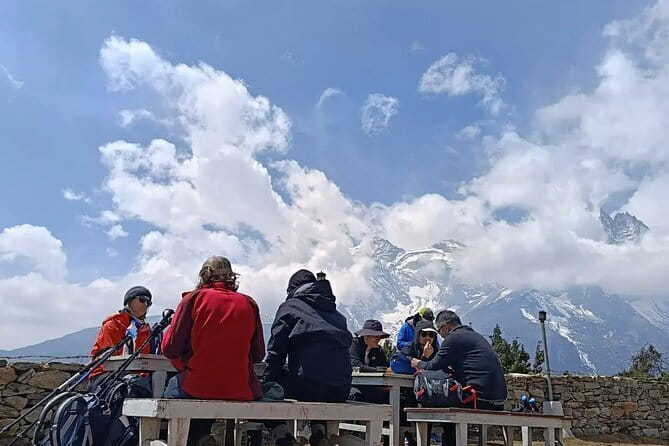
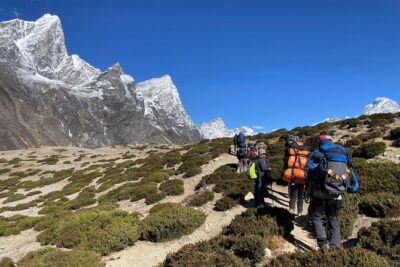
On day six, the trail continues to Dingboche in about four hours. You pass through Pangboche, with Ama Dablam views, chortens, and mani walls. The route also moves past fields and yak pastures as the scenery becomes more alpine.
Dingboche is another key acclimatization point. Day seven includes a short walk to Nagarjun Hill, reaching about 5,100 meters, followed by a return to Dingboche. The outing lasts around five hours and rewards the effort with wide mountain views.
This is a demanding acclimatization day, not a day off. The itinerary gives your body time at altitude while keeping you moving. I consider that a sound approach, though the walk to Nagarjun Hill may feel strenuous after several days on foot. Your guide’s judgment matters here, and the included licensed guide should help manage the pace.
Lobuche and the approach to the glacier
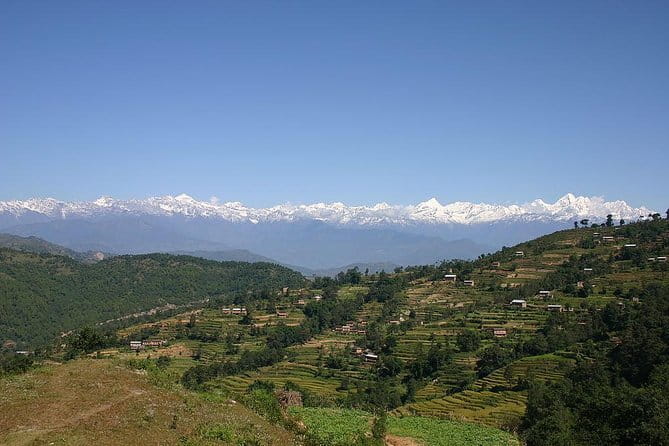
Day eight takes about four hours from Dingboche toward Lobuche. The trail rises gradually through alpine brush and yak pastures, with Ama Dablam, Tawoch, and Cholatse above the valley.
The route now feels more exposed and stark. The earlier woodland and villages give way to rock, open ground, and colder air. This section is less about cultural stops and more about the changing mountain environment.
Lobuche is a useful staging point before the push to Everest Base Camp. You are close to the goal, but altitude makes every short distance feel longer. Keep your expectations realistic and let the guide control the walking rhythm.
Everest Base Camp is the emotional high point
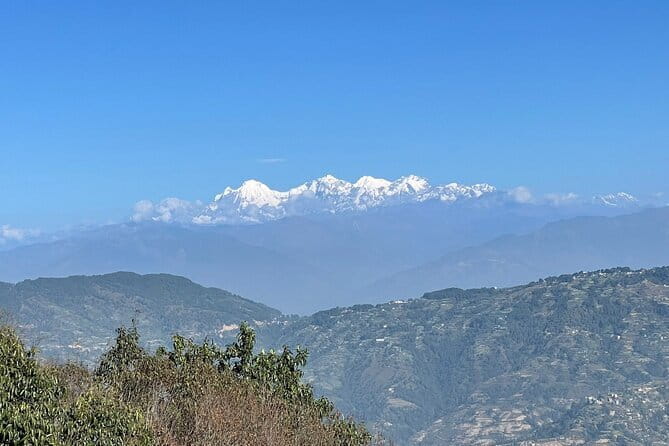
Day nine brings the trek to Gorak Shep in about four hours. The village sits near the lateral moraine of the Khumbu Glacier and is surrounded by snow-covered peaks.
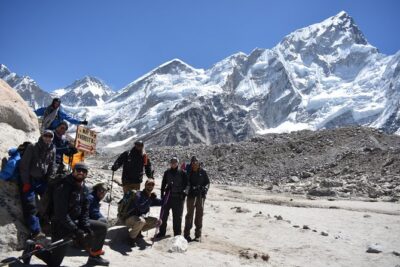
From Gorak Shep, you walk to Everest Base Camp. Reaching Base Camp is the moment many people have imagined for years, but it is worth understanding what makes it special. You are walking beside glacial moraines and into a place shaped by ice, rock, and expedition history. The setting shows nature’s force more clearly than any tidy viewpoint could.
The day is not necessarily the highest point of the trip. Everest Base Camp is the famous name, but Kala Patthar on day ten offers the more complete mountain panorama.
Kala Patthar delivers the biggest view
Day ten begins before dawn with a strenuous climb to Kala Patthar, the highest point on the trek at 5,545 meters. The early start is designed for the mountain views, and the summit offers a 360-degree panorama including Everest, Nuptse, Lhotse, Ama Dablam, and more.
This is likely the hardest single outing of the route. You should expect cold conditions, thin air, and slow progress. The reward is not just a photograph of Everest. You see the major peaks arranged around you, with the scale of the Khumbu region fully revealed.
After Kala Patthar, the itinerary descends to Pheriche. That change in elevation is welcome, though the day remains tiring. I would save energy for the return and avoid treating the summit as the end of the day.
The return route is long but satisfying
Day 11 takes you back toward Namche Bazaar in about five hours. The trail descends overall, although uphill sections remain. As you lose altitude, forests and plant life return, bringing more colour and variety to the route.
It can feel strange to find the return harder than expected. Your body is tired, and the distance still counts even when the trail goes downhill. The changing vegetation gives you a pleasant sense of progress, but your knees may prefer a slow pace.
Day 12 is the final hiking day, about five hours back to Lukla. You follow the route toward the airport town, then have the evening to rest. This is a good time to recognize what you have done: crossed high mountain paths, reached Base Camp, climbed Kala Patthar, and returned on foot through the Khumbu region.
The service style is a major strength
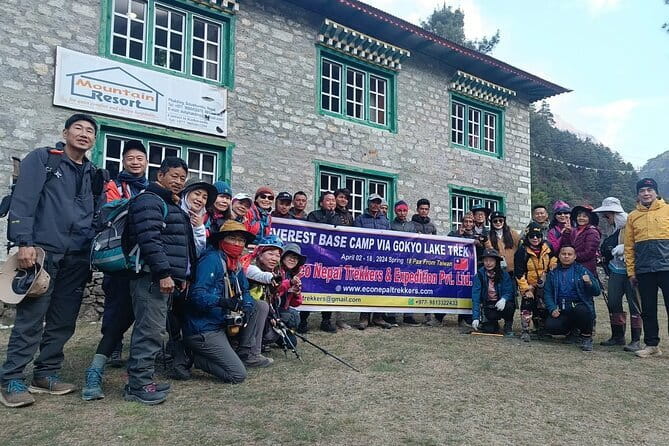
The company is Eco Nepal Trekkers, and the strongest service praise centres on owner Pemba and his team. One detailed account describes Pemba customizing a longer Everest, Cho La Pass, and Gokyo Lakes trip, while guide Prayash provided strong help during the trek.
That is useful evidence about the company’s working style, though it does not guarantee every guide or every departure will be identical. The wider feedback also praises organization, lodge selection, day-trip planning, customer care, and a sense of humanity during the trek.
The tour is private, with only your group participating, and requires at least two people. This is a good fit if you want more personal attention and a group pace that is not set by strangers. It may cost more than joining a large group, but the price includes substantial transport, food, staff, and permit services.
Who should book this trek?
I would choose this trip if you want a structured Everest Base Camp route with the main logistics handled for you. It suits people who value a private group, a licensed guide, porter help, planned acclimatization, and meals included throughout the mountain section.
You need moderate physical fitness, but that phrase should not be taken lightly. The route includes several five-hour walking days, steep sections, glacial moraine, high altitude, and the 5,545-meter climb to Kala Patthar. You also need to be comfortable with basic mountain trekking conditions, since hot showers, WiFi, drinks, and personal comforts cost extra.
The schedule is best for someone who wants the classic Base Camp route rather than a highly customized side journey. The company has shown that it can customize more complex trips, but this 14-day plan focuses on the standard route through Namche, Tengboche, Dingboche, Lobuche, Gorak Shep, and Kala Patthar.
Practical details before you commit
The experience operates from March 13, 2024, through December 7, 2026, Monday to Sunday, with listed operating hours from 7:15 AM to 11:45 PM. Confirmation is provided at booking.
Weather and flight availability affect the return from the Khumbu region. The plan allows a flight to Kathmandu or Manthali Airport on day 13, so you should avoid booking a tight international connection immediately after the scheduled return.
Travel insurance must include high-altitude emergency evacuation. This is not included in the $2,200 cost, and it is one of the most important purchases you make for the trip.
Cancellation terms are fairly strict near departure. Cancel at least six full days before the start for a full refund, cancel two to six full days ahead for a 50 percent refund, and cancel less than two full days ahead with no refund. Changes inside the two-day window are not accepted.
Should you book the Everest Base Camp Trek?
I would book this trek if you want the famous Everest route with a clear support system and a sensible two-stage acclimatization plan. The price is strong for what it includes, especially the flights, private transfers, full trekking meals, permits, guide, porter arrangement, hotel nights, staff costs, and airport taxes.
I would hesitate only if you dislike long walking days, high altitude, shared porter capacity, or extra daily costs for drinks and personal comforts. For a fit and prepared trekker, the combination of Namche culture, Tengboche monastery, glacier scenery, Everest Base Camp, and Kala Patthar makes this a well-rounded Himalayan journey.
FAQ
Where does the Everest Base Camp Trek begin?
The trip begins in Kathmandu, Nepal, with airport pickup and transfer to a hotel in Thamel.
How long does the trek last?
The experience lasts approximately 14 days, including arrival, trekking days, the return to Kathmandu or Manthali, and departure transfer.
Is airport pickup included?
Yes. Airport pickup and drop-off by private vehicle are included.
How do I reach Lukla?
The itinerary includes a 4 to 5-hour drive from Kathmandu to Manthali in Ramechhap, followed by a 20-minute flight to Lukla.
Is the domestic flight included?
Yes. Domestic flight tickets and domestic airport tax are included.
Is accommodation included in Kathmandu?
Yes. Two nights in a three-star Kathmandu hotel are included, based on twin sharing with breakfast.
Are meals included during the trek?
Yes. Breakfast, lunch, and dinner during the trek are included. Lunch and dinner in Kathmandu are not included.
Is a guide provided?
Yes. An experienced trekking guide licensed by the government is included.
Is porter support included?
Yes. One porter is assigned to two clients to carry luggage during the trek.
What is the highest point reached?
Kala Patthar is the highest point, at 5,545 meters.
Is travel insurance included?
No. You must arrange your own travel insurance, including high-altitude emergency evacuation coverage.
Is this a private tour?
Yes. Only your group participates, and the trip requires a minimum of two people.
What fitness level is required?
The stated requirement is moderate physical fitness. The route includes several four to five-hour walking days, steep sections, high altitude, and the demanding climb to Kala Patthar.
Are trekking permits included?
Yes. Sagarmatha National Park permits and TIMS are included.
Are drinks included?
No. Alcohol, mineral water, hot water, coffee, and other drinks are not included.
Can I cancel for a full refund?
Yes, if you cancel at least six full days before the experience start time. Cancellation two to six full days ahead receives a 50 percent refund, while cancellation less than two full days ahead is nonrefundable.
New in the Kathmandu listings
- Traditional Momo Making Class★ 5.0 · 10 reviews
- Kathmandu: Ancient City Kirtipur & Pharping Monastery Tour★ 5.0 · 2 reviews
- Kathmandu to Pokhara Premium sofa bus ticket★ 4.0 · 17 reviews
- Women Empowerment Project(Nepali cooking class & jewelry workshop★ 5.0 · 15 reviews
- 7-Day Langtang Valley Trek from Kathmandu★ 5.0 · 1 review
- Kathmandu 2 Nights 3 Days Chitwan Jungle Safari Tour★ 5.0 · 9 reviews
- Yoga Experience Day Trip with Private Transfer From Kathmandu★ 4.0 · 2 reviews
- Wildlife Adventure in Chitwan Nepal★ 4.0 · 4 reviews
Everest Base Camp Treks, compared.
Everest Base Camp Trek with Helicopter Return from Gorakshep to Lukla
Read our review →Browse the lists this tour appears in