
REVIEW · EVEREST BASE CAMP TREKS
14 Days Everest Base Camp Trek
The mountains do the talking here. This 14-day Everest Base Camp trek gives you the classic Khumbu route, with time in Namche Bazaar and Dingboche to adjust to altitude, plus a sunrise climb of Kala Patthar. I like the small maximum group of 14 and the fact that airport transfers, guide services, regional flights, and trekking meals are included.
I also like the careful return plan, with flights routed through Manthali during busier months and direct Lukla flights during other periods. The main consideration is physical strain: the route reaches 5,555 meters at Kala Patthar, and the long days over rocky ground are not suitable for anyone seeking a gentle mountain holiday.
In This Review
- Key details before you book
- What the $1,590 price really covers
- Day 1 in Kathmandu: arrival without fuss
- Day 2: Lukla, Phakding, and the first mountain steps
- Days 3 and 4: Namche Bazaar and your first altitude break
- Day 5: Tengboche and a monastery above the trees
- Days 6 and 7: Dingboche and the Nangkartsang acclimatization hike
- Day 8: Lobuche and the memorials at Thukla Pass
- Day 9: Gorak Shep and Everest Base Camp
- Day 10: Kala Patthar at sunrise, then down to Pheriche
- Days 11 and 12: returning through Namche to Lukla
- Days 13 and 14: flight uncertainty and a clean finish
- Who will get the most from this trek?
- Practical planning, cancellation, and group details
- Should you book the Everest Base Camp trek?
- FAQ
- How long is the Everest Base Camp trek?
- Where does the trek begin?
- Is airport pickup included?
- Is the Kathmandu to Lukla airfare included?
- Will the return flight always go directly to Kathmandu?
- Are meals included?
- Is travel insurance included?
- What is the highest point on the trek?
- Are acclimatization days included?
- What is the maximum group size?
Key details before you book
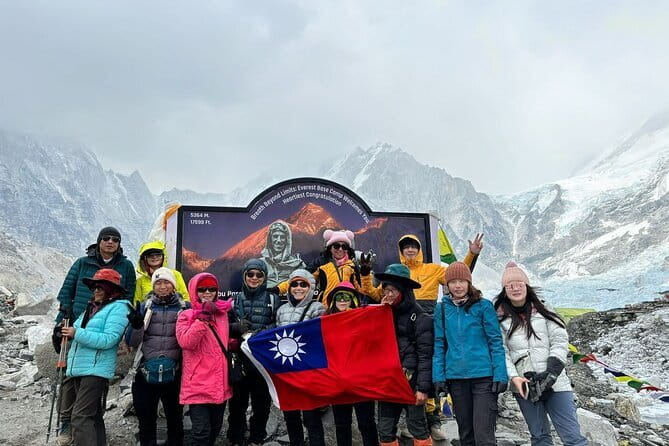
- Kala Patthar reaches 5,555 meters, higher than Everest Base Camp itself, and provides the trek’s highest viewpoint.
- Two acclimatization days are built in, one in Namche Bazaar and one in Dingboche, with hikes rather than total rest.
- Flights can use Manthali, followed by a five to six-hour drive to Kathmandu in March, April, May, October, and November.
- Meals during the trek are included, but Kathmandu lunches and dinners, drinks, insurance, visas, tips, and international flights are extra.
- The group limit is 14 people, a useful size for managing pace, questions, and mountain logistics.
- The route includes Tengboche Monastery, the Khumbu Glacier, Everest Base Camp, and the memorials at Thukla Pass.
What the $1,590 price really covers
At $1,590 per person, this trek bundles many of the costly moving parts of an Everest Base Camp journey. You receive airport and hotel transfers in private tourist vehicles, a guide, the Kathmandu to Lukla and return airfare, airport departure tax for that sector, government taxes, service charges, official expenses, and standard breakfast, lunch, and dinner during the trek.
That package gives the price real value. Lukla flights alone can be a headache to arrange, especially when weather and seasonal traffic affect the schedule. Having the operator handle the mountain flight sector also keeps the trip more orderly.
The price is not all-inclusive. You must budget for international airfare, a Nepal visa, travel insurance with emergency high-altitude rescue and evacuation coverage, alcoholic drinks, hot and cold drinks, Kathmandu lunches and dinners, and tips for the guide and porter. Tipping is expected, so do not treat it as an optional surprise at the end.
The meal allowance is described as standard rather than luxurious. That is normal for this route. At higher villages, food and supplies must reach remote mountain lodges, so you should value a warm meal and steady fuel more than a long menu.
More Everest Base Camp treks:
- Everest Base Camp Trek – 14 Days
★ 5.0 · 1,499 reviews - Everest Base Camp Trekking
★ 5.0 · 485 reviews - Everest Base Camp Trekking – 13 Day
★ 5.0 · 365 reviews
Day 1 in Kathmandu: arrival without fuss
Your trip begins at Tribhuvan International Airport. A representative meets you and takes you to your hotel in a private tourist vehicle, which is a welcome arrangement after an international flight and the busy first moments in Kathmandu.
You also attend a pre-trip meeting with a team member and your guide. If you arrive before 4 p.m., the meeting takes place at the office. Later arrivals meet at the hotel.
Bring two passport-sized photos and a readable copy of your travel insurance policy. This is a small but important preparation detail, particularly because high-altitude rescue and evacuation insurance is required for the trek.
No meals are included on the first day, so your Kathmandu food budget begins immediately. You have a little time to ask questions, check equipment, and settle your nerves before the mountain section begins.
Day 2: Lukla, Phakding, and the first mountain steps
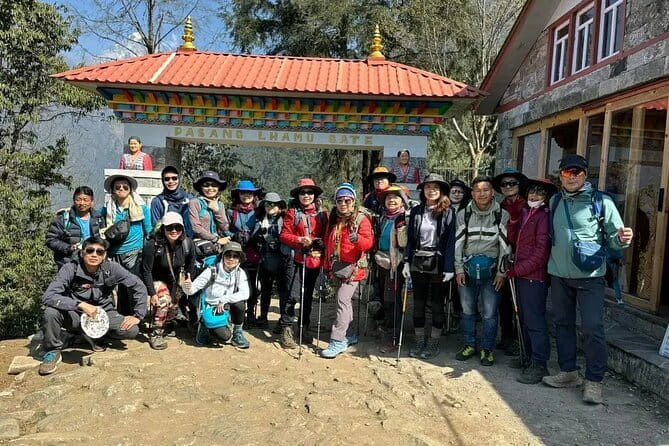
The usual start is a flight to Lukla at 2,804 meters, followed by a three to four-hour trek to Phakding at 2,610 meters. This first walking day is useful because it gets you moving without sending you straight into a major altitude gain.
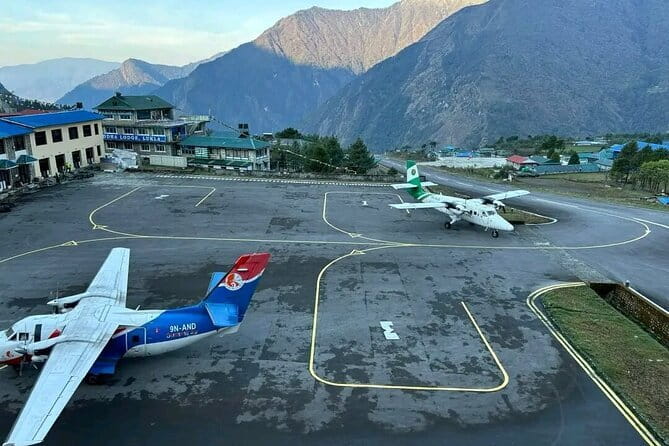
The schedule also allows for a drive to Manthali of roughly four to six hours, followed by a flight to Lukla. This alternate routing matters in March, April, May, October, and November. It adds road time, but it reflects the practical reality of operating flights in the Everest region.
The day is listed at about 10 hours, so you should expect an early start and little spare time. Lukla flights depend on operating conditions and airline decisions, so flexibility is part of the deal even though the exact flight handling is included.
Days 3 and 4: Namche Bazaar and your first altitude break
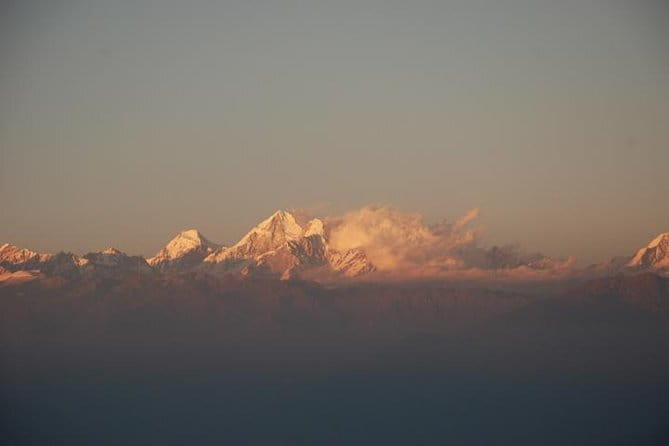
From Phakding, you follow the Dudh Koshi River toward Namche Bazaar. The route crosses suspension bridges and enters Sagarmatha National Park, where permits are checked before the trail climbs more sharply.
Namche sits at 3,440 meters. The approach includes glacial rivers, prayer flags, mani stones, and broad mountain views. The steep final climb can feel demanding, but arriving in this Sherpa trading town gives the route a clear sense of place.
Day 4 is an acclimatization day, not a day spent doing nothing. You hike toward the Sherpa Cultural Museum and Hotel Everest View at 3,880 meters, then return to Namche. This gradual pattern is valuable because your body needs time to adjust before the route rises into thinner air.
Namche is also your best place on the route for trekking equipment, local handicrafts, accommodation, and basic supplies. The operator’s one available rating praises the staff as caring and helpful, which is encouraging here, where calm support matters more than grand promises.
More walking in the hills of Kathmandu:
- Nagarkot Sunrise View and Day Hiking from Kathmandu
★ 5.0 · 471 reviews - Annapurna Circuit Trek with Tilicho Lake
★ 5.0 · 368 reviews - Everest Base Camp Trek -14 Days
★ 5.0 · 321 reviews - Annapurna base camp trek 5 Days
★ 5.0 · 252 reviews
Day 5: Tengboche and a monastery above the trees
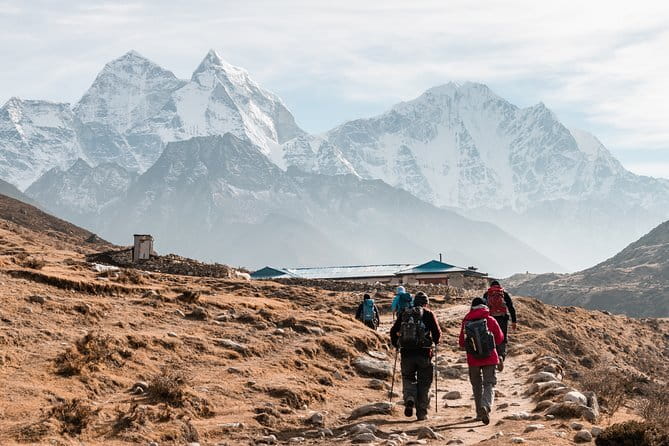
The trail leaves Namche and descends early before climbing again toward Tengboche. You follow the Dudh Koshi River, pass through rhododendron forest, and reach Phungi Thenga before the final ascent.
Tengboche sits at 3,860 meters and is known for its monastery. A visit may allow you to observe a prayer ceremony by the lamas in the morning or evening, depending on the day’s timing.
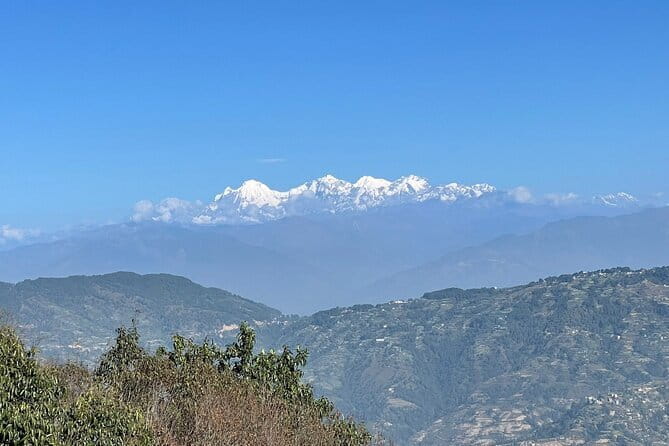
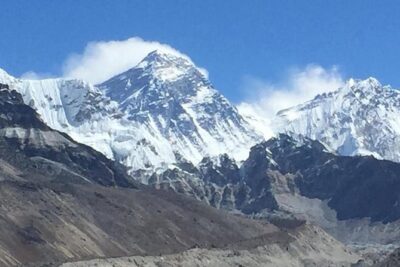
The mountain views are a major reward. Everest, Ama Dablam, Lhotse, and Nuptse appear along the route, while the forest, river, glacier views, and monastery give this section more variety than a simple uphill walk.
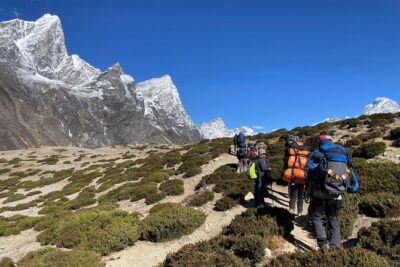
The trail is described as rocky, with five to six hours of trekking. That is manageable for a moderately fit person, but the descent and climb can feel tiring after Namche. Good footwear matters.
Days 6 and 7: Dingboche and the Nangkartsang acclimatization hike
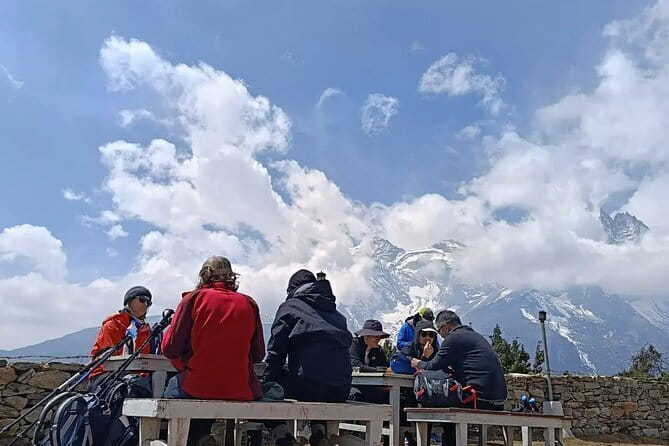
From Tengboche, you continue through alpine forest to Deboche and cross the Imja Khola by suspension bridge. A stone-inscribed wall appears along the route, followed by Pangboche and the trail into the Imja Valley.
Dingboche sits at 4,410 meters. The approach includes strong views of Ama Dablam, but the altitude now becomes a serious factor. The published trek duration is five to six hours, although one schedule entry shows a 16-hour total. I would treat the five to six-hour figure as the walking estimate and confirm the day’s transport and rest arrangements with the operator before departure.
Day 7 provides the second acclimatization break. You hike toward Nangkartsang Peak, reaching 5,083 meters, with Ama Dablam as the main visual reward. You can then return to Dingboche to explore the village or rest at the teahouse.
This is a smart part of the route. The hike gives you a controlled test at higher altitude while preserving a full day for adjustment. You should still report symptoms promptly to your guide. Acclimatization reduces risk, but it does not remove it.
Day 8: Lobuche and the memorials at Thukla Pass
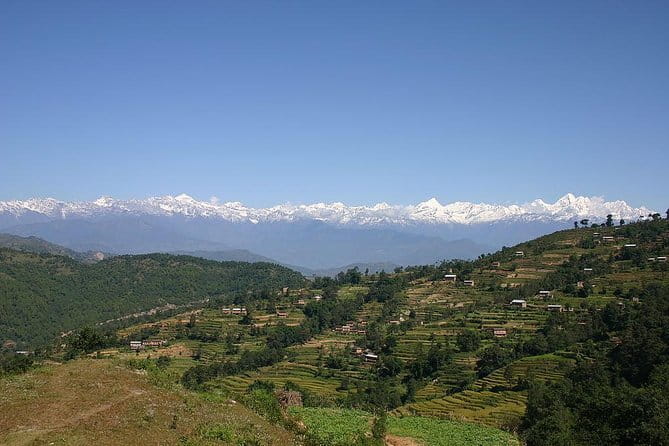
The route climbs gently toward Thukla before continuing to Lobuche at 4,910 meters. You see Taboche and Cholatse, then follow the lateral moraine of the Khumbu Glacier.
The stone memorials at Thukla Pass are among the most sobering points on the trek. They honor climbers who died in the Everest region and are marked with prayer flags. This is not just a scenic stop. It gives the high mountain route a human scale and encourages a quieter pace.
Lobuche brings views of Nuptse, Lobuche, and Pumori. At this altitude, the five to six-hour walk may feel longer than the clock suggests. You are sleeping high, and the next day includes both Gorak Shep and Base Camp, so conserve energy.
Day 9: Gorak Shep and Everest Base Camp
This is one of the hardest days. You leave Lobuche, follow the Khumbu Glacier, and reach Gorak Shep at 5,190 meters before continuing to Everest Base Camp at 5,364 meters.
The trail to Base Camp is rugged. You cross rocky ground beside the Khumbu Glacier and see the Khumbu Icefall, a feature that makes the destination feel very real. The route is not a polished path leading to a single grand viewing platform. It is a demanding mountain walk with uneven terrain and high altitude.
The day takes about eight to nine hours and combines two important stops. You need patience here. Progress may be slow, breathing may feel harder, and the return to Gorak Shep is part of the effort.
Everest Base Camp is a major personal milestone, but keep your expectations practical. The exact appearance of the site changes with the climbing season and conditions. The lasting reward is reaching the point used by expeditions and seeing the glacier and icefall up close.
Day 10: Kala Patthar at sunrise, then down to Pheriche
The day begins very early for the climb to Kala Patthar, the highest point of the trek at 5,555 meters. The goal is a sunrise view over Everest, Lhotse, Nuptse, and Pumori.
Kala Patthar is often the best viewpoint on this route because it gives you a broad mountain panorama. Everest Base Camp is the famous destination, but Kala Patthar is where the scale of the peaks becomes clearer.
After the viewpoint, you descend to Gorak Shep and continue toward Pheriche at 4,240 meters. The full day lasts about seven to eight hours. The descent helps your body by bringing you lower, but your legs will have already worked hard before breakfast.
You should pack warm layers where you can reach them quickly. Early morning at 5,555 meters is a different experience from the warmer afternoon walk down.
Days 11 and 12: returning through Namche to Lukla
Day 11 takes you from Pheriche back to Namche Bazaar, following the route through Pangboche and Tengboche. You cross a suspension bridge and continue through forest toward Namche.
The return day is listed at seven to eight hours. Downhill does not always mean easy. Rocky steps, tired knees, and long descents can make this section surprisingly demanding.
Day 12 continues from Namche to Lukla, also at about seven to eight hours. This is the final full walking day in the Everest region, so you have time to look around Lukla and mark the end of the trail.
The two-day return is useful because it avoids an immediate rush from the high valleys to the airport. Still, the schedule remains active. A moderate fitness level is required, and you should train for sustained walking rather than short bursts of exercise.
Days 13 and 14: flight uncertainty and a clean finish
The return flight depends on the month. In January, February, June, July, August, September, and December, the flight from Lukla to Kathmandu takes about 35 minutes, followed by a shared tourist vehicle to your hotel.
In March, April, May, October, and November, you fly from Lukla to Manthali for about 20 minutes, then drive five to six hours to Kathmandu. Highway traffic can change the drive time.
The airline decides whether flights operate, based partly on the number of people flying in a given month. This means Day 13 needs some flexibility. The package includes the regional airfare, but it cannot guarantee mountain-flight conditions.
On Day 14, an airport representative takes you to Tribhuvan International Airport for your flight home. You should avoid scheduling an international departure so tight that a delayed mountain flight creates a crisis.
Who will get the most from this trek?
This trip suits you if you want the standard Everest Base Camp route with a guide, included trekking meals, organized airport transfers, and built-in acclimatization days. It is also a good fit if you prefer a group capped at 14 rather than a large procession.
You need moderate physical fitness and a willingness to walk for five to nine hours on rocky trails. The altitude is the bigger issue. Namche, Dingboche, Lobuche, Gorak Shep, Base Camp, and Kala Patthar all demand respect.
I would not choose this trek if you want a relaxed sightseeing holiday, predictable flight times, or comfortable city-style lodging throughout. The route includes real exertion, basic mountain accommodation, early starts, and possible changes to flight arrangements.
The available praise for the company focuses on caring and helpful staff. That is the quality I would value most here. A guide who listens, watches the group, and handles changes calmly can make a hard trek feel manageable.
Practical planning, cancellation, and group details
Confirmation is provided at booking, and pickup is offered from Tribhuvan International Airport. The experience operates Monday through Friday during the stated 2025 period, and the meeting point is Tribhuvan Airport in Kathmandu.
The maximum group size is 14. Group discounts are available, and the ticket is mobile. Free cancellation applies when you cancel at least 24 hours before the local start time. Cancellations or changes made inside that window are not accepted for a refund.
You should arrange suitable travel insurance before arrival. The policy must cover emergency high-altitude rescue and evacuation, and you should bring a readable copy to the pre-trip meeting.
Should you book the Everest Base Camp trek?
I would book this trek if you want a clearly organized route to Everest Base Camp and Kala Patthar without arranging every flight, meal, transfer, and permit-related expense yourself. The inclusion of two acclimatization days, a guide, a 14-person limit, and trekking meals gives the $1,590 price solid practical value.
Before paying, confirm the current flight routing for your month, clarify the Day 6 timing discrepancy, and ask exactly what porter support is included if that matters to you. You should also budget for tips, drinks, insurance, Kathmandu meals, and possible delays.
For a fit hiker who accepts basic conditions and altitude uncertainty, this is a strong classic Everest route. For anyone unsure about long mountain days or high-altitude exposure, choose a lower Nepal trek instead.
FAQ
How long is the Everest Base Camp trek?
The experience lasts approximately 14 days, including arrival and departure days in Kathmandu, the trek, regional flights, and airport transfers.
Where does the trek begin?
The trip begins at Tribhuvan International Airport in Kathmandu, Nepal.
Is airport pickup included?
Yes. Airport and hotel transfers in private tourist vehicles are included at the beginning, and an airport representative accompanies you for departure.
Is the Kathmandu to Lukla airfare included?
Yes. Airfare for the Kathmandu to Lukla and return sector, including airport departure tax, is included.
Will the return flight always go directly to Kathmandu?
No. In March, April, May, October, and November, the return flight goes from Lukla to Manthali, followed by a five to six-hour drive to Kathmandu. In the other listed months, the Lukla to Kathmandu flight takes about 35 minutes.
Are meals included?
Standard breakfast, lunch, and dinner during the trek are included. Lunch and dinner in Kathmandu are not included.
Is travel insurance included?
No. You must arrange your own travel insurance, and it must cover emergency high-altitude rescue and evacuation.
What is the highest point on the trek?
Kala Patthar is the highest point at 5,555 meters. Everest Base Camp is at 5,364 meters.
Are acclimatization days included?
Yes. One acclimatization day is scheduled in Namche Bazaar, with a hike toward Hotel Everest View, and another is scheduled in Dingboche, with a hike toward Nangkartsang Peak.
What is the maximum group size?
The group can include a maximum of 14 people.
New in the Kathmandu listings
- Traditional Momo Making Class★ 5.0 · 10 reviews
- Kathmandu: Ancient City Kirtipur & Pharping Monastery Tour★ 5.0 · 2 reviews
- Kathmandu to Pokhara Premium sofa bus ticket★ 4.0 · 17 reviews
- Women Empowerment Project(Nepali cooking class & jewelry workshop★ 5.0 · 15 reviews
- 7-Day Langtang Valley Trek from Kathmandu★ 5.0 · 1 review
- Kathmandu 2 Nights 3 Days Chitwan Jungle Safari Tour★ 5.0 · 9 reviews
- Yoga Experience Day Trip with Private Transfer From Kathmandu★ 4.0 · 2 reviews
- Wildlife Adventure in Chitwan Nepal★ 4.0 · 4 reviews
Everest Base Camp Treks, compared.
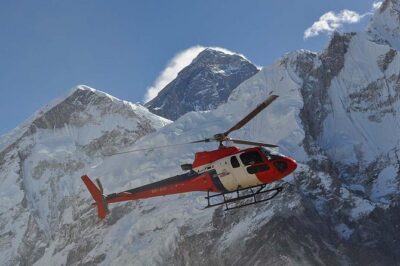
Everest Base Camp Trek with Helicopter Return from Gorakshep to Lukla
Read our review →Browse the lists this tour appears in