
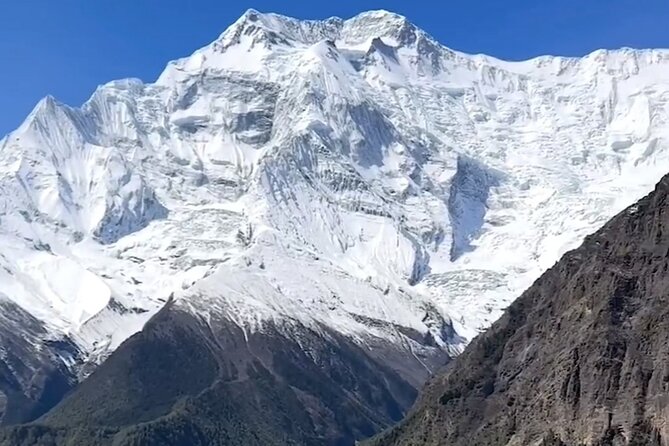
REVIEW · ANNAPURNA CIRCUIT TREKS
8 Days Private Guided Trekking in Annapurna Circuit with Pickup
High passes reward steady legs. This 8-day Annapurna Circuit trek packs forests, mountain villages, alpine valleys, Thorong La Pass, and Muktinath into a short private journey. I like the included Annapurna Conservation Area permit and TIMS card, and I like that guides such as Sobit, Sirjan, Garap, Bijay, and Ramesh have received praise for pacing, logistics, and altitude support. The main concern is the schedule: reaching 5,416-meter Thorong La in eight days leaves little spare time for slow acclimatization.
I also like the practical coverage: guide costs, three daily meals for seven days, first-aid medicine, some seasonal fruit, and transport from Kathmandu, Pokhara, or Chitwan toward the trailhead. At $260 per person, the package looks strong for a private trek, but you should confirm your lodging arrangements and the exact day-six route before paying.
In This Review
- Key points to know before booking
- What this $260 Annapurna trek really includes
- Day 1: Kathmandu pickup to Besisahar and Chame
- Day 2: Forest paths and Upper Pisang
- Day 3: Ngawal viewpoints and Manang
- Day 4: Manang rest day and Gangapurna Lake
- Day 5: Letdar and Yak Kharka
- Day 6: Yak Kharka to Thorong High Camp
- Day 7: Thorong La Pass, Muktinath, and Jomsom
- Day 8: Shared jeep from Jomsom to Pokhara
- Why the private guide matters on a short high-altitude route
- The biggest trade-off: eight days is efficient, not leisurely
- What the strong feedback tells you
- What to pack and what to confirm
- Should you book this Annapurna Circuit trek?
- FAQ
- How long is the Annapurna Circuit trekking experience?
- Where can pickup be arranged?
- Is the tour private?
- What meals are included?
- Are trekking permits included?
- What is the highest point on the trek?
- Can I cancel for a full refund?
Key points to know before booking
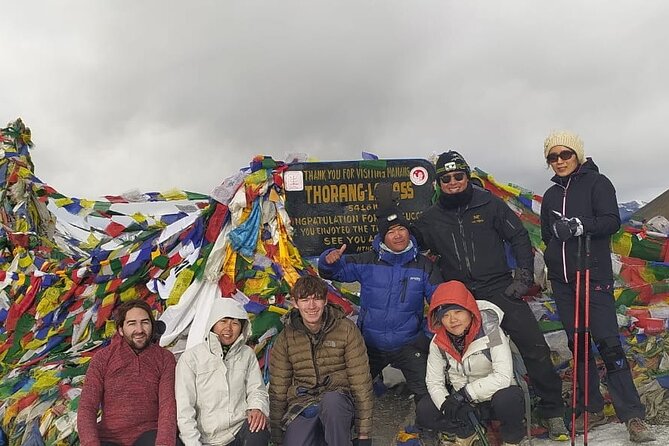
- Thorong La reaches 5,416 meters: This is the trek’s hardest and highest section, so fitness and altitude planning matter.
- The route mixes walking and road travel: Shared transport takes you toward Besisahar, a jeep continues to Chame, and a shared ride carries you from Jomsom to Pokhara.
- A rest day is built into Manang: You can stay local or hike toward Gangapurna Lake and other higher viewpoints.
- Your guide is a major part of the value: Previous guests singled out Sobit, Sirjan, Garap, Bijay, and Ramesh for organization, pacing, and help with altitude problems.
- Meals and permits are covered: Seven breakfasts, seven lunches, seven dinners, the conservation permit, and TIMS card are included.
- This is private on the trail but shared on key transfers: Only your group takes part in the tour, while some road transport is shared.
What this $260 Annapurna trek really includes
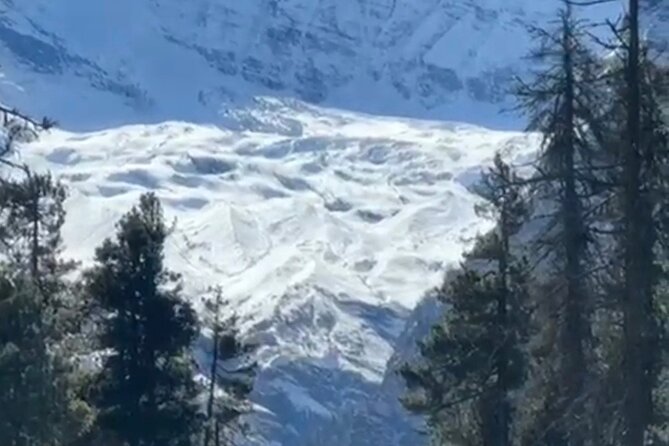
The price is unusually low for an eight-day Himalayan trek, so it deserves a close look. Your guide’s salary, food, accommodation, and insurance are covered, as are official taxes, service charges, first-aid medicine, a trip certificate, and some seasonal fruit.
The food package includes seven breakfasts, seven lunches, and seven dinners. Extra meals, bar bills, and tips are not included. The information also says a sleeping bag and trekking poles are available if you need them, which can save you from bringing bulky gear from home.
Your Annapurna Conservation Area permit and TIMS card are included. That matters because these are not optional paperwork details. They are part of trekking legally and responsibly in the region.
Transport is partly covered. You can be collected from a location in Kathmandu, Pokhara, or Chitwan, then travel toward Besisahar and onward by jeep to Chame. At the other end, shared transport takes you from Jomsom to Pokhara.
One point needs clarification before booking: accommodation for you is not listed as a separate inclusion, although the guide’s accommodation is covered and the arrangements appear to be handled as part of the trip. Ask exactly what type of room and lodging is included in each village. At this price, clarity is more useful than assumptions.
More Annapurna Circuit treks:
- Annapurna Circuit Trek with Tilicho Lake
★ 5.0 · 368 reviews - Annapurna Circuit Trek
★ 5.0 · 94 reviews - Annapurna Circuit Trek
★ 5.0 · 35 reviews
Day 1: Kathmandu pickup to Besisahar and Chame
The first day is mainly a road day. From your pickup point, you travel to Besisahar, then continue by jeep to Chame. The total time is listed at about six hours, though mountain roads can make driving times feel less predictable than the clock suggests.
This approach makes the eight-day schedule possible. You are not spending the first full day walking a lower section of the route. Instead, the vehicle carries you closer to the main mountain scenery, leaving more time for the upper circuit.
The trade-off is obvious: you start with a long transfer rather than a gentle walking day. If you arrive tired, the trek has already begun before you put on your boots. Pack water, snacks, and anything you need during the ride in an accessible day bag.
Day 2: Forest paths and Upper Pisang
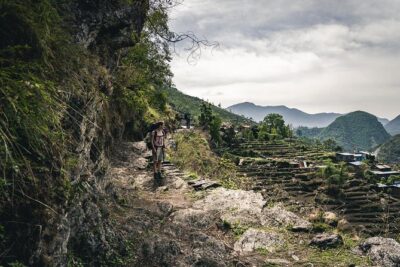
Day two brings your first substantial trek. You walk through dense forest with views toward Annapurna II, pass Dhikur Pokhari village, and continue to Lower Pisang before climbing to Upper Pisang.
The route offers a useful introduction to the circuit’s changing character. You get trees, open mountain views, and village life in one day. Dhikur Pokhari gives you a chance to see a local settlement rather than simply pass through a trail corridor.
Upper Pisang is a worthwhile overnight stop because the itinerary includes an ascent from Lower Pisang. That climb adds effort, but it also puts you farther along the route for the next morning. The day is listed at about five hours, making it demanding but not the longest walking day on paper.
Day 3: Ngawal viewpoints and Manang
The third day takes you toward Ngawal and then Manang, with about six hours of trekking. This is one of the days where the route’s mountain views become the main event.
Ngawal offers broad views of the Annapurna range. From there, you continue toward Manang, a major stop in the circuit and the place where the itinerary pauses for altitude adjustment.
The guide’s role becomes especially useful here. Garap was praised for adjusting equipment and pacing so one guest could complete the trek despite limited preparation time. That is the kind of support you want before the route becomes more exposed and the air gets thinner.
More walking in the hills of Kathmandu:
- Everest Base Camp Trek – 14 Days
★ 5.0 · 1,499 reviews - Everest Base Camp Trekking
★ 5.0 · 485 reviews - Nagarkot Sunrise View and Day Hiking from Kathmandu
★ 5.0 · 471 reviews - Everest Base Camp Trekking – 13 Day
★ 5.0 · 365 reviews
Day 4: Manang rest day and Gangapurna Lake
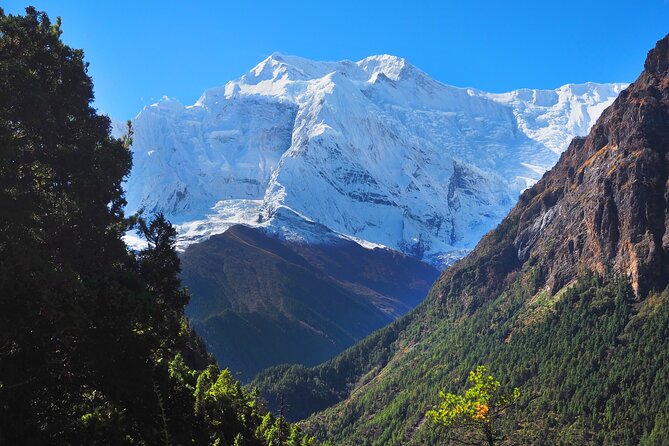
The rest day in Manang is not a wasted day. It is the safety valve of the itinerary, giving your body time to adjust before the higher sections.
You can keep the day quiet in Manang, or choose the optional hike toward Gangapurna Lake. The schedule lists about five hours for this day, suggesting that the optional outing can still be a proper walk rather than a quick stroll.
The plan also allows a higher-altitude hike, though the supplied details do not specify its exact destination or elevation. Ask your guide what is suitable on the day. The correct choice depends on how you are feeling, not on proving toughness.
One guest described Sirjan’s support during an altitude-sickness episode as essential to finishing the trek. That does not make altitude illness harmless. It does show why a private guide who watches your pace and condition can be worth more than a cheaper unsupported plan. If you have a health concern, consult a doctor before booking.
Day 5: Letdar and Yak Kharka
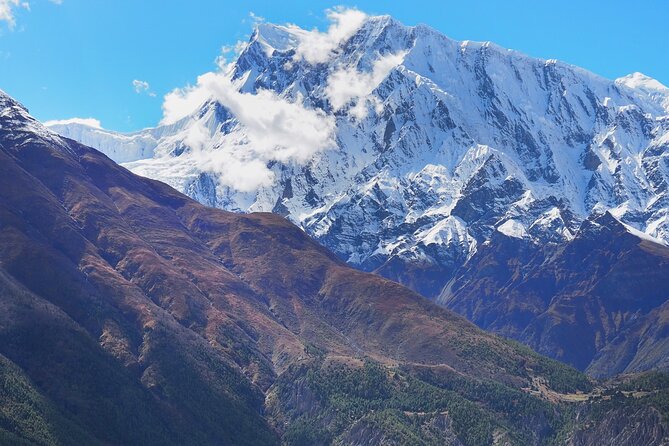
From Manang, the route climbs through alpine scenery toward Yak Kharka, passing Letdar on the way. The walking time is listed at about five hours.
This is a steady altitude day. There is no famous pass yet, but the surroundings change as you leave behind the lower forests and move into more open high-country terrain. You will want to keep your pace comfortable and drink regularly.
Yak Kharka is important mainly because it positions you for Thorong La. The overnight stop breaks up the climb and gives you a chance to prepare for the high camp and pass crossing. Keep your warm layers, gloves, headlamp, and water close at hand rather than buried in your main bag.
Day 6: Yak Kharka to Thorong High Camp
Day six is listed as a roughly four-hour trek to Thorong High Camp at 4,450 meters. This is the key staging day before the pass.
The route is shorter than some other days, but the altitude makes it serious. Four hours at high elevation can feel harder than a longer walk at lower altitude. The goal is not speed. It is reaching camp in good condition for an early start.
There is a small planning point to settle with the operator. The day-six description says you sleep at Thorong High Camp, while the next day begins with a reference to Thorong Phedi. Those are linked points on the approach to the pass, but the wording is not fully consistent. Ask whether your overnight is at Thorong Phedi or High Camp, and how the morning route will be handled.
That question is not nitpicking. It affects your start time, expected effort, and sleeping arrangements before the hardest morning.
Day 7: Thorong La Pass, Muktinath, and Jomsom
This is the defining day. You begin early, climb to Thorong La at 5,416 meters, descend to Muktinath at 3,800 meters, and then continue by road to Jomsom. The walking portion is listed at about six hours, followed by the drive.
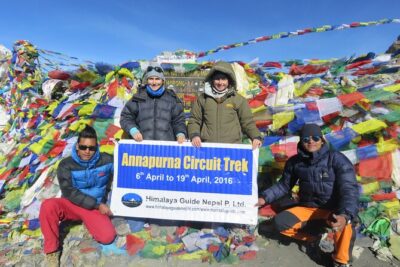
Thorong La is physically demanding because you gain high altitude before descending a long way. The pass itself is the reward for the previous days of steady climbing, with major Himalayan views and a strong sense of crossing from one side of the circuit to the other.
Muktinath adds a spiritual dimension. The overview identifies a sacred Lord Vishnu Temple, making this more than a scenic stop. You can approach the site with respect, even if you are mainly there for the trek. The combination of high mountain terrain and religious importance gives the day more meaning than a simple summit photo.
The descent to Muktinath can be hard on knees and feet. Trekking poles are particularly useful here, and they are available through the company if needed. After the pass, the road to Jomsom means you are not walking every remaining mile, which helps keep the eight-day plan workable.
Day 8: Shared jeep from Jomsom to Pokhara
The final day is another road day, with a shared jeep ride from Jomsom to Pokhara. The journey is listed at about six hours and takes you through changing mountain scenery before reaching the lakeside city.
This arrangement is practical. Instead of adding several walking days after Muktinath, you finish in Pokhara, where the trek can end with a more relaxed setting. The shared vehicle also keeps the package price down.
Still, shared transport requires flexibility. You will not have the same control over departure timing as you would with a private vehicle. If you have a flight or another fixed appointment in Pokhara, allow plenty of room rather than building your plans around the listed six hours.
Why the private guide matters on a short high-altitude route
The private format is the strongest feature of this plan. Only your group participates, so the walking pace can be adjusted more easily than in a large mixed group.
That matters on an eight-day schedule. Some people will find the pace manageable, while others will need longer breaks or a slower climb. The experience of Garap adjusting equipment and pacing is exactly the sort of practical help that can turn a difficult trek into a finished trek.
The guides named in the available feedback include Sobit, Sirjan, Garap, Bijay, and Ramesh. Sobit was praised for organizing logistics and arranging guides and porters. Sirjan received strong praise for local explanations, humor, and help during altitude sickness. Bijay was described as a reliable companion on the circuit, while Ramesh was praised for making the trek feel well organized and personal.
Guide quality can vary from trip to trip, so ask who will lead your group. Also ask how the guide handles a worsening altitude problem, since no guide can remove the medical risk of going too high too quickly.
The biggest trade-off: eight days is efficient, not leisurely
The route covers a great deal in a short period. You get the core mountain section, a Manang acclimatization day, Thorong La, Muktinath, and transport to Pokhara without committing to a longer circuit.
I like that efficiency for someone with limited time. It also explains why the tour has been booked well ahead on average, around 38 days before departure. High-season planning can matter for permits, guides, transport, and available rooms.
The concern is the compressed schedule. A moderate physical fitness level is required, and the altitude is not a minor detail. The itinerary includes a rest day, but little spare time if weather, road conditions, or your own health changes the plan.
This is best for you if you already walk regularly, can handle several consecutive trekking days, and accept that the pass day will be demanding. It is less suitable if you want short walking days, lots of free time, or a slow acclimatization plan.
What the strong feedback tells you
The most consistent praise centers on organization and human support. Sobit was credited with arranging guides, porters, food, accommodation, and transport so the group could focus on walking. Another guest praised the agency’s attention to small details and hospitality.
That is important in Nepal, where a trek involves more than trail navigation. Vehicles, permits, meals, guides, and changing road conditions all need attention. A good organizer reduces the number of decisions you must make while tired.
The personal guide praise is just as useful. Sirjan was described as humorous and helpful with local culture, while another account highlighted his response to altitude sickness. Garap’s pacing and equipment adjustments helped a guest who had little time to prepare in Kathmandu.
There is also praise for the overall eight-day structure, with several people describing the trip as memorable and well planned. Some comments refer to Annapurna Base Camp rather than the Annapurna Circuit, so do not use those comments to assume that this exact itinerary includes ABC. Confirm the route you are buying, especially if your main goal is a particular viewpoint or sanctuary.
What to pack and what to confirm
The company can provide a sleeping bag and trekking poles if needed. Even so, ask before departure whether you need to reserve them and what condition or type of equipment is supplied.
Your own packing priorities should focus on warmth, rain protection, sturdy footwear, personal medication, and a day bag for the long road transfers. The provided information does not specify a luggage limit, porter arrangement, or room type, so ask about those points directly.
Confirm these details before you go:
- The exact overnight location on day six
- What guest accommodation is included
- The guide’s name and language arrangements
- How shared transport operates on the first and final road sections
- What extra meals might cost
- How tips are normally handled
The cancellation policy is generous if your plans change early. You can receive a full refund by canceling at least 24 hours before the start time. Changes or cancellations inside that window are not accepted for a refund, and poor weather may lead to a new date or a full refund.
Should you book this Annapurna Circuit trek?
I would consider booking it if you want the main high-altitude section of the Annapurna Circuit but have only eight days. The price, permits, meals, guide costs, first-aid support, and transport make it good value, especially in a private format.
I would book only after confirming the lodging and day-six details. I would also treat the 5,416-meter pass as a serious physical goal, not a sightseeing stop.
Choose this trek if you value hands-on logistics, a private guide, and a direct route to Thorong La. Choose a longer itinerary if you want more acclimatization time or a gentler pace. For a fit walker with limited time, this plan offers a lot of Nepal in a compact package, with the right guide likely making the biggest difference.
FAQ
How long is the Annapurna Circuit trekking experience?
The trek lasts approximately eight days, including road transfers and the walking sections.
Where can pickup be arranged?
Pickup is offered from your location in Kathmandu, Pokhara, or Chitwan. Transport then continues toward Besisahar and Chame.
Is the tour private?
Yes. Only your group participates in the trekking activity. Some transportation, including the Jomsom to Pokhara journey, is shared.
What meals are included?
Seven breakfasts, seven lunches, and seven dinners are included. Extra meals and bar bills are not included.
Are trekking permits included?
Yes. The Annapurna Conservation Area permit and TIMS card are included.
What is the highest point on the trek?
The route crosses Thorong La Pass at 5,416 meters. You should have a moderate level of physical fitness and consult a doctor about any health concerns.
Can I cancel for a full refund?
You can cancel at least 24 hours before the experience begins for a full refund. Cancellations or changes made less than 24 hours before the start time are not refunded. If poor weather causes the operator to cancel, you will be offered another date or a full refund.
New in the Kathmandu listings
- Traditional Momo Making Class★ 5.0 · 10 reviews
- Kathmandu: Ancient City Kirtipur & Pharping Monastery Tour★ 5.0 · 2 reviews
- Kathmandu to Pokhara Premium sofa bus ticket★ 4.0 · 17 reviews
- Women Empowerment Project(Nepali cooking class & jewelry workshop★ 5.0 · 15 reviews
- 7-Day Langtang Valley Trek from Kathmandu★ 5.0 · 1 review
- Kathmandu 2 Nights 3 Days Chitwan Jungle Safari Tour★ 5.0 · 9 reviews
- Yoga Experience Day Trip with Private Transfer From Kathmandu★ 4.0 · 2 reviews
- Wildlife Adventure in Chitwan Nepal★ 4.0 · 4 reviews
Annapurna Circuit Treks, compared.
15-Day Private Annapurna Circuit Trek from Kathmandu
Read our review →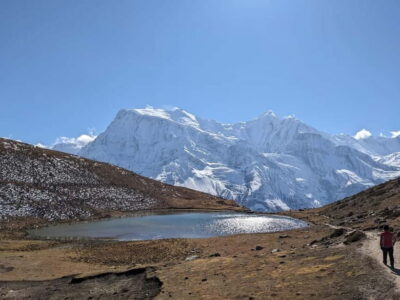
Browse the lists this tour appears in