
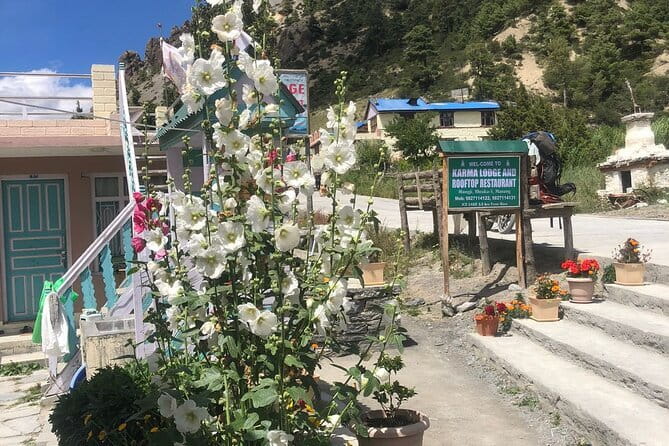
REVIEW · ANNAPURNA CIRCUIT TREKS
Annapurna Circuit Trek in Nepal (9 Days)
The high pass is the great payoff. This 9-day Annapurna Circuit Trek links Kathmandu, mountain villages, alpine trails, and Muktinath before ending in Pokhara. I like the built-in acclimatization day in Manang and the fact that the price includes tea house lodging, meals, permits, guides, and ground transport. The main consideration is the pace: Thorong La reaches 5,416 meters, and the itinerary asks you to cover demanding ground in a short time.
I also like the personal attention promised by Recreation Holidays, especially the small-group format and licensed English-speaking guide. The trek has earned a perfect overall rating from seven published ratings, with repeated praise for organization, guide support, cultural encounters, and the way the staff helped make a difficult route feel manageable. Still, you need moderate fitness, patience with long transport days, and suitable travel insurance.
In This Review
- Key points before you book
- What the $880 price really covers
- Day 1: Kathmandu to Bhulbhule and Dharapani
- Day 2: Dharapani to Chame through Tibetan-style villages
- Day 3: Forest trails, bridges, and Paungda Danda
- Day 4: Reaching Manang and the Annapurna views
- Day 5: A useful acclimatization day in Manang
- Day 6: Manang to Yak Kharka
- Day 7: Yak Kharka to Thorong Phedi
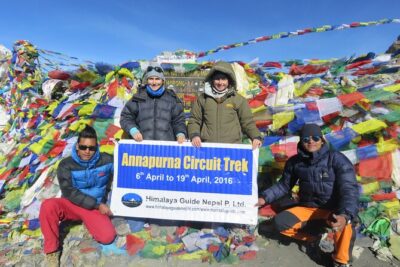
- Day 8: Thorong La and the descent to Muktinath
- Day 9: Muktinath to Pokhara through Mustang
- Guides, group size, and porter choices
- Who will enjoy this trek most
- Should you book the Annapurna Circuit Trek?
- FAQ
- What is included in the $880 tour price?
- Is porter service included?
- Where does the trek start and finish?
- How high is Thorong La Pass?
- Is there an acclimatization day?
- What level of fitness is needed?
Key points before you book
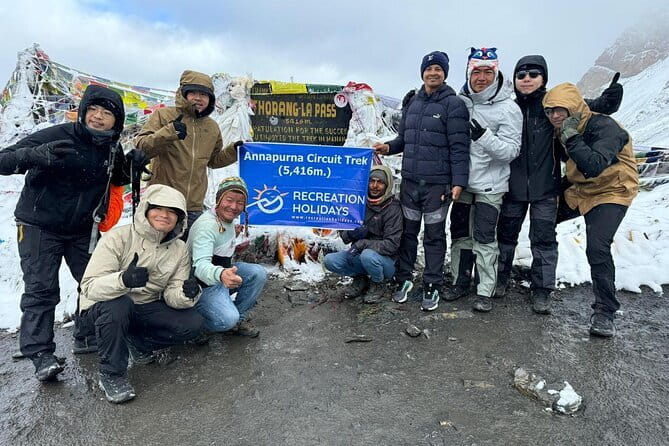
- Thorong La at 5,416 meters: The trek’s highest point comes after a slow, cold, early morning climb.
- Manang acclimatization day: You get a full day to rest, explore the village, visit monasteries, or walk toward Gangapurna’s glacial lakes.
- Tea house comfort: Eight nights of twin-sharing accommodation are included, along with eight breakfasts, eight dinners, and nine lunches.
- Transport is part of the adventure: The trip begins with a bus and shared jeep from Kathmandu and ends with a jeep or bus from Muktinath to Pokhara.
- Porters cost extra: Porter service is available at $240 per porter, with one porter recommended for every two trekkers.
- Private group format: Only your group participates, with an assistant guide included for groups of eight or more.
What the $880 price really covers
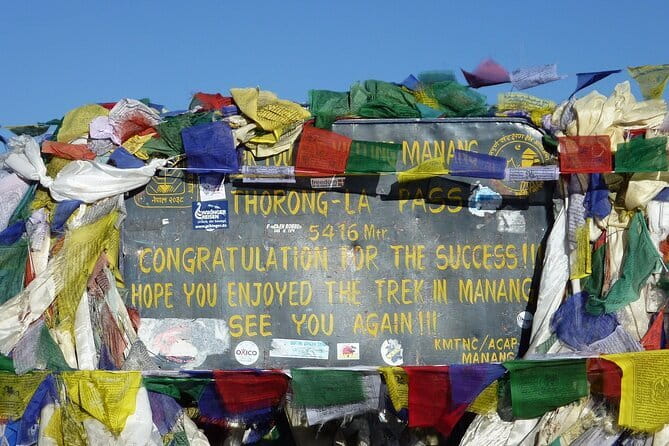
At $880 per person, this is not a bare-bones walk where you pay for every small item along the way. The fee covers eight nights in twin-sharing tea houses, a licensed English-speaking guide, trekking permits, a first-aid kit, local transport, and all listed taxes and fees.
Food is also included for the full route: eight breakfasts, eight dinners, and nine lunches. That matters on a high-altitude trek, since arranging meals yourself can be awkward once you leave the road towns. You still pay for Nepal’s entry visa, international flights, accommodation in Kathmandu and Pokhara, insurance, extra baggage, and optional porter service.
I consider the package fairly priced for the amount of support included. The value is strongest if you want a planned trek with a guide and do not want to arrange permits, transport, lodging, and meals separately. The price is less attractive if you already have a porter, know the route well, or prefer to arrange every part independently.
One important point: emergency evacuation is listed as covered by travel insurance, not by the tour price itself. You need your own suitable travel and medical insurance before setting out. The company provides support, but that does not replace the policy.
More Annapurna Circuit treks:
- Annapurna Circuit Trek with Tilicho Lake
★ 5.0 · 368 reviews - Annapurna Circuit Trek
★ 5.0 · 94 reviews - Annapurna Circuit Trek
★ 5.0 · 35 reviews
Day 1: Kathmandu to Bhulbhule and Dharapani
The day begins early, with hotel pickup around 6 or 7 in the morning. The stated meeting time is 6:15 am, and the pickup point is connected with Tribhuvan Airport in Kathmandu. You first travel by bus toward Bhulbhule through Besisahar, then transfer to a shared jeep for the mountain road.
This is a long opening day, with transport rather than walking as the main event. You get your first look at the changing scenery as the road leaves the Kathmandu Valley and heads toward the foothills. The shared jeep adds a local feel, but it also means less space and less control over departure timing than a private vehicle.
The route eventually takes you to Dharapani, where the walking portion begins in earnest. Since the day starts early and includes several hours on the road, pack snacks, water, and anything you may need during the ride in a small day bag. Your main luggage can be handled separately, but the details of porter support should be confirmed before departure.
Day 2: Dharapani to Chame through Tibetan-style villages
The walk from Dharapani to Chame brings a noticeable change in climate. You move into cooler alpine country, passing Bagarchhap and Danakyu, with apple orchards and mountain views along the route.
This section is valuable because the circuit is not only about big summit views. Villages, cultivated plots, orchards, and local buildings give you a sense of how people live along the trail. Bagarchhap and Danakyu offer cultural interest without requiring a separate sightseeing stop.
The day is listed as roughly 12 hours, so do not mistake it for an easy stroll. The route gains height, and the cooler air can make the walking feel different from the lower valleys. Your guide’s pacing and regular breaks will matter here, especially if you are still adjusting to the effort.
Chame is an important stop because it marks your move farther into the mountain zone. After this point, the combination of altitude, thinner air, and rougher walking conditions becomes more serious.
Day 3: Forest trails, bridges, and Paungda Danda
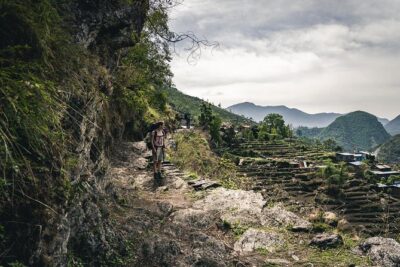
The third day takes you through rhododendron and pine forests, over meadows, across suspension bridges, and up steeper sections. Paungda Danda, a dramatic curved rock face, is one of the day’s memorable natural features.
This is a good example of why the circuit rewards people who enjoy changing scenery. The trail is not simply a steady march through one type of terrain. Forest, open meadow, steep hillside, river crossing, and exposed rock all arrive in the same day.
The suspension bridges add a little excitement, while the forest provides shade before the trail becomes more open and demanding. The itinerary does not state the exact overnight village for this day, so you should ask the operator for the final stop and estimated walking distance before departure.
Again, the day is described as about 12 hours. That is a serious length for a trek at increasing altitude. You should keep your day pack light, protect your water supply, and avoid treating the listed schedule as a guarantee of a fixed arrival time.
More walking in the hills of Kathmandu:
- Everest Base Camp Trek – 14 Days
★ 5.0 · 1,499 reviews - Everest Base Camp Trekking
★ 5.0 · 485 reviews - Nagarkot Sunrise View and Day Hiking from Kathmandu
★ 5.0 · 471 reviews - Everest Base Camp Trekking – 13 Day
★ 5.0 · 365 reviews
Day 4: Reaching Manang and the Annapurna views
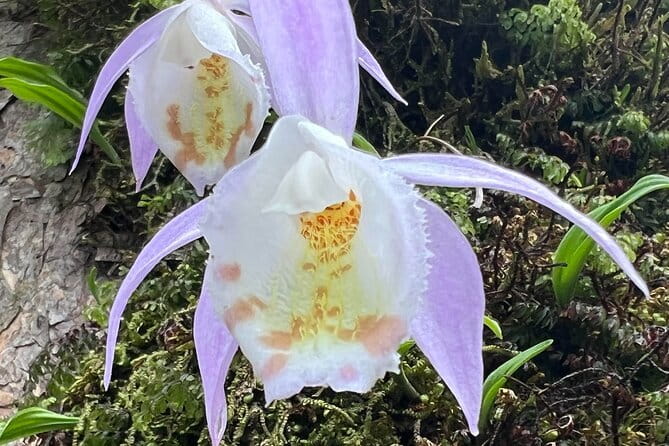
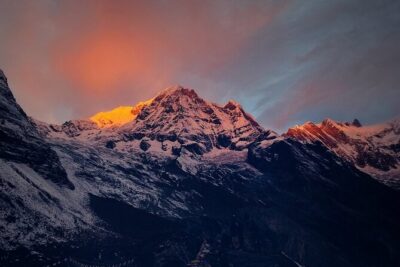
Day four leads toward Manang, one of the major highlights of the route. The trail begins on flatter ground before making a gradual ascent to Humde. Along the way, you can see Annapurna II, Annapurna III, Annapurna I, and other large Himalayan peaks.
Manang is more than a sleeping stop. It is the place where the itinerary gives your body time to catch up with the altitude. The village also provides one of the strongest cultural sections of the trip, with local homes, monasteries, and mountain community life.
The route toward Manang may feel easier at first because of the flatter terrain, but the gradual rise still counts. At this point, do not race ahead because you feel good in the morning. High-altitude problems often appear after several hours, and a steady pace is safer and more pleasant.
The guide is especially important here. The company places strong emphasis on safety and comfort, and the published feedback repeatedly praises the guide and porter support. Hari, the company founder, is also mentioned by name in the material as a well-known figure within the organization, though your own guide may be someone else.
Day 5: A useful acclimatization day in Manang
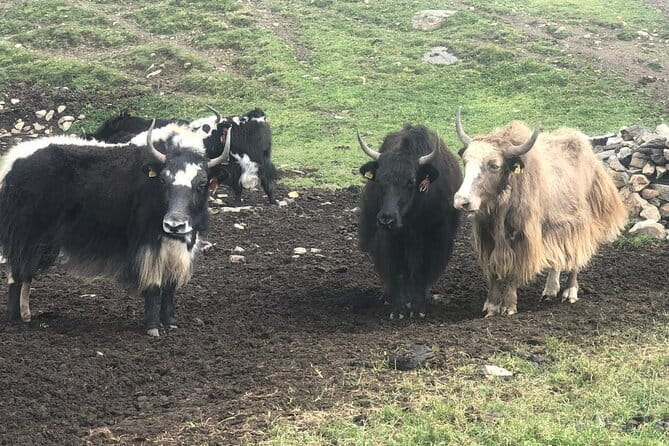
This is one of the smartest parts of the schedule. You spend a full day in Manang rather than gaining height every day without pause.
You can explore Manang village, walk toward the glacial lakes at the base of Gangapurna, or visit local monasteries. The choice gives you some control over the day. If you feel tired, rest. If you feel strong, a moderate walk can help your body adjust.
Do not treat this as a wasted day. At high altitude, a rest day can make the difference between enjoying the pass and merely enduring it. It also gives you a chance to organize warm layers, charge devices if possible, refill water, and ask the guide about the next two days.
The itinerary describes Manang as a place with local culture and mountain scenery, not simply a convenient stop. That balance is important. You get time for a human-scale encounter with the region before the route becomes more exposed and physically demanding.
Day 6: Manang to Yak Kharka
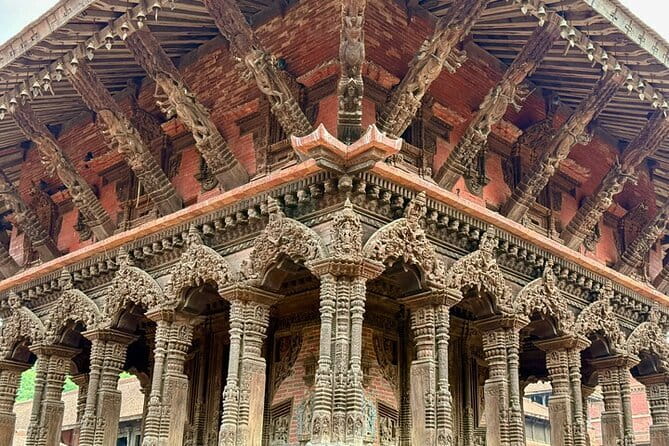
Leaving Manang, you climb gradually toward Yak Kharka. The path passes local settlements, cultivated farmland, and suspension bridges, with a steady but moderate ascent.
This is a quieter stage than the major pass day, but it plays a key role in the route. You continue gaining altitude without making one huge jump. The farmland and settlements also show how cultivation continues in a high mountain environment.
The word moderate should not fool you. The air is thinner, and even a gentle slope can feel demanding. Walk slowly, drink regularly, and tell your guide if you develop a headache, nausea, unusual fatigue, or other signs that you are not adjusting well.
Yak Kharka is a practical overnight point before Thorong Phedi. Accommodation is in a tea house, with twin sharing included in the package. Tea house facilities are basic by city standards, so you should value warmth, food, and a clean place to sleep more than hotel-style comforts.
Day 7: Yak Kharka to Thorong Phedi
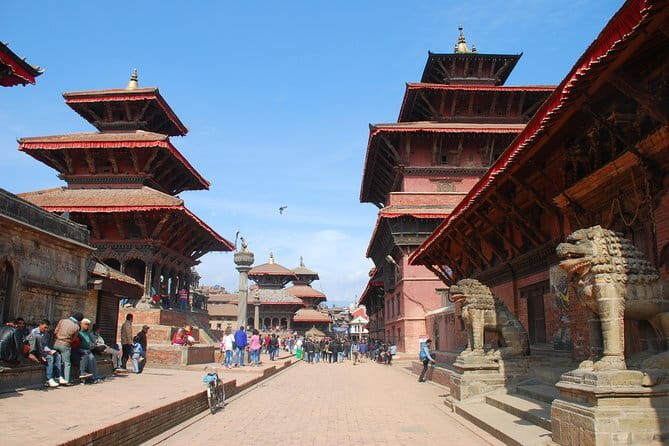
The walk to Thorong Phedi takes about four to five hours, with a gradual incline. The shorter walking time does not mean the day is easy. You are now preparing for the highest section of the circuit, and altitude slows nearly everyone down.
The views become a major part of the reward. The schedule allows time for breaks, hydration, and simply looking around. That is good advice here, since pushing too hard before the pass can leave you drained when you need your best effort.
Thorong Phedi is the staging point for the early crossing of Thorong La. The itinerary lists admission to the pass as included. You should use this evening to prepare clothing, water, snacks, headlamp, and any personal medication you need for a pre-dawn start.
A guide’s judgment is valuable on this night. Conditions, pace, and individual health all affect the crossing. The company also lists a first-aid medical kit and emergency evacuation support through travel insurance, which provides a useful safety framework, though you remain responsible for having valid insurance.
Day 8: Thorong La and the descent to Muktinath
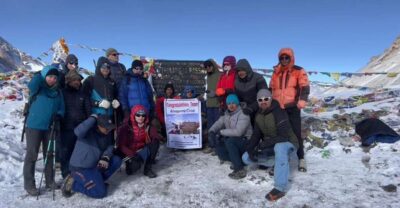
This is the trip’s defining day. The start is around 3 am, allowing you to reach Thorong La at 5,416 meters before descending toward Muktinath.
The climb is slow and demanding. The high point offers wide Himalayan views, but you should not expect the summit to feel effortless. Cold, darkness, thin air, and the early start make this a day when preparation matters as much as fitness.
Once you cross the pass, the route descends to Muktinath. That change in elevation can feel like a relief, but the descent is still hard on knees and legs. Muktinath Temple adds religious and cultural meaning to the day, making the finish more than a simple endpoint.
This is where the itinerary’s short length becomes most noticeable. The circuit is being completed in nine days, so the schedule has little spare time if weather, road delays, or altitude problems interfere. I would choose this trip only if you accept that the pass day may be physically intense and the timing cannot be treated casually.
Day 9: Muktinath to Pokhara through Mustang
After the pass and Muktinath, you have a well-earned rest before traveling to Pokhara by jeep or bus. The road descends through the lower Mustang Valley, offering a final change in scenery.
This is another long day, listed at about 12 hours. Road travel in the mountains can be tiring, and a shared vehicle may not offer the same comfort or speed as private transport. Still, the route lets you see more of the region without adding several walking days.
Pokhara is the finishing point, not Kathmandu. The tour does not include accommodation there, so arrange your own room before arrival. The city is a natural place to rest after the trek, but the package ends once you reach Pokhara.
Guides, group size, and porter choices
The tour is private, meaning only your group participates. That can make the schedule feel more personal and gives you a better chance to discuss pace, rest, and health with the guide.
For groups of eight or more, an assistant guide is included, with food, lodging, salary, and insurance covered. That is a useful arrangement for larger private groups, especially on the long pass day.
Porters are not included. The listed cost is $240 per porter, with one porter available for every two trekkers. If you hire one, pack carefully and keep essential items such as documents, medication, water, and warm layers with you rather than relying on checked or carried luggage.
The strongest praise attached to this operator concerns organization, care, and the support of guides and porters. That does not remove the need to ask practical questions before departure. Confirm your guide’s name, exact daily walking times, luggage handling, and what happens if you cannot continue over the pass.
Who will enjoy this trek most
This route suits you if you want a classic Himalayan crossing with cultural stops, mountain views, and a clear support structure. You should have moderate physical fitness and be comfortable with long days, basic tea house lodging, shared road transport, and a 3 am start.
It is a good match for someone who wants more than scenery. The villages of Bagarchhap, Danakyu, Manang, and Muktinath give the route a strong human and spiritual side. The Annapurna views are excellent, but the local communities and changing ways of life make the journey more memorable.
It is less suitable if you want a relaxed holiday, private vehicles throughout, hotel comforts, or a flexible schedule with several spare days. You should also think carefully about the compressed nine-day format if you have no previous high-altitude trekking experience.
Should you book the Annapurna Circuit Trek?
I would book this tour if you want a guided, well-organized route and value having permits, meals, tea house lodging, and transport handled in one package. The Manang acclimatization day, private group format, and strong praise for staff support add real value.
I would pause before booking if you dislike early starts, long vehicle rides, or strenuous altitude days. Ask Recreation Holidays for the exact overnight stop on day three, confirm porter arrangements, and buy proper travel and medical insurance.
For the right person, $880 is a sensible price for a demanding but rewarding crossing from Kathmandu to Pokhara. You get mountain scenery, village life, a major Himalayan pass, and a clear support system, but you still need to bring fitness, patience, and respect for the altitude.
FAQ
What is included in the $880 tour price?
The price includes eight nights of twin-sharing tea house accommodation, a licensed English-speaking guide, trekking permits, a first-aid kit, local transport from Kathmandu to Dharapani and from Muktinath to Pokhara, all listed fees and taxes, eight breakfasts, eight dinners, and nine lunches.
Is porter service included?
No. Porter service is optional and costs $240 per porter. The listed arrangement is one porter for every two trekkers.
Where does the trek start and finish?
The experience begins with pickup in Kathmandu, with the stated meeting time at 6:15 am. It finishes in Pokhara after the journey from Muktinath.
How high is Thorong La Pass?
Thorong La Pass reaches 5,416 meters. The crossing begins around 3 am on day eight.
Is there an acclimatization day?
Yes. Day five is reserved for acclimatization in Manang. You can explore the village, walk toward Gangapurna’s glacial lakes, or visit monasteries.
What level of fitness is needed?
The tour states that you should have a moderate physical fitness level. The itinerary includes several days listed at about 12 hours, a high-altitude pass crossing, and long road transfers.
New in the Kathmandu listings
- Traditional Momo Making Class★ 5.0 · 10 reviews
- Kathmandu: Ancient City Kirtipur & Pharping Monastery Tour★ 5.0 · 2 reviews
- Kathmandu to Pokhara Premium sofa bus ticket★ 4.0 · 17 reviews
- Women Empowerment Project(Nepali cooking class & jewelry workshop★ 5.0 · 15 reviews
- Yoga Experience Day Trip with Private Transfer From Kathmandu★ 4.0 · 2 reviews
- 7-Day Langtang Valley Trek from Kathmandu★ 5.0 · 1 review
- Kathmandu 2 Nights 3 Days Chitwan Jungle Safari Tour★ 5.0 · 9 reviews
- Wildlife Adventure in Chitwan Nepal★ 4.0 · 4 reviews
Annapurna Circuit Treks, compared.
15-Day Private Annapurna Circuit Trek from Kathmandu
Read our review →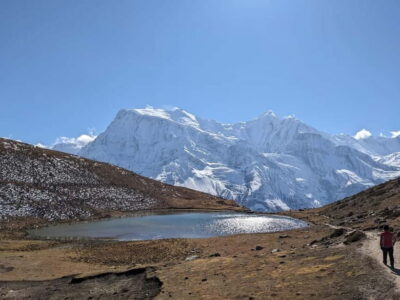
Browse the lists this tour appears in