
REVIEW · COOKING CLASSES
Cook and Eat: Cooking Class in Kathmandu near Thamel
A good Kathmandu meal starts with your hands. This three-hour class near Thamel combines a local market visit, practical cooking, and a sit-down meal, so you learn where the ingredients come from and what to do with them. I like the chance to choose three dishes, and I like that ingredients, equipment, instruction, and the food you prepare are included in the $24 price. The main consideration is that beverages beyond the tea or coffee provided may cost extra.
The class takes place at Shepherd Holidays on Yapikhya Marg, with the activity returning to the same point. Chef Vikram and Kamal are named in one account of the class, and the cooking guidance is delivered in clear English. A group can include up to 15 people, though a smaller group may give you more time at the cutting board.
In This Review
- What makes this Kathmandu cooking class worth your time
- Three hours of food, stories, and practical cooking
- Choosing your three dishes
- The local market visit comes first
- From cutting board to cooking pot
- Eating the food you prepared
- Is $24 good value near Thamel?
- Who should book this experience?
- Booking, timing, and cancellation advice
- My verdict on this Kathmandu cooking class
- FAQ
- How long does the Kathmandu cooking class last?
- Where does the class begin and end?
- What is included in the $24 price?
- Which dishes can I cook?
- Is transportation included?
- Can I cancel for a full refund?
What makes this Kathmandu cooking class worth your time
- Choose three Nepali dishes: Build your own menu from the available choices instead of following one fixed recipe.
- Shop with a guide: Visit a local market before cooking and see the ingredients in the setting where people buy them.
- Cook in a professional kitchen: The class uses a clean cooking space with a chef and helper on hand.
- Eat what you make: Your meal is prepared and served during the class, not sent away as a demonstration dish.
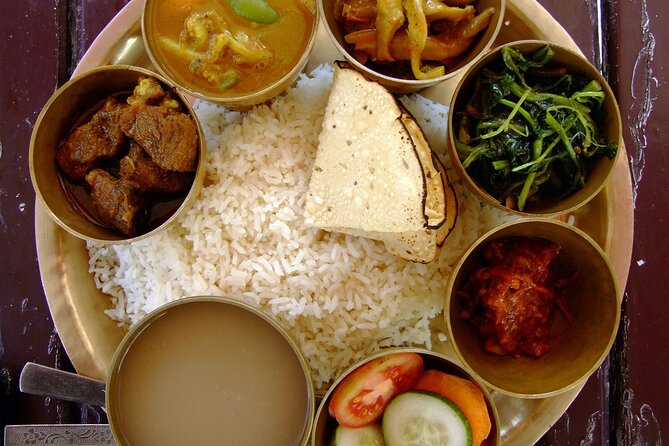
- Learn dishes you can repeat: Momo, thukpa, dal bhat, and yomari have all been prepared in the class.
- Stay close to Thamel: The meeting point is on Yapikhya Marg, and the class ends where it begins.
Three hours of food, stories, and practical cooking
This is not a long culinary course. At about three hours, it fits neatly into a Kathmandu morning or afternoon, leaving room for temples, shopping, or an evening meal. The format is simple: arrive, choose three dishes, shop for ingredients, prepare them, cook, eat, and finish with tea or coffee.
That straightforward plan is part of the appeal. You are not asked to sit through a lengthy lecture before touching the food. The class gives you a reason to handle the ingredients and ask questions as you work. For me, that makes the experience more useful than a cooking demonstration where a chef does everything while you watch.
The class also offers a small window into Nepali hospitality. The welcome includes tea or coffee, staff introductions, and time to talk before the work begins. The mood appears friendly and personal, though the maximum group size of 15 means the level of individual attention can vary.
If you want detailed instruction on every dish in the menu, three hours will feel short. You choose only three items, and the amount of time spent on each will depend on the dishes you select and the size of your group. If you want a first taste of Nepali cooking that you can perhaps repeat at home, the timing makes sense.
More Cooking Classes in Kathmandu
- Half day cooking class in Thamel kathmandu
★ 5.0 · 607 reviews - Kathmandu: Local Women-Led Nepali Cooking & Momo Class
★ 4.9 · 360 reviews - Kathmandu: Local Lead Nepali Cooking & Momo-Making Class
★ 5.0 · 212 reviews
Choosing your three dishes
Your first real decision is the menu. You choose any three cuisines, although the wording appears to mean three dishes from the available selection. The exact menu should be confirmed at booking or on arrival, since the supplied information does not list every option.
Known examples include momos, thukpa, dal bhat, and yomari. These choices give you a useful spread of Nepali food styles:
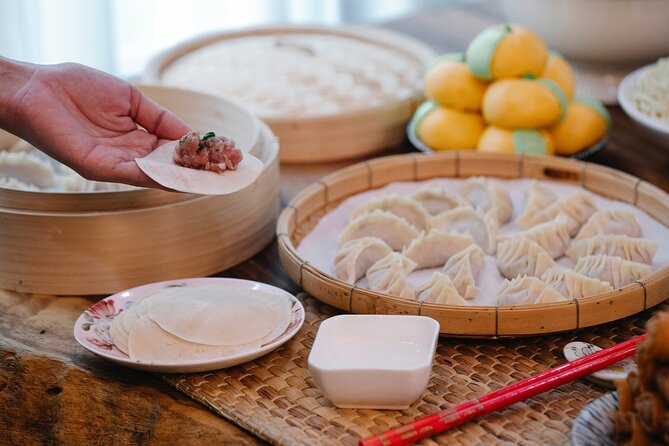
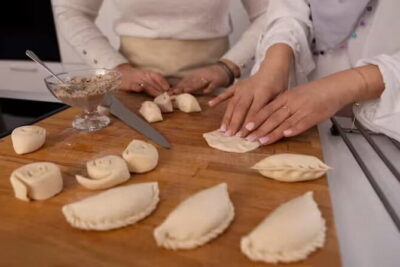
- Momos are filled dumplings and a natural choice if you want a hands-on dish that rewards careful folding.
- Thukpa is a noodle soup, giving you experience with a warmer, broth-based preparation.
- Dal bhat is the familiar lentil, rice, and accompaniment combination associated with everyday Nepali meals.
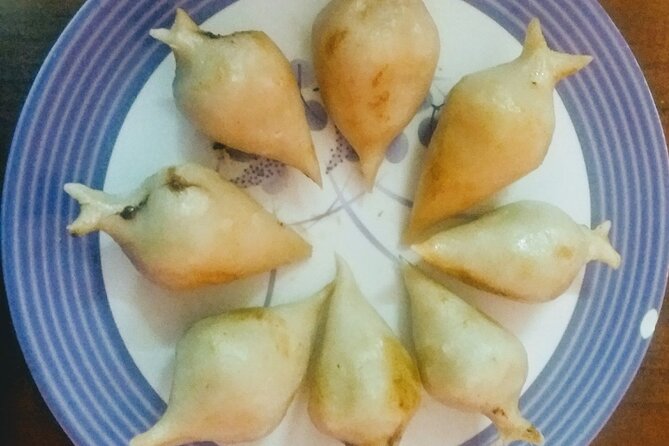
- Yomari is a traditional sweet dumpling, a good pick if you want something different from a savory menu.
One participant selected thukpa, dal bhat, and yomari, which creates a full meal with soup, a staple plate, and a sweet finish. Another focused on momos and came away confident enough to try making them at home. That is useful guidance: if you want the most tactile cooking lesson, momos may be your best choice.
You should choose dishes with different techniques if the class allows it. A dumpling, soup, and rice or lentil dish will teach you more than three items that all use the same preparation method. Still, the final choice depends on the current menu and available ingredients.
The class is also a good place to ask why a dish is eaten, not just how it is made. Food carries family habits, regional differences, and festival traditions. The available information promises conversation and local stories, but not a formal food history lecture, so take the lead with your questions.
The local market visit comes first
Before chopping begins, a guide takes you to a local market for ingredients. This is one of the class’s best features because it connects the recipe to ordinary Kathmandu life. You see the raw materials before they are washed, cut, seasoned, and transformed in the kitchen.
The market visit is not described as a separate sightseeing tour, and it should not be treated that way. Its purpose is practical. You are gathering what the class needs, learning what the ingredients look like, and getting a short introduction to local shopping.
That practical focus suits this experience. You do not need a long list of market stalls or a lecture on every spice. You need to understand what is going into your food. If you are curious, ask about the ingredients you do not recognize and how they are used at home.
The market stop may also affect the pace. Shopping with a group takes time, and the full class lasts only about three hours. The benefit is direct contact with the food supply. The tradeoff is that the cooking portion cannot stretch endlessly.
Wear comfortable clothes and shoes you do not mind using for a food activity. The supplied details do not specify a dress code or special equipment for the market, so keep it simple and practical.
From cutting board to cooking pot
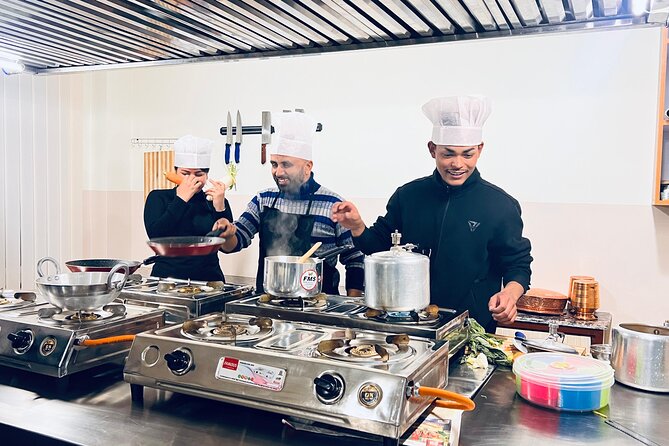
After returning from the market, you begin cutting and preparing the ingredients. This is where the experience moves from cultural introduction to real participation. The chef and helper provide the tools and ingredients, so you do not need to bring cooking equipment.
One account describes a clean kitchen with a professional chef, an important detail if you care about a comfortable working space. You can expect guidance during preparation and cooking, rather than being left to guess your way through the recipes.
The class is designed to let you choose how active you want to be. You can take a hands-on role or allow the chef to handle more of the work. I recommend doing as much as you comfortably can. Stirring a pot is easy, but shaping momos, handling unfamiliar ingredients, and following the order of preparation are the parts most likely to help you cook the dish later.
Clear English instruction is another practical strength. The chef was praised for explaining the process well, and Chef Vikram and Kamal are named in one account. Staff names can vary by session, but the important point is that the class is set up for direct communication with international visitors.
Do not be shy about asking for repetition. Cooking instructions often move quickly, especially when several dishes are underway. Ask about measurements, cooking time, heat level, and what the finished texture should be. Those details matter more once you try the recipe in your own kitchen.
A group of three can feel very different from a full group of 15. With fewer people, you may have more chances to cut, fold, stir, and ask questions. With a larger group, you may need to speak up and share tasks. The class accepts group discounts, so a family or group of friends may find the price especially appealing, but individual working time is worth considering.
A completely different way to spend the day:
- Everest Base Camp Trek – 14 Days
★ 5.0 · 1,499 reviews - Private Kathmandu Sightseeing Tour | UNESCO World Heritage sites
★ 5.0 · 756 reviews - Everest Base Camp Helicopter Tour landing at Everest View Hotel
★ 5.0 · 668 reviews - Everest Base Camp Trekking
★ 5.0 · 485 reviews
Eating the food you prepared
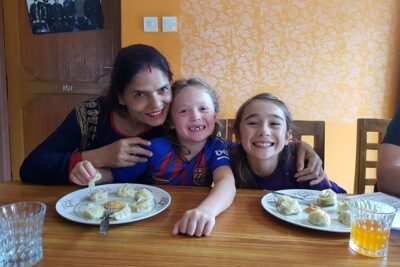
The most satisfying part comes after the cooking. You serve and eat the dishes prepared during the class. This turns the lesson into a meal, not just a take-home recipe card.
Eating together also gives you time to compare the results. You can see how the flavors work as a complete Nepali meal and ask final questions while the cooking is fresh in your mind. If a dish did not turn out exactly as expected, the chef can explain what might have changed the result.
The class includes the food and drink prepared during the session. Tea or coffee is served at the welcome and again before departure. The separate note that beverages are not included appears to refer to drinks beyond those provided as part of the class, so you should not assume additional beverages are covered.
One helpful detail from the experience is that staff assisted with a return to a hotel afterward. A private pickup and drop-off service is available for an extra charge, but it is not included in the $24 price. The stated meeting point and end point are both Shepherd Holidays on Yapikhya Marg, so you should arrange your own way there unless you pay for added transport.
Is $24 good value near Thamel?
At $24 per person, the class offers solid value if you want more than a meal. The price covers the ingredients, cooking equipment, instructor, helper, and the food you prepare. It also includes the guided market visit and about three hours of activity.
Compare that with paying for a single restaurant meal. A restaurant gives you convenience, but this class adds instruction, ingredient shopping, and the chance to make the dishes yourself. If you cook even one of the recipes again at home, the value continues after your Kathmandu visit.
The price is less attractive if you mainly want to eat and do not enjoy preparation. You will spend time cutting, cooking, and following directions. This is a working meal, not a restaurant tasting menu.
Group discounts may reduce the cost for several people booking together. Ask for the current group rate before booking, since the exact discount is not provided. Also budget for personal expenses and any extra drinks or private transport.
Who should book this experience?
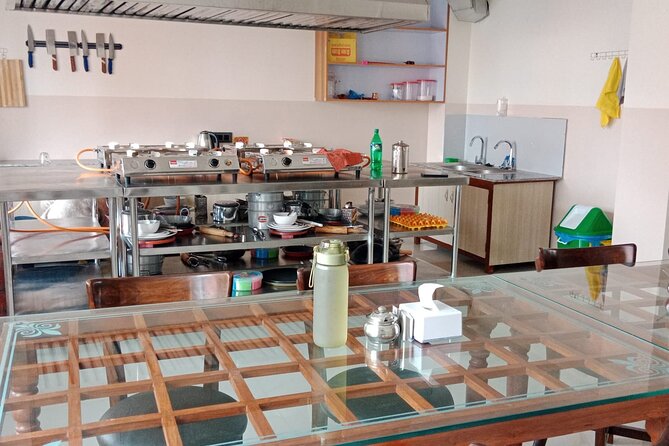
I would choose this class if you are staying near Thamel and want a calm, useful activity between sightseeing plans. It suits first-time visitors to Nepali food, home cooks who want new recipes, and people who prefer meeting local people through an everyday activity.
It works well for couples, friends, and families, provided everyone is comfortable sharing a kitchen. The maximum group size is 15, so families may appreciate the group discount, while solo participants may prefer the possibility of a smaller session.
You should think twice if you need a highly specialized cooking course, a fixed menu, or guaranteed one-to-one instruction. The class gives you a broad introduction, not a professional certificate or an advanced chef workshop.
It is also best for people who want to eat the food they prepare. If you have strict dietary needs, confirm the available dishes and ingredients before booking. The supplied information does not explain vegetarian, vegan, allergy, or other dietary arrangements.
Booking, timing, and cancellation advice
Confirmation is provided at the time of booking. The class starts and ends at Shepherd Holidays, Yapikhya Marg, Kathmandu 44600, Nepal. Private pickup and drop-off can be arranged for an additional fee, but standard transport is not part of the experience.
You can cancel for a full refund up to 24 hours before the local start time. Changes made inside that 24-hour window are not accepted, and late cancellations are not refunded. The activity also requires good weather. If poor weather causes cancellation, you can choose another date or receive a full refund.
Because the class includes a market visit, arrive ready to begin at the stated meeting time. A late arrival could affect your share of the shopping and preparation, even though no specific late-arrival policy is provided.
My verdict on this Kathmandu cooking class
I would book this for a practical introduction to Nepali food, especially if momos, dal bhat, thukpa, or yomari are on your must-try list. The combination of a market visit, a clean kitchen, clear English instruction, and a meal you prepare yourself gives the $24 price real weight.
The two things I value most are the freedom to choose three dishes and the chance to cook rather than simply watch. Keep your expectations realistic: the group may be as large as 15, extra drinks and private transport cost more, and the menu is not fully detailed in advance.
Choose a smaller session if possible, take an active role at the cutting board, and ask the chef to explain techniques you can repeat at home. Do that, and this class becomes more than a meal in Kathmandu. It gives you a useful food memory and a few recipes with a better chance of surviving your return home.
FAQ
How long does the Kathmandu cooking class last?
The activity lasts approximately three hours. It includes the welcome, menu selection, market visit, food preparation, cooking, eating, and final tea or coffee.
Where does the class begin and end?
The class begins at Shepherd Holidays, Yapikhya Marg, Kathmandu 44600, Nepal. It ends back at the same meeting point.
What is included in the $24 price?
The price includes ingredients, all equipment needed to prepare the food, an instructor and helper, and the food and drink prepared during the class.
Which dishes can I cook?
You can choose three items from the available menu. Dishes prepared in the class have included momos, thukpa, dal bhat, and yomari, but the full current menu is not provided.
Is transportation included?
Standard transportation is not included. Private pickup and drop-off are available for an extra charge.
Can I cancel for a full refund?
Yes. You can cancel at least 24 hours before the experience start time for a full refund. Cancellations or changes made less than 24 hours in advance are not accepted for a refund. If poor weather cancels the activity, you can receive a full refund or select another date.
More Eating and Drinking in Kathmandu
- Kathmandu Food and Drink Walking Tour
★ 5.0 · 266 reviews - Kathmandu: Food and Drink Walking Tour
★ 4.9 · 119 reviews - Walking Street Food Tour in Kathmandu
★ 5.0 · 111 reviews - Secret Food Tour – Food Bites and Sights Kathmandu 14+ Testings
★ 5.0 · 82 reviews
New in the Kathmandu listings
- Traditional Momo Making Class★ 5.0 · 10 reviews
- Kathmandu: Ancient City Kirtipur & Pharping Monastery Tour★ 5.0 · 2 reviews
- Kathmandu to Pokhara Premium sofa bus ticket★ 4.0 · 17 reviews
- Women Empowerment Project(Nepali cooking class & jewelry workshop★ 5.0 · 15 reviews
- 7-Day Langtang Valley Trek from Kathmandu★ 5.0 · 1 review
- Kathmandu 2 Nights 3 Days Chitwan Jungle Safari Tour★ 5.0 · 9 reviews
- Yoga Experience Day Trip with Private Transfer From Kathmandu★ 4.0 · 2 reviews
- Wildlife Adventure in Chitwan Nepal★ 4.0 · 4 reviews
Cooking Classes, compared.
Nepalese Momos or Dal Bhat Cooking Class (Cook with Delight)
Read our review →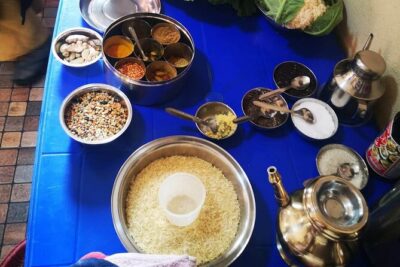
The best Private Nepali Cooking Class in Kathmandu
Read our review →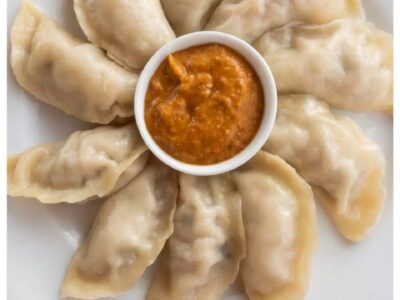
Nepalese Kitchen in Pokhara: Momos or Dal Bhat Cooking Class
Read our review →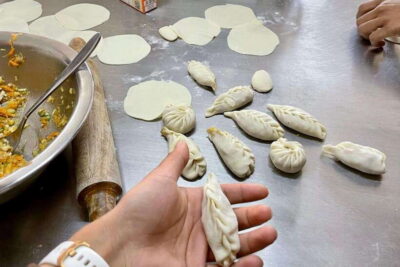
Browse the lists this tour appears in