
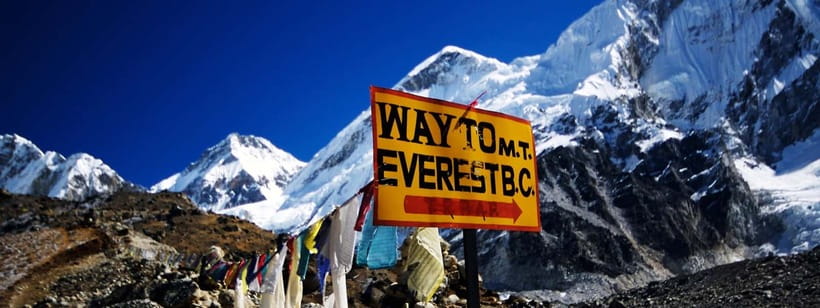
REVIEW · EVEREST BASE CAMP TREKS
Everest Base Camp Short Trek- 12 Days
The Himalayas demand more than sightseeing. This 12-day Everest Base Camp trek takes you from Lukla through the Dudh Koshi valley to Kala Patthar, with stops at Namche, Tengboche, Dingboche, Lobuche, Gorak Shep, and Everest Base Camp. I like the way the trip combines major Himalayan landmarks with a guide, porter support, meals, permits, flights, and teahouse stays already arranged.
I especially like the steady high-altitude route and the practical support included in the $1,599 price. The daily walking time is usually five to six hours, and the itinerary gives you a clear path through the Khumbu region. The main drawback is the demanding schedule: you climb from about 2,800 meters at Lukla to more than 5,400 meters, so good fitness and some mountain experience are important.
This is not a technical mountaineering trip, but it is still a serious trek. You need to be ready for long uphill days, basic accommodation, cold conditions, and altitude. In return, you get a direct route to the world’s best-known base camp, with an experienced English-speaking guide and one porter for every two trekkers.
In This Review
- Five things to know before you book
- Should you book the 12-day Everest Base Camp trek?
- FAQ
- How long is the Everest Base Camp Short Trek?
- What is included in the $1,599 price?
- Is the flight from Kathmandu to Lukla included?
- How many hours do I walk each day?
- Is a guide provided?
- Is porter service included?
- What personal costs are not included?
Five things to know before you book
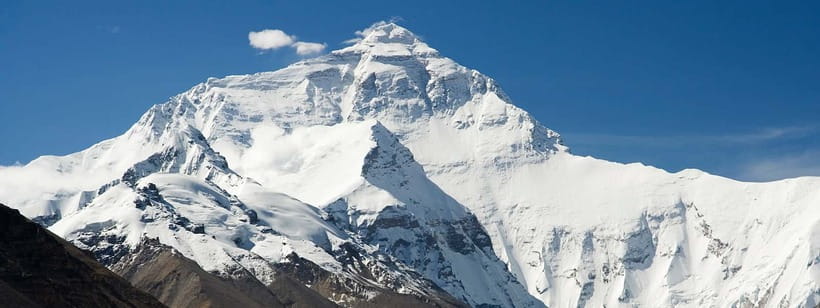
- Lukla is the dramatic starting point: Your Himalayan walk begins after a roughly 30-minute domestic flight from Kathmandu to Lukla.
- The route reaches extreme altitude: Kala Patthar is listed at 5,644 meters, while Everest Base Camp is listed at about 5,364 meters. The published altitude figures vary slightly, but both points are very high.
- Namche is your first major mountain stop: The trek from Phakding to Namche includes about 1,000 meters of ascent and is one of the first genuinely hard days.
- Your $1,599 covers a lot: Flights, meals, teahouses, permits, guide services, porter support, Kathmandu hotels, and equipment such as a sleeping bag and down jacket are included.
- The support gets strong praise: Sabita and Sujan are available throughout the trip, and one solo woman described feeling safe and well cared for from airport pickup through the domestic flights.
Your first day begins in Kathmandu at about 1,400 meters. A representative from Female Guide Holiday PVT. LTD. meets you at the international airport, takes you to the hotel, and leaves the rest of the day open.
That free time matters. You can recover from your international flight, sort your cash, check your personal medication, and make sure your comfortable clothes and passport are ready. The first evening includes a welcome dinner, which gives the trip a proper start without forcing you into a full sightseeing program.
Two nights of deluxe hotel accommodation in Kathmandu are included, with breakfast. The itinerary does not promise an elaborate city tour, though entrance fees for sightseeing or monuments listed in the program are covered. Tell the company where you are staying in Kathmandu so the pickup can be arranged properly.
The second day starts early with the flight to Lukla. Domestic mountain flights depend on the itinerary and operating conditions, and the short flight puts you directly at 2,860 meters. From there, you begin walking rather than spending another day in the city.
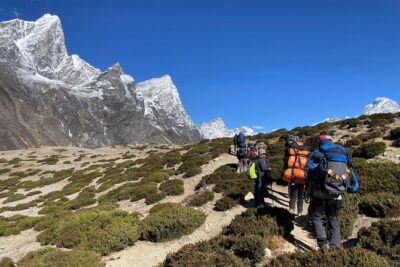
The first walk heads from Lukla toward upper Phakding, at about 2,610 meters. It takes roughly two to three hours, with a descent of about 200 meters and a smaller climb of around 50 meters.
This is a useful opening day because it is shorter than most of the days ahead. You pass farmland and Sherpa villages including Chheplung, Ghat, Sano Gumela, and Thulo Gumela. Shrines and monasteries at Drangdrak Gompa and Pema Choling Gompa add a cultural layer to the walk, rather than making it only a march toward the big mountain views.
You may also see Kumbila and Kusum Kanguru in the distance. Kumbila is regarded as a sacred mountain, while Kusum Kanguru includes one of the region’s unclimbed summits. The route introduces you to the valley at a manageable pace, though the combination of flight, altitude, and a first night in a teahouse can still feel tiring.
Breakfast, lunch, and dinner are included from this point onward. Teahouses are the standard accommodation, so you should expect a functional mountain stay rather than hotel comfort.
Day three is one of the key tests of the trip. The walk to Namche takes five to six hours and includes about 1,000 meters of ascent, with roughly 100 meters of descent along the way.
Namche Bazaar is at 3,440 meters and is the largest named stop on this route. Reaching it after the Phakding section gives you a clear sense that the trek has become serious. The path follows the Dudh Koshi valley, and the steady gain in altitude begins to affect your pace.
I would treat this as a day for patience, not speed. Your guide can help set a sensible rhythm, and the porter arrangement means you do not need to carry the full load yourself. One porter is assigned for every two trekkers, while the company covers staff salaries, insurance, equipment, food, accommodation, and domestic airfare.
The itinerary does not list a separate acclimatization day in Namche. That is worth noticing. The schedule continues upward on day four, so anyone sensitive to altitude should discuss the pace with the guide and pay close attention to personal medication and warning signs.
The next walk takes about four hours to Tengboche, at 3,860 meters. The figures show a descent of roughly 350 meters followed by a climb of about 750 meters, so this is not simply an easy continuation.
Tengboche is known for its monastery setting and its mountain surroundings. The stop gives you a chance to experience one of the best-known cultural points on the route before the trek moves into harsher, higher country.
The route then continues to Dingboche on day five. This takes three to five hours, with about 580 meters of ascent and 70 meters of descent. Dingboche sits at approximately 4,410 meters, and the altitude becomes much more noticeable here.
Shorter walking time does not mean an easy day. At this elevation, you may move slowly, take more breaks, and find that ordinary uphill sections require real effort. The trek’s average of five to six walking hours is only a rough guide, since altitude and terrain affect how long each section feels.
Day six takes you from Dingboche to Lobuche at about 4,940 meters. The listed walking time is four to five hours, with around 700 meters of ascent.
This is a major altitude gain in a short number of days. By Lobuche, the priority is no longer just reaching the next village. It is conserving energy for the push to Gorak Shep and Everest Base Camp.
Your meals remain included, as do the teahouse nights. The company also provides a down jacket and sleeping bag for the trek, although both must be returned after the trip. You should still bring comfortable clothing suitable for cold conditions, along with any personal medication.
Bottled or boiled water is not included, nor are showers, battery charging, internet, laundry, phone calls, or bar bills. These costs can add up in the mountains, so carry cash and allow room in your budget for personal expenses.
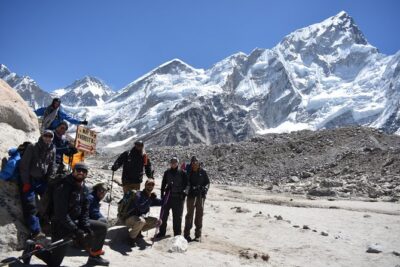
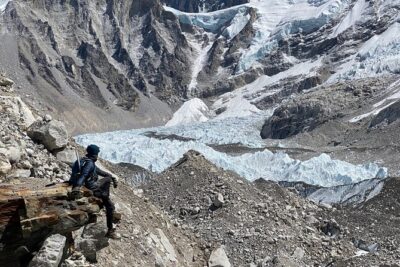
Day seven is the trip’s main objective day. You walk to Gorak Shep at approximately 5,164 meters, continue toward Everest Base Camp, and return to Gorak Shep for the night.
The published details give Everest Base Camp an altitude of about 5,364 meters, while the general trip description places it at about 5,450 meters. That difference is not unusual in route descriptions, but the practical point is simple: you will be walking above 5,000 meters, where every climb feels harder.
This is a long and demanding day even though an exact duration is not provided. You should expect a slow pace, cold conditions, and limited comfort at the highest overnight stop. The reward is reaching the famous base camp area and seeing the route used by major Everest expeditions, though the exact views depend on weather and visibility.
This is also where the guide matters most. The tour includes an experienced, English-speaking, government-licensed trek leader and an assistant trek leader. A private group is available, which can offer more flexibility than a larger fixed group, though the supplied details do not specify the private-group surcharge.
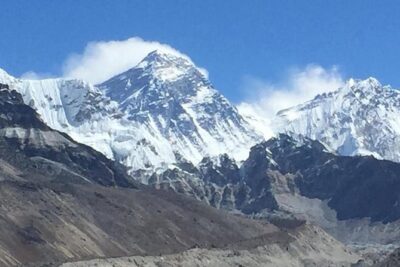
Day eight begins with the climb to Kala Patthar, listed at 5,644 meters, followed by a return trek to Pheriche at about 4,371 meters.
For many people, Kala Patthar is the visual high point of the route. The summit gives you a mountain viewpoint above the Everest Base Camp area, while the descent to Pheriche brings welcome relief from the extreme altitude. You gain altitude early, then spend the rest of the day moving lower.
The route description uses the phrase return trek rather than giving a walking time. That means you should keep the day flexible and trust the guide’s pacing. The descent is useful, but it can still be tiring after the previous day’s long walk.
After Pheriche, the route heads back toward Namche Bazaar on day nine. The itinerary does not provide a precise duration or elevation breakdown for this section. Still, the general pattern is clear: you are now losing altitude, retracing part of the approach, and gradually getting closer to Lukla.
Day ten takes you from Namche back to Lukla. This is the final major walking section, and it gives you a chance to look at the same valley from a different direction. Downhill travel is easier for your lungs but can be hard on knees and tired legs.
Day eleven includes the flight back to Kathmandu, listed at about 30 minutes. Ground transportation in Kathmandu is arranged in a comfortable private vehicle according to the program, and the night includes hotel accommodation.
The plan includes breakfast, lunch, and dinner during the trek, plus a farewell dinner. International flights are not included, so you will arrange your own route to Nepal and home again. Day twelve is reserved for flying home or extending your holiday.
The itinerary is tight. If you arrive early, leave late, or return from the mountains early, extra Kathmandu nights are not included. The same applies if flight changes require an additional hotel stay.
At $1,599 per person, the price is not just for a guide and a route map. It includes airport pickup and drop-off, two nights of Kathmandu hotel accommodation with breakfast, teahouse accommodation, all three daily meals during the trek, domestic flights, permits, entrance fees listed in the program, and staff costs.
It also includes porter service at a ratio of one porter for two trekkers. That is an important practical benefit because carrying less makes the long uphill days more manageable. The down jacket, sleeping bag, T-shirt, and trekking map add useful value, though the jacket and sleeping bag must be returned.
You still need to pay for a Nepalese visa, international airfare, travel and rescue insurance, excess baggage, personal drinks, water, showers, internet, laundry, phone calls, charging, and extra porters. Rescue coverage deserves special attention. It is not included, so arrange suitable travel insurance before you set off.
The strongest value comes from the level of organization. Sabita and Sujan are available during the trip, and one solo woman described the daily communication and arrangements as reliable and reassuring. That kind of support is especially useful when the schedule includes airport transfers, domestic flights, remote teahouses, and high-altitude walking.
I would recommend this trek to a fit adult who wants a structured route and does not need technical climbing. Previous mountain trekking experience is a clear advantage, but technical skills are not required.
You should be comfortable walking five to six hours on many days and handling a rise from 2,800 meters to more than 5,400 meters. The trip is not suitable for pregnant women, people with back problems, or people with mobility impairments.
The private-group option may suit you if you want a more personal arrangement. The English-speaking guide, assistant guide, and porter system also make this a sensible choice for a first major Himalayan trek, especially if you prefer not to arrange each flight, permit, meal, and lodge yourself.
Bring your passport or another required ID, cash, personal medication, and comfortable clothes. Drones are not allowed, and the activity information also prohibits video recording, alcohol, and drugs.
Free cancellation is available up to 24 hours before the activity for a full refund, and you can reserve now and pay later. Those policies make planning easier, but they do not replace travel insurance for medical treatment, evacuation, or flight disruption.
Should you book the 12-day Everest Base Camp trek?
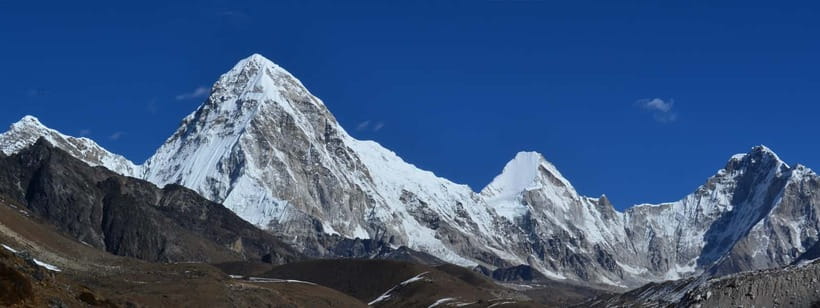
Book it if you want the main Everest route in a compact, organized package and you are ready for real altitude. The included domestic flights, meals, permits, guides, porters, equipment, and Kathmandu stays make the $1,599 price reasonable for the amount of coordination involved.
Think twice if you need a slower acclimatization schedule, dislike basic teahouse accommodation, or are not comfortable with a long high-altitude day to Everest Base Camp. Before paying, ask the company to confirm the current altitude figures, flight arrangements, extra-night costs, insurance requirements, and the exact plan for managing altitude concerns.
For a fit trekker who values reliable logistics, this is a strong route. The careful airport and hotel arrangements, regular contact from Sabita and Sujan, and positive experience of a solo woman are meaningful advantages. Just arrive prepared, carry cash for extras, and respect the mountain rather than treating the itinerary like a normal holiday timetable.
More Everest Base Camp treks:
- Everest Base Camp Trek – 14 Days
★ 5.0 · 1,499 reviews - Everest Base Camp Trekking
★ 5.0 · 485 reviews - Everest Base Camp Trekking – 13 Day
★ 5.0 · 365 reviews
FAQ
How long is the Everest Base Camp Short Trek?
The trek lasts 12 days, including arrival and departure days in Kathmandu, the flight to Lukla, the trek to Everest Base Camp and Kala Patthar, the return to Lukla, and the flight back to Kathmandu.
What is included in the $1,599 price?
The price includes airport transfers, two Kathmandu hotel nights with breakfast, teahouse accommodation, breakfast, lunch, and dinner during the trek, domestic flights, listed entrance fees, permits, guides, assistant guides, porter service, a down jacket, a sleeping bag, a T-shirt, and a trekking map.
More walking in the hills of Kathmandu:
- Nagarkot Sunrise View and Day Hiking from Kathmandu
★ 5.0 · 471 reviews - Annapurna Circuit Trek with Tilicho Lake
★ 5.0 · 368 reviews - Everest Base Camp Trek -14 Days
★ 5.0 · 321 reviews - Annapurna base camp trek 5 Days
★ 5.0 · 252 reviews
Is the flight from Kathmandu to Lukla included?
Yes. Domestic flights on a regular Twin Otter plane are included, both for the flight to Lukla and the return flight to Kathmandu.
How many hours do I walk each day?
The trek averages five to six hours of walking per day. Some sections are shorter, such as the two to three hours from Lukla to Phakding, while the Everest Base Camp day is longer and has no exact duration listed.
Is a guide provided?
Yes. The trip includes an experienced, English-speaking, government-licensed trek leader and an assistant trek leader. The listed language for the activity is English.
Is porter service included?
Yes. One porter is provided for every two trekkers. The company covers staff salary, insurance, equipment, domestic airfare, food, and accommodation.
What personal costs are not included?
You must pay for your Nepalese visa, international flights, travel and rescue insurance, excess baggage, extra Kathmandu nights caused by early arrival, late departure, or an early return, plus personal costs such as internet, phone calls, laundry, bar bills, battery charging, bottled or boiled water, showers, and extra porters.
New in the Kathmandu listings
- Traditional Momo Making Class★ 5.0 · 10 reviews
- Kathmandu: Ancient City Kirtipur & Pharping Monastery Tour★ 5.0 · 2 reviews
- Kathmandu to Pokhara Premium sofa bus ticket★ 4.0 · 17 reviews
- Women Empowerment Project(Nepali cooking class & jewelry workshop★ 5.0 · 15 reviews
- 7-Day Langtang Valley Trek from Kathmandu★ 5.0 · 1 review
- Kathmandu 2 Nights 3 Days Chitwan Jungle Safari Tour★ 5.0 · 9 reviews
- Yoga Experience Day Trip with Private Transfer From Kathmandu★ 4.0 · 2 reviews
- Wildlife Adventure in Chitwan Nepal★ 4.0 · 4 reviews
Everest Base Camp Treks, compared.
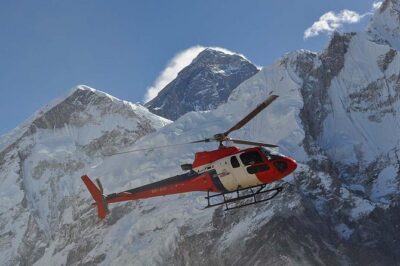
Everest Base Camp Trek with Helicopter Return from Gorakshep to Lukla
Read our review →Browse the lists this tour appears in