
REVIEW · EVEREST BASE CAMP TREKS
Everest Base Camp Trek 12 Days – Best Himalayan Adventure
The world’s best walking route comes with thin air. This 12-day private Everest Base Camp trek combines Sherpa villages, high mountain trails, tea-house lodging, domestic flights, and expert local support in one demanding but rewarding trip. You need at least two people to book, and groups can reach 10 or 15 depending on the tour details provided.
I like the private format, since your guide can focus on your group’s pace and comfort. I also like the strong local support, including an experienced Sherpa guide, first-aid supplies, staff insurance, trekking permits, and a porter arrangement for two hikers sharing one porter. The main drawback is the physical strain: you need moderate fitness, and the price and inclusions need careful checking because the information differs on meals and porter availability.
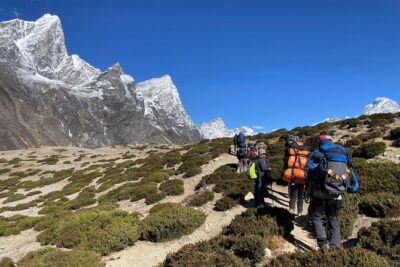
The route takes you from Kathmandu to Lukla, then through Namche Bazaar, Tengboche, Dingboche, and Gorak Shep before reaching Everest Base Camp and the Kala Patthar viewpoint area. You will sleep in tea houses, cross suspension bridges, walk beside glacial valleys, and see Everest, Lhotse, Nuptse, Ama Dablam, and Pumori.
In This Review
- Key points to know before booking
- Why this Everest trek is worth considering
- Kathmandu: preparation before the mountain flight
- Lukla: the dramatic start to the trek
- Namche Bazaar: the first major mountain village
- Tengboche: monasteries and wide mountain views
- Dingboche: acclimatization in the high valley
- Gorak Shep and the final approach to Base Camp
- Kala Patthar: the best view of the trip
- Tea houses, porters, meals, and the real cost
- Who should book this Himalayan adventure?
- Should you book the 12-day Everest Base Camp trek?
- FAQ
- How long is the Everest Base Camp trek?
- What is the minimum number of people required?
- How many people can join the tour?
- Is accommodation included?
- Are meals included?
- Are domestic flights included?
- What fitness level is needed?
Key points to know before booking
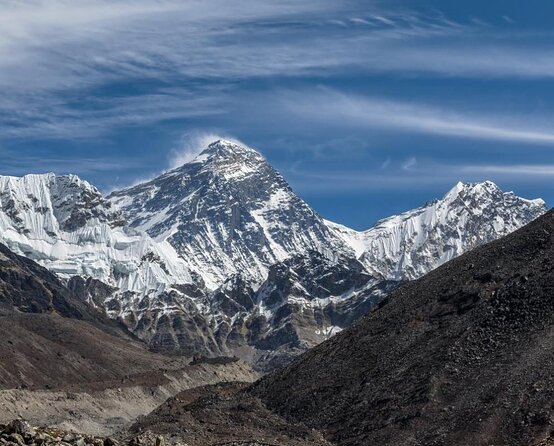
- Kala Patthar brings the big mountain payoff: The viewpoint is included in the route and offers some of the best views of Everest, Lhotse, Nuptse, Ama Dablam, and Pumori.
- Sherpa support is a major strength: Guides named in past trips include Shankar, Binod, Ramjee, Santosh, and Bi. The company also receives praise for Dipendra’s organization and communication.
- You fly to Lukla, but possibly from Ramechap: Domestic flight arrangements can change, so confirm your departure airport before the trek.
- Tea-house lodging keeps the trip practical: Twin-sharing accommodation is included for 11 nights, but this is mountain lodging, not a hotel holiday.
- Snow can affect the final approach: One recent group faced two days of snow near Lobuche and still reached Base Camp, but weather can change plans.
- Budget carefully: The listed price is $1,439 per person, but personal meals and expenses are listed as extra, while another description says meals are included.
Why this Everest trek is worth considering
Everest Base Camp is not simply a sightseeing stop. The appeal is the full route. You move through the Khumbu region on foot, with the mountains becoming larger and the villages more remote as you climb. The walking itself gives the trip its character.
I like that this trip includes more than transport and a guide. Your package covers the return domestic flights, trekking permits, staff insurance, medication and equipment, a first-aid kit, tea-house accommodation, and a sleeping bag and duffel bag supplied by Scenic Nepal Treks. Those details matter because a trek at altitude has many small costs and practical needs.
The private setup should also help if your group needs a slower pace or extra encouragement. The minimum booking requirement is two people, and the maximum is listed as 15, with another note saying the activity will have a maximum of 10. Ask the operator to confirm the actual group size for your departure.
The biggest question is fitness. The route reaches Everest Base Camp at 5,364 meters, where even a fit person may feel the altitude. The description includes acclimatization days, which is a good sign, but no guide can remove the effects of high elevation. You should be comfortable with several hours of uphill and downhill walking over rough mountain trails.
More Everest Base Camp treks:
- Everest Base Camp Trek – 14 Days
★ 5.0 · 1,499 reviews - Everest Base Camp Trekking
★ 5.0 · 485 reviews - Everest Base Camp Trekking – 13 Day
★ 5.0 · 365 reviews
Kathmandu: preparation before the mountain flight
The journey begins and ends at Scenic Nepal Treks and Expedition in Bhagwati Marg, Kathmandu. Kathmandu is the practical base for permits, equipment checks, guide introductions, and flight arrangements.
You will need to provide each participant’s passport name, number, expiry date, and country at booking. That is especially important for domestic flights and trekking permits. Bring your personal travel and trekking insurance documents too, since insurance is not included.
Kathmandu is also the time to check your bag. The recommended kit includes trekking boots with spare laces, warm hat, scarf, gloves, waterproof jacket, trousers, thermal underwear, fleece, quick-drying shirts, a down jacket rated to minus 10 degrees depending on season, sunglasses, sunblock, lip protection, a water bottle, torch, toiletries, and toilet paper.
The company provides a sleeping bag, silk liner, and duffel bag. You should still bring a daypack for water, snacks, warm layers, sunscreen, and personal items. Locks for bags and earplugs are sensible additions.
The supplied details say vegetarian meals can be arranged if requested at booking. They also say service animals are allowed, though the remote mountain route and tea-house accommodation may make this difficult in practice. Ask specific questions before committing.
Lukla: the dramatic start to the trek
The flight to Lukla is part of the adventure. The return domestic flights are included, but the departure may be from Ramechap Airport rather than Kathmandu. Confirm the airport, transfer arrangements, and flight timing before you arrive.
Lukla is where the walking begins. From here, the route follows Sherpa trails through mountain villages, forests, bridges, and river valleys. The first stage helps you settle into the walking rhythm before the high-altitude sections arrive.
The flight and road logistics can be affected by weather. That is not a reason to avoid the trip, but it is a reason to leave flexibility in your wider Nepal plans. Do not schedule an international flight immediately after the trek unless the operator confirms the return timing and you have a sensible buffer.
Namche Bazaar: the first major mountain village
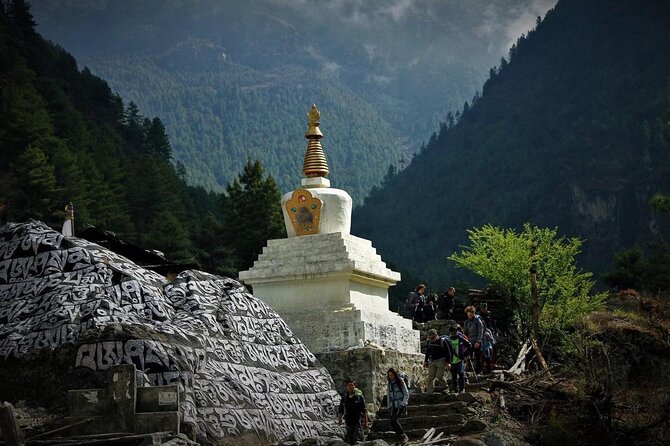
Namche Bazaar is one of the most important stops on the route. It is a high-altitude settlement where trekkers pause, acclimatize, and adjust to the thinner air.
The village gives you a first strong sense of life in the Khumbu. You will see Sherpa homes, tea houses, mountain shops, and trails linking communities across steep slopes. It is also the point where the journey begins to feel less like a hike and more like a serious Himalayan trek.
The acclimatization time here is valuable. You may be eager to keep moving, but climbing too quickly raises the risk of altitude problems. Follow your guide’s advice, drink regularly, and keep your day measured. The private format should make it easier to discuss headaches, fatigue, or a slower walking pace without feeling rushed by a large group.
More walking in the hills of Kathmandu:
- Nagarkot Sunrise View and Day Hiking from Kathmandu
★ 5.0 · 471 reviews - Annapurna Circuit Trek with Tilicho Lake
★ 5.0 · 368 reviews - Everest Base Camp Trek -14 Days
★ 5.0 · 321 reviews - Annapurna base camp trek 5 Days
★ 5.0 · 252 reviews
Tengboche: monasteries and wide mountain views
Tengboche brings a different mood. The village is known for its monastery setting and open views toward the surrounding peaks. The walk here passes through alpine forest and then opens into broader mountain scenery.
This is one of the places where the cultural side of the trek becomes as important as the views. You are not just collecting photographs of Everest. You are passing through communities shaped by Sherpa traditions, mountain work, Buddhist practice, and the daily demands of high-altitude life.
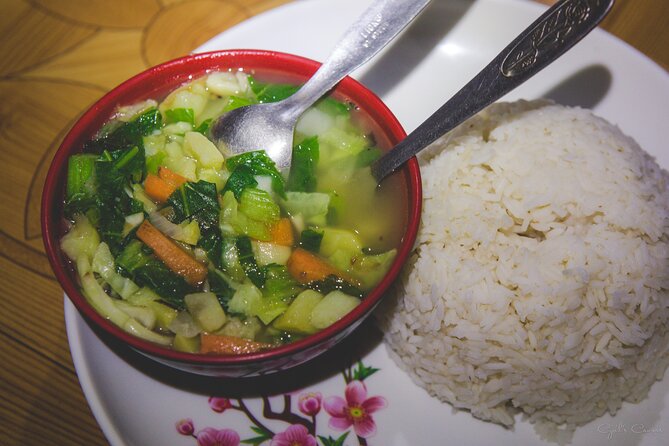
Tea-house accommodation means simple comfort. Twin sharing is included, but you should expect basic rooms and shared facilities rather than private hotel standards. The value is location and warmth after a long day, not luxury.
Dingboche: acclimatization in the high valley
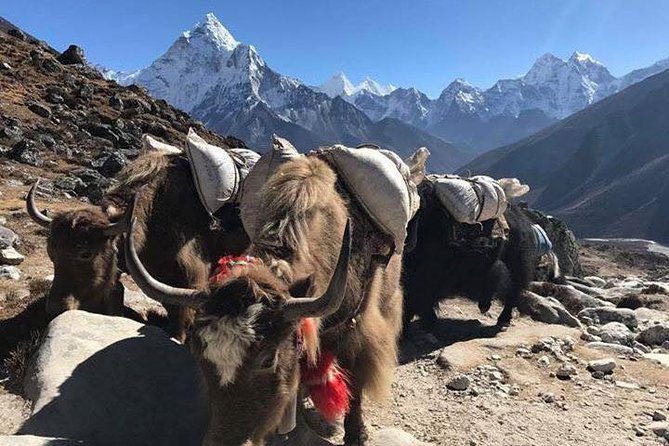
Dingboche is another key acclimatization stop and one of the last larger villages before the route becomes more exposed and remote. At this height, the walking can feel harder even when the trail is not especially steep.
This is where a good guide earns their place. The company’s guide team receives repeated praise for patience, safety checks, and care. Binod is described as patient and attentive, while Ramjee is praised for supporting first-time hikers. Shankar is also singled out for being an excellent chief guide.
Those details are useful because guide quality matters greatly on this route. A guide does more than show the path. Your guide can help judge pace, monitor how you are coping, organize tea-house stays, and make sensible decisions when snow or fatigue changes the plan.
Gorak Shep and the final approach to Base Camp
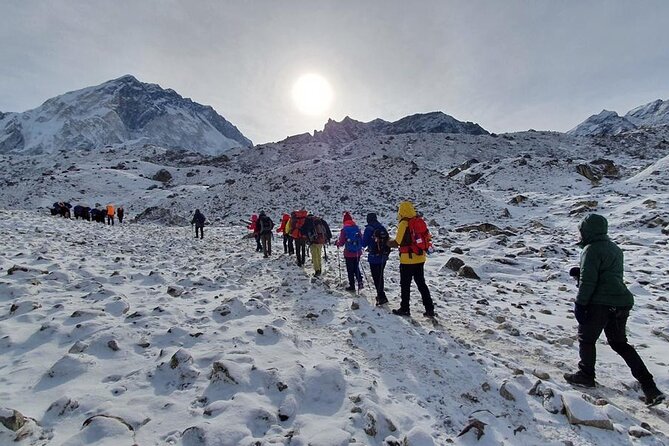
Gorak Shep is the last major stop before Everest Base Camp. It is high, cold, and basic. You will likely feel the altitude here, and the walking can become slow even for strong hikers.
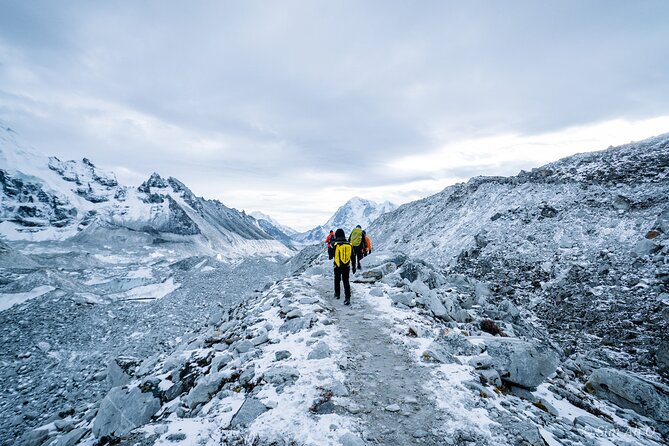
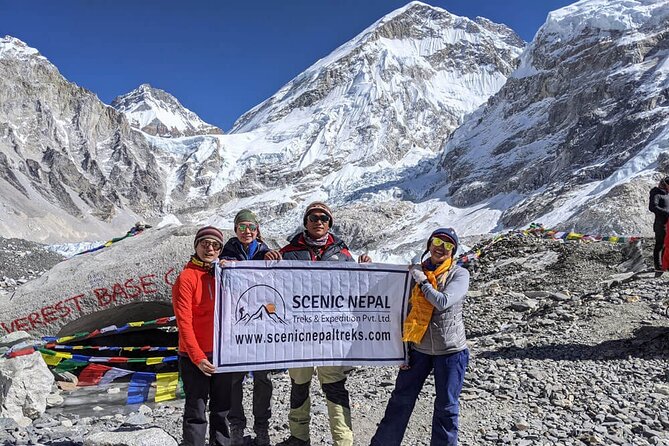
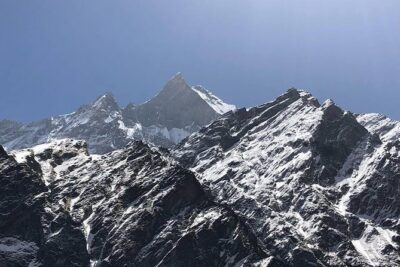
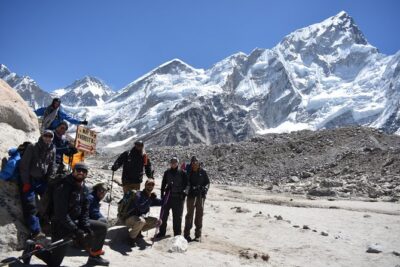
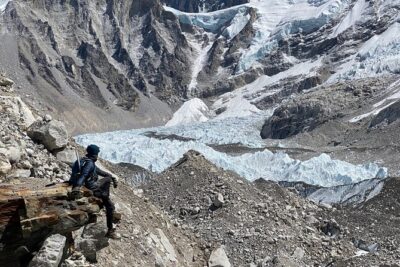
From Gorak Shep, the route reaches Everest Base Camp at 5,364 meters. Base Camp itself is famous, but the surrounding mountain scenery is the real reward. You will see glacial valleys and the huge faces of Everest, Lhotse, Nuptse, Ama Dablam, and Pumori.
The final approach is not guaranteed to be easy. A group on this route faced two days of snow around Lobuche and reached Base Camp only because the weather and timing worked in their favor. That is a useful reminder to respect your guide’s judgment and accept that mountain conditions can alter the plan.
You may not find a grand monument at Base Camp. The meaning comes from standing in a place used by climbers preparing for Everest and from understanding the effort required to reach it on foot. The satisfaction is in the route, not just the endpoint.
Kala Patthar: the best view of the trip
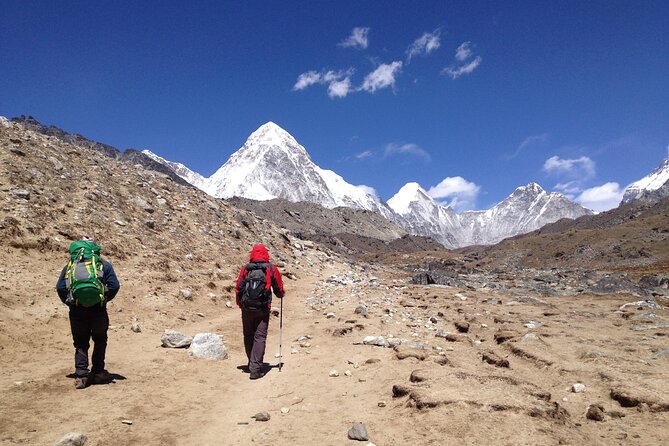
The Kala Patthar viewpoint is the photographic high point. From here, you can look toward Everest and the surrounding peaks with a broader view than you get at Base Camp.
The route description specifically highlights sunrise at Kala Patthar, and that timing can make the climb worthwhile. Early starts at altitude are cold, so your warm hat, gloves, down jacket, and spare layers should be easy to reach.
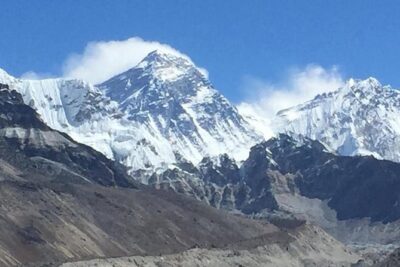
This is also where expectations need care. Mountain weather can cover the peaks, and clear views are never guaranteed. Still, when the sky cooperates, the combination of Everest, Lhotse, Nuptse, Ama Dablam, and Pumori gives you the grand scene most people picture when they think of the Himalayas.
Tea houses, porters, meals, and the real cost
At $1,439 per person, this trip offers solid value if you want a guided private trek with flights, permits, tea-house lodging, and local staff arranged in advance. The inclusion of permits and domestic flights is important because those costs and arrangements can be awkward to handle independently.
The package includes 11 nights of twin-sharing tea-house accommodation. It also lists a porter for two hikers, with one porter carrying bags for each pair. However, the overview describes a porter as an optional add-on. Confirm exactly what is included, how much weight the porter carries, and whether solo participants within a private booking have a different arrangement.
Meals need the same check. One part of the description says meals are included, while the inclusions list says personal expenses and meals during the trek are not included. Treat meals as extra until Scenic Nepal Treks confirms otherwise in writing. Budget for drinks, snacks, charging, laundry, and any small purchases in the mountains.
Tips and gratuities for guides, porters, and drivers are also not included. Keep cash available for those costs, and ask the operator what tipping practice they recommend.
Who should book this Himalayan adventure?
This trek suits you if you want a famous mountain route but prefer local guides and a private arrangement over a large fixed group. It also works for fit beginners. One first-time hiking pair said the guide and porter took care of them throughout, which suggests the company can support people without extensive trekking experience.
You should still prepare seriously. Break in your boots, train on hills or stairs, and practice walking with a daypack. The recommended gear list is long for a reason. Cold, sun, wind, snow, and altitude can all affect your comfort.
It is less suitable if you want guaranteed comfort, flexible sightseeing every day, or a low-effort holiday. Tea houses are simple, the walking is demanding, and weather may affect flights or the final approach. You also need to accept that plans in the Himalayas must sometimes bend.
The company receives a 5 out of 5 rating from 57 reviews, with 100 percent recommending the experience. The strongest praise focuses on organization, guide care, and the warmth of the staff. Dipendra is repeatedly associated with smooth arrangements, while guides such as Binod, Ramjee, Shankar, and Santosh receive personal praise for safety and support.
Should you book the 12-day Everest Base Camp trek?
I would consider this trek if you are two or more people, have moderate fitness, and want a well-supported route with strong local involvement. The guide team and practical inclusions are the clearest strengths, and the $1,439 price can be fair once you confirm flights, lodging, porter service, and meals.
Before paying, ask for a final written list of inclusions. Focus on the meal contradiction, porter arrangement, group size, Ramechap airport transfers, and the number of tea-house nights. Buy suitable insurance, allow flexibility around domestic flights, and prepare for cold conditions.
Book it if you want the full walking experience, not just a quick mountain photo. Skip it if you dislike basic lodging, long uphill days, or uncertainty caused by weather. For the right person, the route offers an unusually strong mix of mountain scenery, Sherpa culture, and personal achievement.
FAQ
How long is the Everest Base Camp trek?
The experience lasts approximately 12 days and begins and ends at the Scenic Nepal Treks and Expedition office in Kathmandu.
What is the minimum number of people required?
A minimum of two people is required for each booking.
How many people can join the tour?
The information gives a maximum of 15 people per booking, while another note says the activity will have a maximum of 10 travelers. Confirm the actual group size before booking.
Is accommodation included?
Yes. Twin-sharing tea-house accommodation for 11 nights during the hike is included.
Are meals included?
The information is inconsistent. One section says meals are included, while another lists personal meals during the trek as excluded. Confirm this directly with Scenic Nepal Treks before booking.
Are domestic flights included?
Yes. Return domestic flights are included, although the flight may operate from Ramechap Airport rather than Kathmandu.
What fitness level is needed?
A moderate physical fitness level is required. You should be prepared for demanding walking at high altitude and bring the recommended trekking clothing and equipment.
New in the Kathmandu listings
- Traditional Momo Making Class★ 5.0 · 10 reviews
- Kathmandu: Ancient City Kirtipur & Pharping Monastery Tour★ 5.0 · 2 reviews
- Kathmandu to Pokhara Premium sofa bus ticket★ 4.0 · 17 reviews
- Women Empowerment Project(Nepali cooking class & jewelry workshop★ 5.0 · 15 reviews
- 7-Day Langtang Valley Trek from Kathmandu★ 5.0 · 1 review
- Kathmandu 2 Nights 3 Days Chitwan Jungle Safari Tour★ 5.0 · 9 reviews
- Yoga Experience Day Trip with Private Transfer From Kathmandu★ 4.0 · 2 reviews
- Wildlife Adventure in Chitwan Nepal★ 4.0 · 4 reviews
Everest Base Camp Treks, compared.
Everest Base Camp Trek with Helicopter Return from Gorakshep to Lukla
Read our review →Browse the lists this tour appears in