
REVIEW · EVEREST BASE CAMP TREKS
Everest Base Camp Trekking
The mountains start long before base camp. This 12-day Everest Base Camp trek takes care of the hard planning, from permits and tea-house stays to porters, meals, insurance, and flights between Kathmandu and Lukla. You still need strong fitness, but you do not need to build the whole trip from scratch.
I like the small maximum group of 15 and the useful porter arrangement, with one porter shared by every two trekkers. I also like the personal guide support, with names such as Ram Dhakal and Dillip praised for careful attention and flexibility. The main drawback is that the $1,350 price does not cover Kathmandu lodging, personal insurance, emergency evacuation, hot showers, Wi-Fi, charging, or bottled water.
In This Review
- Five things to know before you go
- What the $1,350 price really buys you
- From Kathmandu to the famous Lukla flight
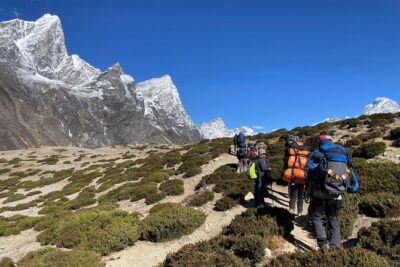
- Following the route toward Namche Bazaar
- Sherpa culture and the Tengboche monastery
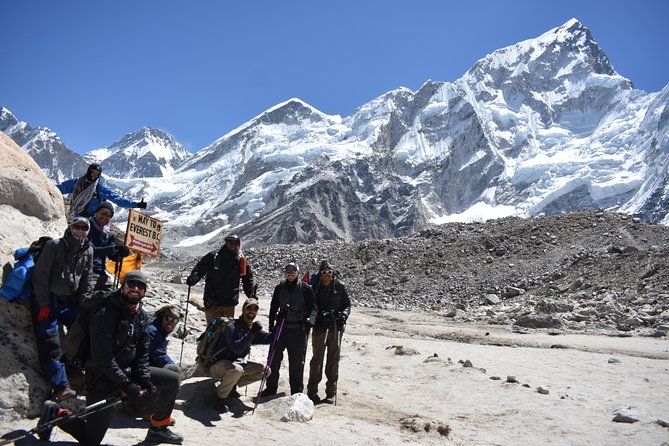
- Reaching Everest Base Camp and the Khumbu glacier
- Kala Patthar, Everest views, and the memorial hill
- The guide and porter support
- What you eat and where you sleep
- Fitness, insurance, and practical limits
- Who should book this Everest trek?
- Should you book it?
- FAQ
- How long does the Everest Base Camp trek last?
- What is included in the $1,350 price?
- Is accommodation in Kathmandu included?
- Are flights to Lukla included?
- Can I request vegetarian meals?
- What personal costs should I expect during the trek?
Five things to know before you go
- Namche Bazaar is more than a rest stop: You reach the famous high-altitude market town and get an early look at Sherpa life.
- The package covers the major trekking costs: Tea-house lodging, three meals a day, permits, guide, porter, insurance for the trekking staff, and domestic flights are included.
- You trek the classic route toward Everest Base Camp: The path follows the route associated with Sir Edmund Hillary and Tenzing Norgay Sherpa.
- Kala Patthar provides the key mountain view: This viewpoint offers a close look at Everest, along with views of peaks above 8,000 meters.
- Lukla flights add real adventure: Flights are included, but they are part of the practical challenge of reaching the Khumbu.
- Tengboche adds a cultural stop: You can visit the monastery, seek blessings from a monk, and see how Sherpa culture shapes the region.
What the $1,350 price really buys you
At $1,350 per person, this is not a luxury tour. It is a practical, guided trek with the largest costs bundled together. You receive 11 nights in basic tea-house accommodation, breakfast, lunch, and dinner during the trek, national park fees, VDC and TIMS fees, a guide, a porter, and airfare between Kathmandu, Ramechhap, and Lukla.
That bundle matters. Everest Base Camp planning involves permits, transport, lodging, food, staff, baggage, and altitude concerns. Here, the provider handles the main pieces while you focus on training and carrying your personal gear.
The package also includes guide and porter salary, food, accommodation, and insurance for those staff members. A sleeping bag, duffel bag, and down jacket can be provided on request, which may save you from buying or transporting bulky gear.
Still, read the price carefully. Your Kathmandu accommodation is not included, and neither are meals in Kathmandu. You also need personal insurance that covers medical care, accidents, and rescue, including helicopter evacuation. That last point matters greatly in the Himalayas, where an emergency evacuation can cost far more than the trek itself.
Personal spending is separate too. Expect to pay for hot showers, hot water, battery charging, Wi-Fi, bottled or mineral water, laundry, telephone calls, alcoholic drinks, and tips for your guide and porters. The package includes a trekking map for the group and a trekking certificate after the trip, pleasant extras but not reasons alone to book.
More Everest Base Camp treks:
- Everest Base Camp Trek – 14 Days
★ 5.0 · 1,499 reviews - Everest Base Camp Trekking
★ 5.0 · 485 reviews - Everest Base Camp Trekking – 13 Day
★ 5.0 · 365 reviews
From Kathmandu to the famous Lukla flight
The meeting point is in Thamel, Kathmandu, with a 6:15 a.m. start. Airport pickup and drop-off in Kathmandu are included, and the flight arrangement is listed as Kathmandu, Ramechhap, to Lukla and back. That wording is worth noting because your actual airport transfer details should be confirmed before departure.
The Lukla flight is one of the trip’s memorable moments. It is not simply a routine transfer. It is the gateway to the Everest region and one of the experiences built into the cost of the trek.
The early start means you should organize your Kathmandu evening carefully. Have your passport details ready, keep important items accessible, and ask the operator exactly where and when the airport transfer will meet you. Passport name, number, expiry date, and country are required for everyone at booking.
The guide meets you at the starting point and remains with you through the trip. That continuity is valuable on a long trek. You are not left to sort out each village, meal, permit, or lodge on your own.
Following the route toward Namche Bazaar
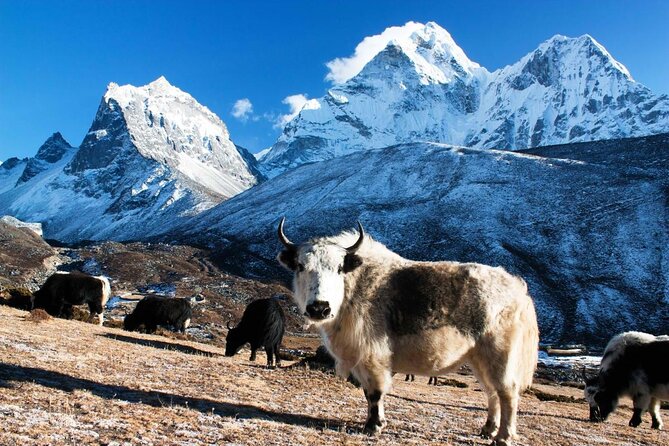
The trek takes you into the Khumbu region and toward Namche Bazaar, often described as the gateway to Everest. The town is also a high-altitude market center, so it gives the journey a human scale. You are not only walking toward a famous mountain. You are moving through Sherpa communities where trade, monasteries, mountaineering, and daily life all meet.
The guide is meant to explain the cultural and natural value of the route, not simply point out the next trail marker. That is one reason the package suits you if you want context along with scenery.
The physical demand is serious from the beginning. The operator requires a strong fitness level, and that is not a box to tick lightly. You are walking at high altitude for many days, with long stretches on foot and basic accommodation at night. The tour does not promise an easy version of Everest Base Camp.
A shared porter arrangement helps. One porter serves two trekkers, allowing you to carry a lighter personal load than you would on a fully independent trek. You should still expect to manage your daypack and prepare personal equipment suited to cold, changing conditions. Personal trekking equipment is not included.
Sherpa culture and the Tengboche monastery
Tengboche monastery gives the trek a cultural center as well as a mountain one. You have the chance to seek blessings from a monk and explore this well-known monastery, an experience that adds meaning to the long walk.
The value here is not only visual. A visit to Tengboche connects the mountain route with Sherpa Buddhist life. Your guide can help explain what you are seeing and how the monastery fits into the region.
Keep your expectations sensible. This is a trekking stop, not a long cultural workshop. The supplied information does not set out a detailed monastery program or extended sightseeing time. You should treat it as an important moment along the route, with the exact time available shaped by the day’s walking schedule.
The same is true of the Sherpa lifestyle featured throughout the trek. You will have opportunities to observe local communities and mountain traditions, but the experience is still an active expedition. It is best for someone who enjoys learning through place, walking, and conversation rather than someone seeking a fully planned cultural tour.
More walking in the hills of Kathmandu:
- Nagarkot Sunrise View and Day Hiking from Kathmandu
★ 5.0 · 471 reviews - Annapurna Circuit Trek with Tilicho Lake
★ 5.0 · 368 reviews - Everest Base Camp Trek -14 Days
★ 5.0 · 321 reviews - Annapurna base camp trek 5 Days
★ 5.0 · 252 reviews
Reaching Everest Base Camp and the Khumbu glacier
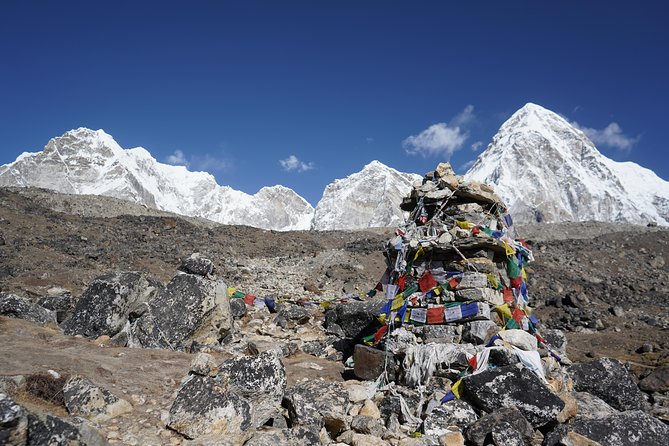
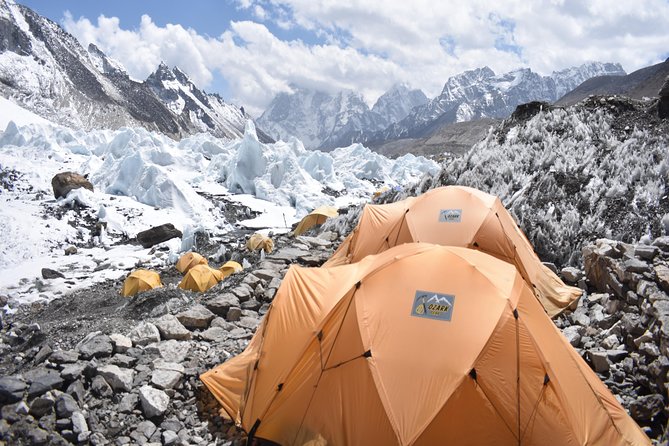
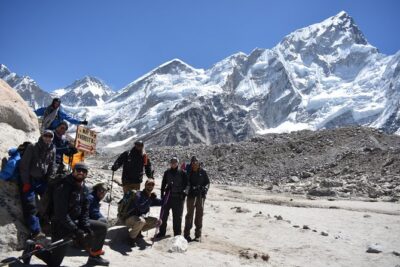
Everest Base Camp is the emotional high point of the trek. You set foot at the base camp used by climbers preparing for the world’s highest mountain. This is a trekking achievement, not a summit climb, and that distinction is important.
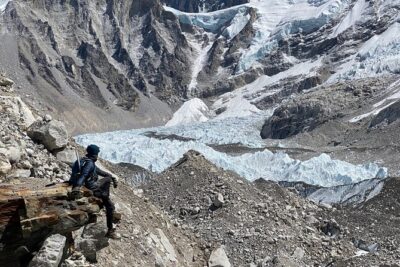
You do not climb Mount Everest on this tour. You trek to its base camp under the care of a licensed English-speaking guide and support from a porter. The route also gives you a chance to see the Khumbu glacier, one of the major natural features of the Everest region.
The guide accompanies you and explains the natural and cultural value of the places you pass. That support can make a difference on a demanding day, particularly when you need help with pacing, route decisions, or practical questions.
The experience is not polished or comfortable in the usual sightseeing sense. Tea houses are basic, and hot showers, Wi-Fi, charging, and hot water cost extra. If you need hotel-level comfort each night, this package will feel spare. If you want the chance to reach base camp without arranging every permit, bed, meal, and porter yourself, the simplicity is part of the deal.
Kala Patthar, Everest views, and the memorial hill
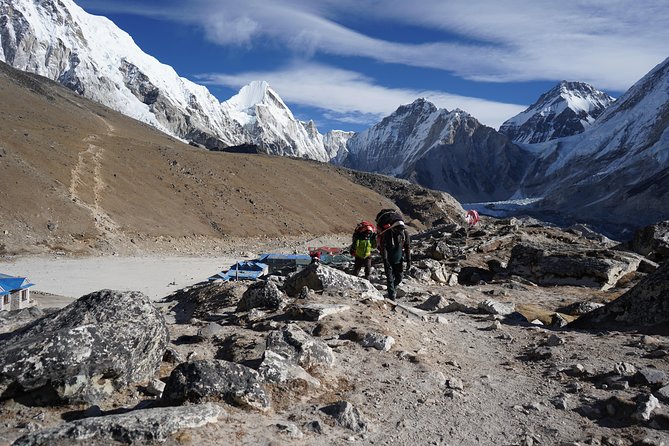
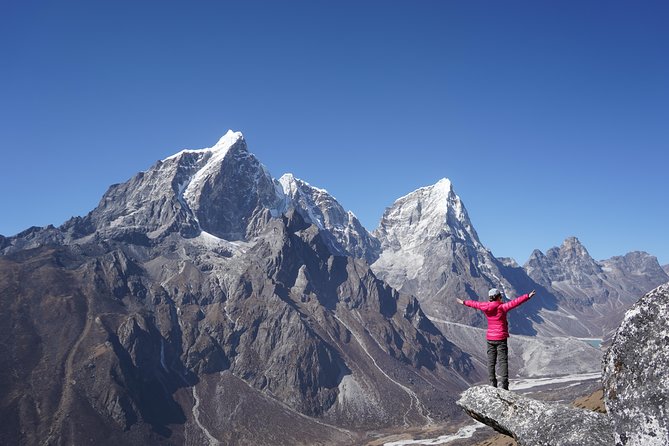
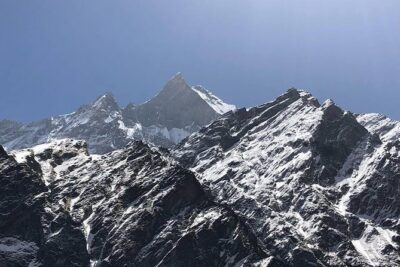
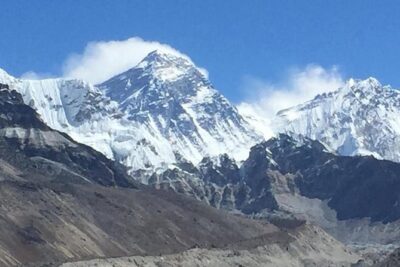
Kala Patthar is one of the most important stops because it provides a close view of Everest. The trek also promises broad mountain views, including peaks higher than 8,000 meters.
Many people picture Everest Base Camp itself as the best viewpoint, but base camp is primarily a mountaineering staging area. Kala Patthar is the named viewpoint in this experience, so you should pay close attention to that part of the plan if mountain scenery is your main reason for going.
The route also includes a memorial hill for climbers who died in the mountains. This gives the trek a quieter, more serious side. Everest is not only a symbol of achievement. It is also a place marked by risk, loss, and respect for those who did not return.
You should allow yourself time for both kinds of experience: the excitement of reaching a famous viewpoint and the reflection that comes with the memorials. The combination makes the route feel more grounded than a simple checklist of mountain sights.
The guide and porter support
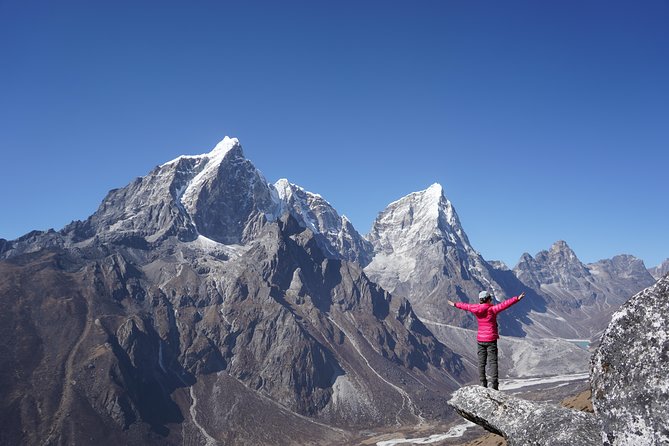
The strongest part of the arrangement is the human support. The company provides a government-licensed English-speaking guide and a porter, with one porter assigned for every two trekkers. The guide and porters receive their own food, salary, accommodation, and insurance through the package.
Names attached to especially positive experiences include Ram Dhakal, who was praised for looking after a group throughout the trek, and Dillip, who helped a solo trekker complete a long-held goal. Manager Nadin was also praised for communication and help before the trip.
That matters if you are booking alone. A solo trekker can still receive guide support without having to organize every detail independently. It also matters if you value flexibility. One customer described the schedule as well planned but adaptable to changing needs, which is the right balance for a demanding mountain trip.
No operator can remove all uncertainty from the Himalayas. The guide can manage logistics and offer support, but you remain responsible for your fitness, personal equipment, insurance, and honest communication about how you feel.
What you eat and where you sleep
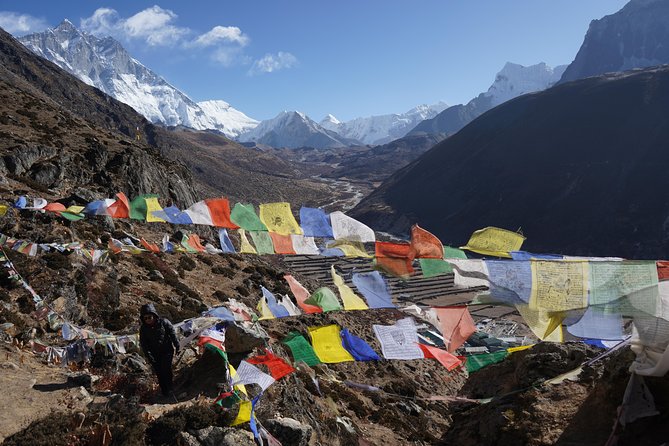
The 11 nights are spent in basic tea houses. These are functional mountain lodgings, not Kathmandu hotels. The package includes breakfast, lunch, and dinner during the trekking portion, which keeps the daily budget easier to control.
Drinks and personal extras are not included. Bottled water, mineral water, hot drinks, hot showers, laundry, charging, Wi-Fi, and telephone calls are all your responsibility. Carrying some spending money is essential.
Vegetarian meals are available if you request that option at booking. If you follow a specific diet beyond vegetarian food, the supplied information does not confirm what can be provided, so ask before paying.
The sleeping bag and down jacket are available upon request. Do not assume they will appear automatically. Request them in advance and confirm what is supplied, then check your own clothing and equipment against the cold and physical demands of the trek.
Fitness, insurance, and practical limits
This trek is for people with a strong physical fitness level. The 12-day duration may sound tidy, but it still involves sustained walking at altitude. You should prepare for a physically demanding experience rather than treating it as an ordinary sightseeing holiday.
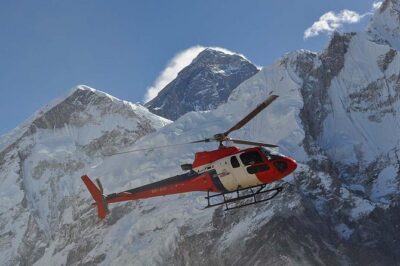
Personal insurance is not included. You need cover for medical and accidental problems, as well as rescue, including helicopter evacuation. The package’s insurance applies to the guide and porters, not as a replacement for your own policy.
Emergency evacuation expenses are also excluded. This is the most important financial warning in the package. Before booking, check that your policy specifically covers trekking at the altitude involved and evacuation in Nepal.
The group maximum is 15 people. That is small enough to feel more personal than a large coach tour, though the actual group size can vary. The guide and porter structure should help keep the trek organized without turning it into a private trip.
Who should book this Everest trek?
I would recommend this experience if you want Everest Base Camp but do not want to arrange permits, tea houses, meals, porters, flights, and route support on your own. It is especially suitable for a fit first-time Himalayan trekker who values a fixed framework and a guide who can handle the practical work.
It also suits solo trekkers. The support from a manager, guide, and porter gives you a clearer structure than setting off independently, while the group limit keeps the experience from becoming a mass tour.
I would hesitate if you want luxury, strong communication access, or a fully inclusive price. Kathmandu lodging, personal insurance, emergency evacuation, equipment, showers, charging, Wi-Fi, and several daily expenses remain outside the package.
The 24-hour cancellation policy is useful: you can receive a full refund if you cancel at least 24 hours before the local start time. Changes or cancellations inside that window are not accepted for a refund.
Should you book it?
Book this trek if reaching Everest Base Camp is your goal and you want the major logistics handled by an established local operator. The strongest value comes from the combination of permits, tea-house accommodation, meals, flights, guide service, porter support, and staff costs in one price.
Before paying, confirm the Kathmandu and Ramechhap flight arrangements, request the sleeping bag and down jacket if needed, check your rescue insurance, and budget for personal costs. If you arrive fit, prepared, and comfortable with basic mountain lodging, this offers a well-supported way to walk through Sherpa country, see Everest from Kala Patthar, visit Tengboche, and reach base camp without carrying the entire planning burden yourself.
FAQ
How long does the Everest Base Camp trek last?
The experience lasts approximately 12 days and includes 11 nights of basic tea-house accommodation during the trek.
What is included in the $1,350 price?
The price includes tea-house lodging during the trek, breakfast, lunch, dinner, Kathmandu, Ramechhap, and Lukla airfare, a licensed English-speaking guide, porters, applicable permits and fees, staff costs, a group trekking map, a trekking certificate, and domestic airport pickup and drop-off.
Is accommodation in Kathmandu included?
No. Accommodation in Kathmandu is not included, and meals in Kathmandu are also separate.
Are flights to Lukla included?
Yes. Airfare between Kathmandu, Ramechhap, and Lukla is included as part of the trekking package.
Can I request vegetarian meals?
Yes. A vegetarian option is available, but you need to advise the operator when booking.
What personal costs should I expect during the trek?
You should budget for personal trekking equipment, hot showers, hot water, battery charging, Wi-Fi, bottled or mineral water, laundry, telephone calls, alcoholic drinks, and tips. Personal medical, accident, and rescue insurance is also not included.
New in the Kathmandu listings
- Traditional Momo Making Class★ 5.0 · 10 reviews
- Kathmandu: Ancient City Kirtipur & Pharping Monastery Tour★ 5.0 · 2 reviews
- Kathmandu to Pokhara Premium sofa bus ticket★ 4.0 · 17 reviews
- Women Empowerment Project(Nepali cooking class & jewelry workshop★ 5.0 · 15 reviews
- 7-Day Langtang Valley Trek from Kathmandu★ 5.0 · 1 review
- Kathmandu 2 Nights 3 Days Chitwan Jungle Safari Tour★ 5.0 · 9 reviews
- Yoga Experience Day Trip with Private Transfer From Kathmandu★ 4.0 · 2 reviews
- Wildlife Adventure in Chitwan Nepal★ 4.0 · 4 reviews
Everest Base Camp Treks, compared.
Everest Base Camp Trek with Helicopter Return from Gorakshep to Lukla
Read our review →Browse the lists this tour appears in