
REVIEW · EVEREST BASE CAMP TREKS
Everest Base Camp Trek
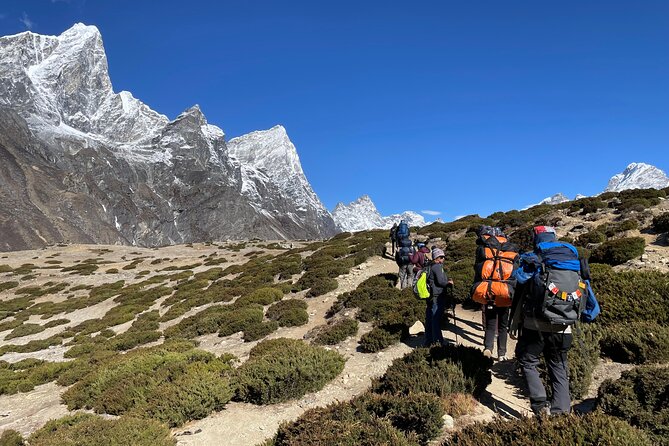
Everest rewards steady steps. This 12-day trek from Kathmandu combines classic Himalayan views with villages, monasteries, suspension bridges, and the demanding climb to Everest Base Camp. I especially like the built-in acclimatization day at Namche Bazaar and the early hike to Kala Patthar, the best viewpoint on this route for seeing Mount Everest.
I also like the practical package: tea house lodging, three meals a day, a guide, porter support, airport transfers, and a farewell dinner are included in the $2,500 price. The main concern is the schedule. High altitude and long walking days make this a serious physical undertaking, not a casual sightseeing trip.
In This Review
- Key points to know before booking
- Why this Everest route remains so popular
- Day 1: Kathmandu to Lukla and Phakding
- Day 2: Phakding to Namche Bazaar
- Day 3: Acclimatization around Namche
- Day 4: Namche Bazaar to Tengboche
- Day 5: Tengboche to Dingboche
- Day 6: Dingboche to Lobuche
- Day 7: Lobuche to Gorakshep and Everest Base Camp
- Day 8: Kala Patthar and the descent to Lobuche
- Day 9: Lobuche to Tengboche
- Day 10: Tengboche to Monjo through Namche
- Day 11: Monjo to Lukla
- Day 12: Lukla to Kathmandu
- Guides, porters, and the human side of the trek
- What the $2,500 price really covers
- Who should book this trek?
- Should you book the Everest Base Camp Trek?
- FAQ
- Where does the Everest Base Camp Trek begin?
- How long is the trek?
- How long is the flight from Kathmandu to Lukla?
- Is airport pickup included?
- Is accommodation included?
- Are meals included?
- Is a guide provided?
- Is porter service included?
- What is the highest point reached?
- Do I need travel insurance?
- What is not included in the price?
- Can I cancel for a full refund?
Key points to know before booking
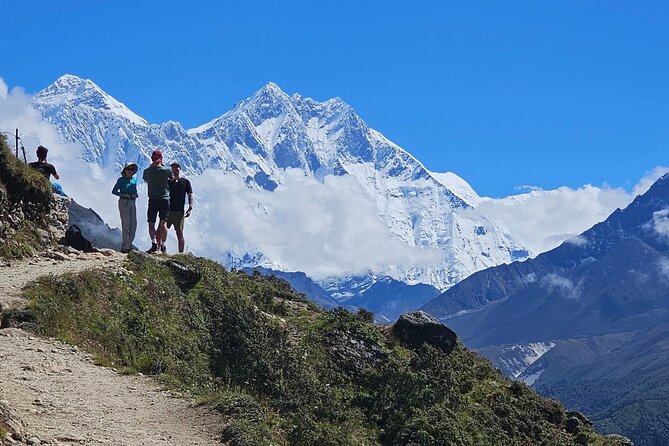
- Kala Patthar is the visual high point: The early climb offers some of the finest views of Everest, Nuptse, and the Khumbu Glacier.
- Namche acclimatization is built in: Day three gives your body time to adjust before the trail rises higher.
- The route reaches 5,364 meters: Everest Base Camp is high, and Gorakshep sits at about 5,150 meters.
- A porter carries shared luggage: The arrangement is one porter for every two trekkers, which reduces the load you carry each day.
- Lukla flights are short but intense: The flight from Kathmandu takes about 25 minutes, followed by an immediate start on foot.
- The package covers the basics: Meals, tea house accommodation, permits and local taxes are included, but insurance, showers, charging, bottled water, tips, and personal spending are extra.
Why this Everest route remains so popular
The appeal is simple: you walk through the Khumbu region toward the base of the world’s highest mountain. But the route is not just a mountain photo opportunity.
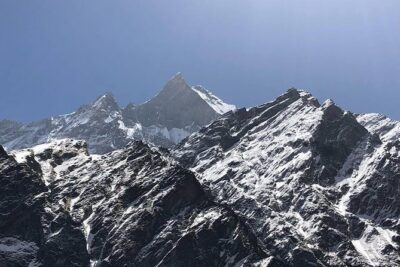
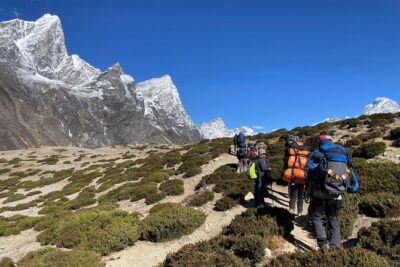
You pass Buddhist monasteries, stone villages, rhododendron forests, rivers, waterfalls, prayer sites, and high alpine settlements. The scenery changes almost every day. Lower sections feel wooded and sheltered, while the upper trail becomes more open, stark, and dominated by rock, ice, and enormous peaks.
I like that the route gives you time to experience local life rather than simply arriving at a viewpoint by vehicle. Namche Bazaar provides a useful pause in the ascent, and Tengboche adds an important cultural stop with its monastery and long-standing religious traditions.
The price of $2,500 is not small, but it covers many of the costs that can quickly add up on a Himalayan trek. You receive transport from the international and domestic airports, tea house accommodation, three meals during the trek, hot soup in high places, a guide, porter service, guide and porter insurance, government and local taxes, a trekking map, a company T-shirt, and a completion certificate.
That package offers reasonable value if you want organized support. You still need to budget for Nepal’s visa, international flights, personal insurance, showers, battery charging, laundry, drinks, extra water, bar bills, and tips. The cost also does not include an extra Kathmandu night if delays or itinerary changes require one.
More Everest Base Camp treks:
- Everest Base Camp Trek – 14 Days
★ 5.0 · 1,499 reviews - Everest Base Camp Trekking
★ 5.0 · 485 reviews - Everest Base Camp Trekking – 13 Day
★ 5.0 · 365 reviews
Day 1: Kathmandu to Lukla and Phakding
Your morning begins early, with a stated meeting time of 5:15 am at Tribhuvan Airport. The 25-minute flight to Lukla is one of the memorable parts of the trip. From the air, the first views of the Everest region give you an immediate sense of the scale ahead.
Lukla is at the trailhead, so there is little time for a gentle introduction. After arriving and taking in the town, you walk for about three hours to Phakding at roughly 2,650 meters.
The route passes through forest, Buddhist monasteries, and local settlements. If the weather is clear, Kanguru Peak may appear along the way. Phakding is a sensible first overnight stop because the walking day is relatively short compared with what follows.
Your first meal and tea house stay are included. Keep some cash available for personal purchases, drinks, and services not covered by the package.
Day 2: Phakding to Namche Bazaar
This is a longer day of about six hours. The trail follows the Dudh Koshi River through villages, waterfalls, and a series of bridges before reaching Namche Bazaar at about 3,440 meters.
Lunch is planned around Monje or Jorsalle. Near Namche, the trail reaches Top Danda, where you may get an early view of Mount Everest if the weather cooperates. The walk becomes more demanding as you gain height, so a measured pace matters.
Namche is one of the most important stops on the trek. It is not merely a place to sleep. It is the main settlement in the route’s middle section and the point where many trekkers begin to feel the effect of altitude.
Day 3: Acclimatization around Namche
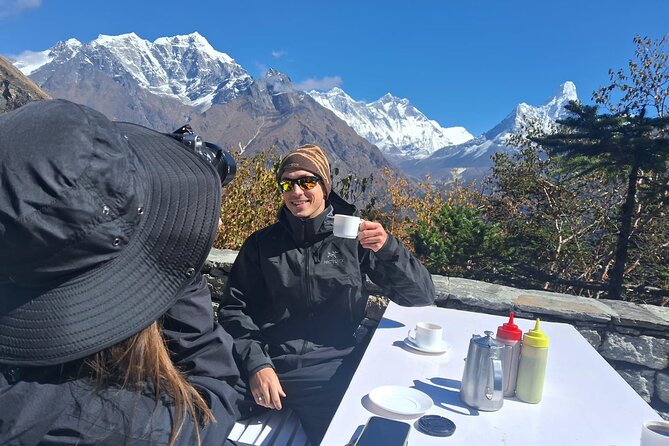
The schedule wisely keeps this day for acclimatization. You explore Namche and nearby viewpoints instead of pushing directly toward the higher villages.
Possible outings include the Everest View Point, views toward Kusum Kanguru, Taboche Peak, and Khonde Peak, plus the Sagarmatha National Park museum. You also have time to shop for souvenirs in Namche Bazaar.
The value of this day is physical as much as scenic. Your body needs time to adjust before the route climbs above 4,000 meters. Follow your guide’s pace, drink regularly, and report any symptoms that concern you.
More walking in the hills of Kathmandu:
- Nagarkot Sunrise View and Day Hiking from Kathmandu
★ 5.0 · 471 reviews - Annapurna Circuit Trek with Tilicho Lake
★ 5.0 · 368 reviews - Everest Base Camp Trek -14 Days
★ 5.0 · 321 reviews - Annapurna base camp trek 5 Days
★ 5.0 · 252 reviews
Day 4: Namche Bazaar to Tengboche
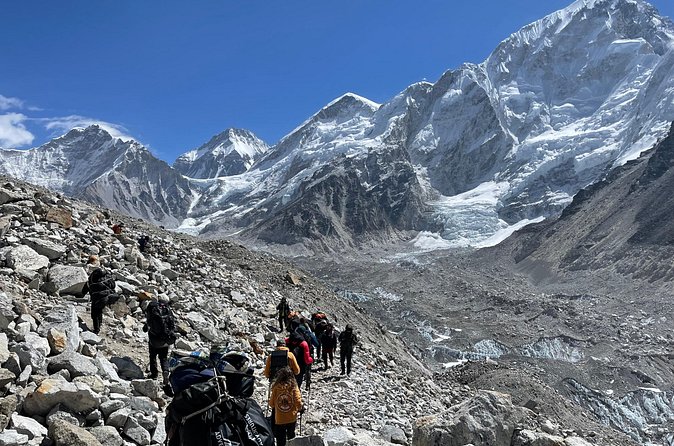
The trail to Tengboche takes about five hours and crosses rhododendron forest and river country. Tengboche sits at approximately 3,860 meters and is home to one of the most important cultural stops on the route, Tengboche Monastery.
You can visit the monastery and see monks and local people following traditional Buddhist practices. This gives the trek a stronger sense of place. You are not simply walking from one mountain viewpoint to another. You are passing through a living religious and cultural region.
The route also brings impressive mountain views, though cloud and weather can affect what you see. The overnight stay at Tengboche keeps the following day manageable.
Day 5: Tengboche to Dingboche
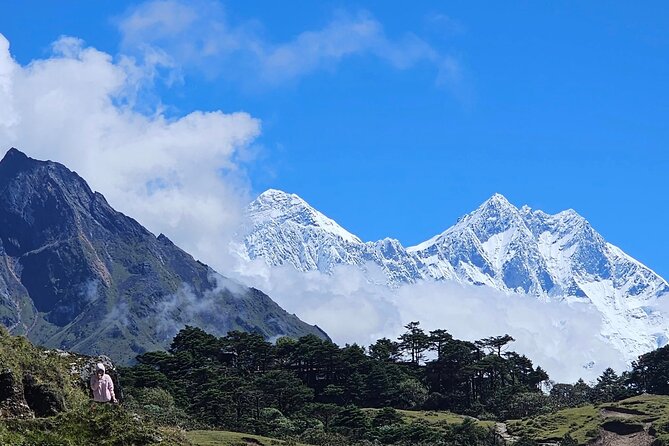
This five-hour walk brings you to Dingboche at about 4,400 meters. Breakfast is taken at Tengboche, with lunch usually around Pangboche or Somare, and dinner in Dingboche.
The rising altitude becomes more noticeable here. Dingboche is a high settlement, and the open surroundings offer broad views of the surrounding peaks. The village is also an important staging point before the route climbs toward Lobuche and Gorakshep.
The day is not especially long by walking time, but altitude changes the effort. You may find a short uphill section much harder than expected. Give yourself time, and do not judge the day by distance alone.
Day 6: Dingboche to Lobuche
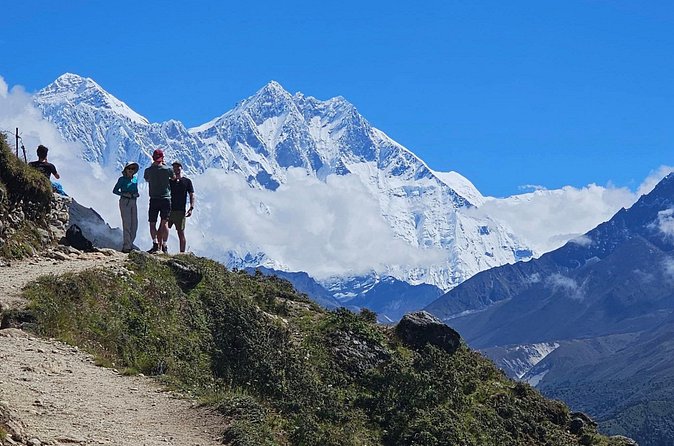
The published schedule gives this section as roughly four to five hours. You continue toward Lobuche at about 4,910 meters, with views of Nuptse, Island Peak, Lobuche Peak, and Taboche Peak.
The trail becomes less sheltered as you gain height. The vegetation thins, and the cold can feel sharper. This is a day to use your warm layers, protect your hands, and keep snacks easy to reach.
Lobuche is a high overnight stop before the push to Gorakshep and Everest Base Camp. Sleeping at this altitude can be difficult for some people, even when the walking itself feels manageable.
Day 7: Lobuche to Gorakshep and Everest Base Camp
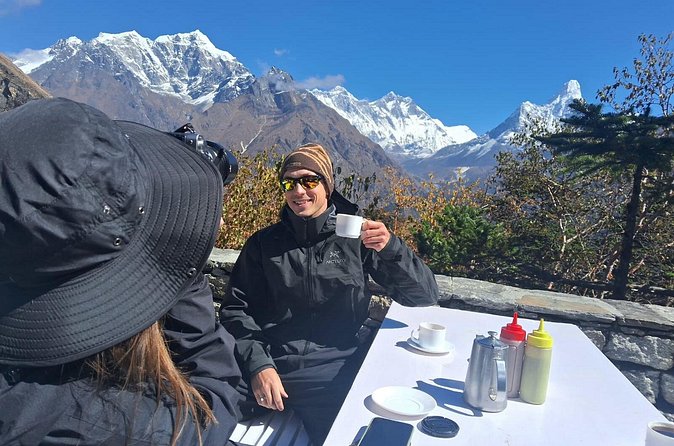
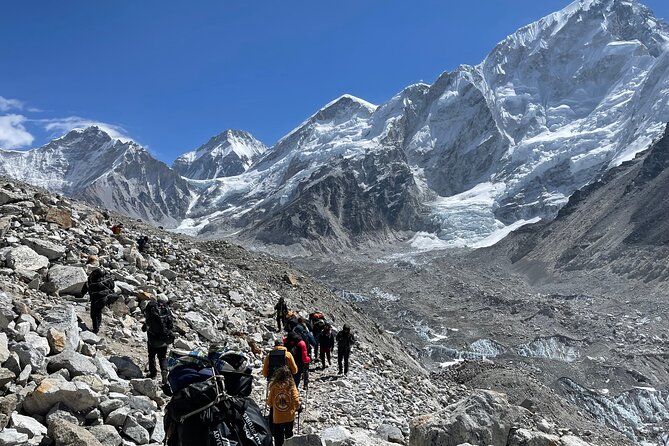
This is one of the biggest days of the trek. The walk to Gorakshep takes about three and a half hours along a steepening route. Gorakshep sits near 5,150 meters, and the Khumbu Glacier, Kala Patthar, and Everest come into view.
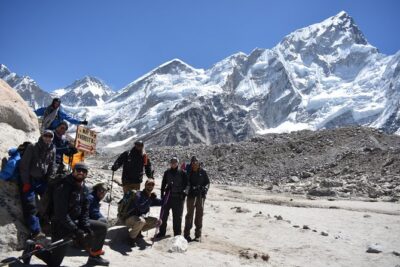
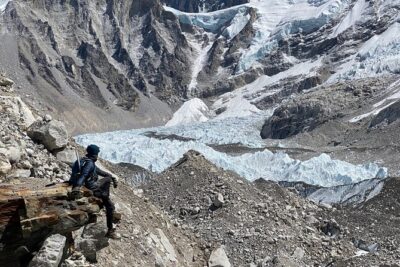
After lunch in Gorakshep, you continue to Everest Base Camp at approximately 5,364 meters. The trail crosses rough ground near the glacier, with a lake and small glacial sections along the way.
Base Camp is a major personal milestone, but keep your expectations realistic. The famous climbing camp changes with the season, and the mountain views are not always best from Base Camp itself. The approach, the Khumbu Glacier, and the knowledge that you have reached the foot of Everest are the real rewards.
You return to Gorakshep for the night. This makes for a long and tiring day at very high altitude, so the guide’s pacing and your willingness to stop when needed matter greatly.
Day 8: Kala Patthar and the descent to Lobuche
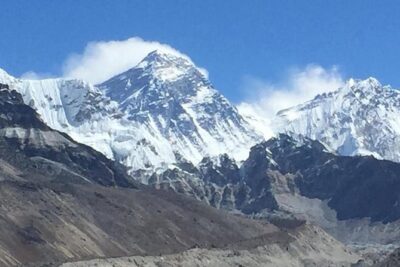
The early climb to Kala Patthar is the visual centerpiece of the experience. It takes about three hours, usually beginning before breakfast, and reaches a viewpoint known for outstanding views of Mount Everest.
From Kala Patthar, you can also see the Khumbu Glacier and surrounding Himalayan peaks. Morning light often gives the mountains their clearest definition, though cloud and weather remain beyond anyone’s control.
You descend to Gorakshep for breakfast, then continue to Lobuche, taking roughly two and a half hours after the descent. The drop in altitude should feel welcome, but downhill walking can still be hard on tired knees.
I consider this day one of the strongest reasons to choose the route. Everest Base Camp is the stated goal, but Kala Patthar often provides the more satisfying mountain panorama.
Day 9: Lobuche to Tengboche
The return to Tengboche takes about five and a half hours. You pass through Pangboche and Deboche, where you can stop for lunch, and encounter more monasteries, stupas, bridges, and rivers.
Descending gives your lungs some relief, but you should not assume the day is easy. Long downhill sections can strain your legs, especially after the high-altitude push.
The return route also lets you notice details that may have passed quickly during the ascent. You can pause more often, take photographs, and appreciate the shift from bare high country back toward forest.
Day 10: Tengboche to Monjo through Namche
After breakfast, you walk through rhododendron forest for about an hour before continuing toward Namche Bazaar. Lunch is planned in Namche, followed by the route through Jorsalle to Monjo.
The full day takes about six hours. This section retraces part of your earlier trail, but the descent changes the experience. Rivers, suspension bridges, villages, and wooded paths feel different when you are no longer focused on gaining altitude.
Monjo provides the overnight stop before the final walk to Lukla. The schedule spreads the descent across two days, which is more comfortable than trying to cover the entire distance at once.
Day 11: Monjo to Lukla
The walk back to Lukla takes about five hours. You descend toward Phakding, cross a suspension bridge over the Dudh Koshi River, and follow the river for part of the route before continuing uphill toward Lukla.
This is not pure downhill walking. The trail includes rises and uneven sections, so keep some energy for the final approach. Arriving in Lukla gives you a chance to rest before the flight back to Kathmandu.
Your last tea house night is included. Tips for your guide and porters are not included, so plan for this before the final morning.
Day 12: Lukla to Kathmandu
The return flight takes about 25 minutes. Once you arrive in Kathmandu, an agent from Himalayan Holyland Treks and Expeditions escorts you to a hotel by private car.
The schedule allows time to refresh and explore Thamel. A farewell dinner is included, giving the trip a clear closing point. The itinerary describes an overnight hotel stay in Kathmandu on this final day, but extra nights outside the planned schedule are not covered.
Flights to and from Lukla depend on mountain weather, so you should keep your wider Nepal plans flexible. The provided information does not promise a backup arrangement for a delayed flight, making rescue and travel insurance especially important.
Guides, porters, and the human side of the trek
A professional guide accompanies the trek, and one porter is assigned for every two trekkers. That ratio can make a major difference on a 12-day route, since carrying less allows you to focus on walking, breathing, and enjoying the villages.
The company has received especially warm praise for attentive guiding on its Himalayan trips. Ajay was described as closely looking after a parent and daughter from airport pickup through their return, while Jangbu was praised for steady support on a demanding Three Passes Trek. Those comments do not guarantee that either guide will lead your Everest Base Camp trip, so confirm the assigned guide before departure.
The included insurance covers guides and porters, not you. You need your own travel and rescue insurance. Check that it covers high-altitude trekking and emergency evacuation before you arrive in Nepal.
What the $2,500 price really covers
The package offers more than a basic walking permit and a guide. Airport transfers, domestic transport, tea house lodging, meals, hot soup, porter support, taxes, and guide services remove much of the planning burden.
The value is strongest if you prefer a supported private trip. Only your group participates, so the guide can focus on your pace and practical needs rather than managing a large mixed group.
You should still bring a separate spending budget. Hot showers, battery charging, laundry, water, bar bills, and personal purchases are excluded. Tips are also extra, and you need to pay for your Nepal visa and international flights.
Free cancellation is available if you cancel at least 24 hours before the local start time. A cancellation or change made less than 24 hours before departure is not refundable.
Who should book this trek?
This trip suits you if you want a famous Himalayan route with a clear schedule, porter support, organized meals, and a private group. It is a good fit for someone with moderate physical fitness who is prepared for long days, steep trails, cold conditions, and sleeping at high altitude.
It is less suitable if you want a relaxed holiday, dislike basic tea house accommodation, or have not prepared for serious mountain walking. The itinerary includes several five to six-hour days and reaches above 5,000 meters.
The most important preparation is not speed. Build your fitness for sustained uphill and downhill walking, learn the signs of altitude illness, and arrive with suitable clothing, sturdy footwear, and personal insurance.
Should you book the Everest Base Camp Trek?
Book it if reaching Everest Base Camp matters to you and you value organized support more than complete independence. The two best features are the acclimatization day in Namche and the Kala Patthar climb, which gives you the mountain view many people hope to see.
The drawback is the tight 12-day schedule and the physical demands of the high route. At $2,500, the trip offers solid coverage for transport, food, lodging, guides, and porters, but it is not an all-inclusive holiday.
If you can handle the altitude, budget for the excluded costs, and accept that weather may affect the Lukla flights, this is a well-structured way to tackle one of Nepal’s classic treks.
FAQ
Where does the Everest Base Camp Trek begin?
The experience begins at Tribhuvan Airport in Kathmandu, Nepal. The stated meeting time is 5:15 am.
How long is the trek?
The planned duration is 12 days. It includes flights between Kathmandu and Lukla, the trek to Everest Base Camp, the Kala Patthar hike, and the return to Kathmandu.
How long is the flight from Kathmandu to Lukla?
The flight takes about 25 minutes. The return flight from Lukla to Kathmandu is also listed as approximately 25 minutes.
Is airport pickup included?
Yes. Private airport pickup and drop-off are included for both the international and domestic flight sections.
Is accommodation included?
Yes. Tea house accommodation during the trek is included. The itinerary also describes transport to a Kathmandu hotel after the return flight, but extra Kathmandu nights outside the stated plan are not included.
Are meals included?
Three meals a day during the trek are included. Hot soup in high-altitude areas and a farewell dinner in Kathmandu are also included.
Is a guide provided?
Yes. A professional guide is included for the trek and sightseeing.
Is porter service included?
Yes. Porter service is included at a ratio of one porter for every two trekkers.
What is the highest point reached?
Everest Base Camp is listed at approximately 5,364 meters. Kala Patthar is the high viewpoint included in the route, though its exact elevation is not stated in the provided details.
Do I need travel insurance?
Yes. Your own travel and rescue insurance is not included. Insurance for the guide and porters is included, but that does not cover you.
What is not included in the price?
Nepal visa costs, international flights, personal insurance, hot showers, battery charging, bar bills, laundry, water, extra Kathmandu accommodation, and tips for guides and porters are not included.
Can I cancel for a full refund?
You can cancel for a full refund if you cancel at least 24 hours before the experience start time. Cancellations or changes made less than 24 hours before the local start time are not accepted for a refund.
New in the Kathmandu listings
- Traditional Momo Making Class★ 5.0 · 10 reviews
- Kathmandu: Ancient City Kirtipur & Pharping Monastery Tour★ 5.0 · 2 reviews
- Kathmandu to Pokhara Premium sofa bus ticket★ 4.0 · 17 reviews
- Women Empowerment Project(Nepali cooking class & jewelry workshop★ 5.0 · 15 reviews
- Yoga Experience Day Trip with Private Transfer From Kathmandu★ 4.0 · 2 reviews
- 7-Day Langtang Valley Trek from Kathmandu★ 5.0 · 1 review
- Kathmandu 2 Nights 3 Days Chitwan Jungle Safari Tour★ 5.0 · 9 reviews
- Wildlife Adventure in Chitwan Nepal★ 4.0 · 4 reviews
Everest Base Camp Treks, compared.
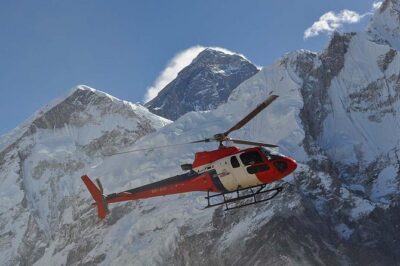
Everest Base Camp Trek with Helicopter Return from Gorakshep to Lukla
Read our review →Browse the lists this tour appears in