
REVIEW · EVEREST BASE CAMP TREKS
Everest Base Camp Trek from Kathmandu 12 Days
The mountains do most of the talking. This 12-day Everest Base Camp trek combines iconic Himalayan scenery with Sherpa villages, Buddhist monasteries, and a carefully paced route through the Khumbu region. I especially like the built-in acclimatization days in Namche Bazaar and Dingboche, plus the fact that flights, permits, lodging, guides, and airport transfers are included.
I also like the private format. Your group has its own guide rather than joining a large mixed party, and guides such as Milan, Bikram, Bishnu, and Sagar have received strong praise for kindness, organization, safety, and local knowledge. The main concern is the schedule itself: 12 days is a demanding amount of time for a high-altitude trek, so you need strong physical fitness and must be ready for long walking days over rocky ground.
In This Review
- Five things to know before you book
- Is $1,350 a good value?
- Day 1: Kathmandu to Lukla, then a short walk to Phakding
- Day 2: Suspension bridges and the climb to Namche Bazaar
- Day 3: A useful acclimatization day in Namche
- Day 4: Tengboche and its famous monastery
- Day 5: From Tengboche to Dingboche
- Day 6: Dingboche rest day and short local walks
- Day 7: The rough trail to Lobuche
- Day 8: Gorakshep and Everest Base Camp
- Day 9: Sunrise at Kala Patthar and descent to Pheriche
- Days 10 and 11: Returning through Namche, Phakding, and Lukla
- Day 12: The flight back to Kathmandu
- Guides, lodging, and the private format
- Who should book this trek?
- Should you book the Everest Base Camp trek?
- FAQ
- How long is the Everest Base Camp trek?
- Where does the trek begin?
- Is transportation from Kathmandu included?
- Is this a group tour or a private tour?
- What accommodation is included?
- Is a trekking guide included?
- Are permits included in the price?
- How physically fit do I need to be?
- What is the cancellation policy?
Five things to know before you book
- Lukla flights save time: The route begins with a flight from Kathmandu to Lukla, allowing you to reach the trekking region quickly.
- Namche and Dingboche include rest days: These breaks are used for short walks and acclimatization rather than complete inactivity.
- Base Camp comes before Kala Patthar: You reach Everest Base Camp on Day 8, then climb Kala Patthar early the next morning for the best stated viewpoint of the trek.
- Sherpa culture is part of the route: Namche Bazaar, Tengboche, Dingboche, and Pangboche offer villages, monasteries, and local life alongside the mountain views.
- The price covers major essentials: At $1,350 per person, the package includes round-trip Kathmandu to Lukla flights, permits, a TIMS card, lodging, transfers, and a guide.
- This is a private trek: Only your own group participates, which can make the pace and daily routine easier to manage.
Is $1,350 a good value?
At $1,350 per person, this trek is priced as a fairly complete package rather than a bare-bones guiding service. The cost includes hotel pickup and drop-off, round-trip domestic flights, trekking permits, a TIMS card, guesthouse accommodation, an English-speaking guide, and a first aid kit carried by the guide.
That matters because the flights and paperwork are not minor details. The Kathmandu to Lukla connection is the gateway to the route, and the permit arrangements require your passport details and a passport photo. Having the operator handle those pieces removes some of the work before departure.
The private format adds value for couples, families, and small groups who prefer to walk together. It can also help if your group needs a slower morning, a longer photography stop, or more time in a village. The package offers group discounts, though the exact savings are not stated.
The price does not cover personal expenses. You should therefore budget separately for anything personal during the trek. The information does not state porter service, meals, equipment rental, insurance, or extra accommodation beyond the included guesthouse stays, so you should ask the operator to confirm those points before paying.
The cancellation terms are simple but strict near departure. You can receive a full refund if you cancel at least three full days before the local start time. Cancellations or changes made inside that period are not accepted for a refund.
More Everest Base Camp treks:
- Everest Base Camp Trek – 14 Days
★ 5.0 · 1,499 reviews - Everest Base Camp Trekking
★ 5.0 · 485 reviews - Everest Base Camp Trekking – 13 Day
★ 5.0 · 365 reviews
Day 1: Kathmandu to Lukla, then a short walk to Phakding
The trip begins with a transfer to Kathmandu’s domestic airport for a scheduled morning flight to Lukla. The flight itself takes about one hour according to the schedule, and the short air connection gets you straight into the Everest trekking region.
At Lukla, you meet your trekking guide and begin walking toward Phakding. The first day includes about four hours of hiking, but the route is intentionally short compared with later stages. That is a sensible opening because your body needs time to adjust to the change in altitude and the physical rhythm of the trail.
Phakding is less about grand mountain drama and more about settling into the trek. You have time to get used to walking with a pack, crossing suspension bridges, and staying in simple mountain accommodation. Do not judge the whole experience by this first afternoon. The scenery grows more dramatic as you move toward Namche.
Day 2: Suspension bridges and the climb to Namche Bazaar
The walk to Namche Bazaar takes about six hours and follows the Dudh Koshi River through pine forest. The route includes several suspension bridges, which provide a memorable introduction to the trail and its river valleys.
Namche is one of the most important settlements in the Khumbu region. It is both a trading center and a place where many trekkers pause before going higher. The approach is a real step up in effort, with a sustained climb after the river crossings.
I like the timing here because the itinerary does not rush straight onward. You arrive in Namche on Day 2, then stay again on Day 3. That extra night gives you a better chance to adjust before the trail reaches higher villages.
Day 3: A useful acclimatization day in Namche
A rest day at Namche does not mean sitting indoors all day. The plan suggests a short hike to Thame, a visit to Khunde, or time exploring Namche itself. The listed activity lasts about five hours, so you still remain active without advancing to another overnight stop.
This is one of the strongest parts of the schedule. Walking at a moderate pace during a rest day helps you stay loose and gives you a chance to see more of the local area. You can also use the day to ask your guide about the route ahead, check your equipment, and conserve energy for the higher sections.
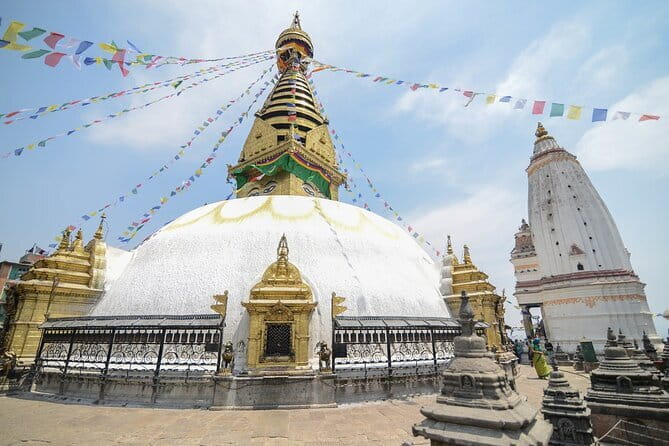
Namche is also where the cultural side of the trek becomes more noticeable. You are walking through a Sherpa community rather than passing through an empty wilderness. Buddhist features, village life, and the mountain economy are all part of the experience.
More walking in the hills of Kathmandu:
- Nagarkot Sunrise View and Day Hiking from Kathmandu
★ 5.0 · 471 reviews - Annapurna Circuit Trek with Tilicho Lake
★ 5.0 · 368 reviews - Everest Base Camp Trek -14 Days
★ 5.0 · 321 reviews - Annapurna base camp trek 5 Days
★ 5.0 · 252 reviews
Day 4: Tengboche and its famous monastery
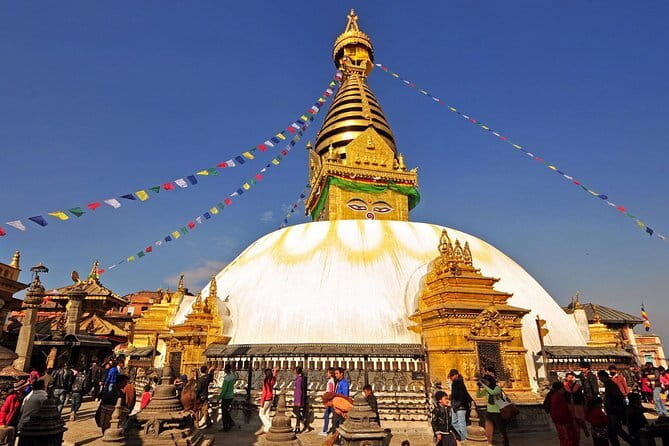
The route from Namche to Tengboche takes about six hours. The trail is described as dusty and winding, with some climbs and descents but enough time for photos. That balance is welcome because this section is known for broad mountain views.
Tengboche is especially valuable for its monastery and its setting among the high peaks. The monastery is one of the cultural highlights of the route, and the views from the area make it a natural place to stop and look around rather than simply arrive, eat, and sleep.
The walk can feel long because of the winding trail and changing elevation. You should not expect every hour to deliver a postcard view. The reward comes from the combination of monastery, village, and mountain scenery at the end of the day.
Day 5: From Tengboche to Dingboche
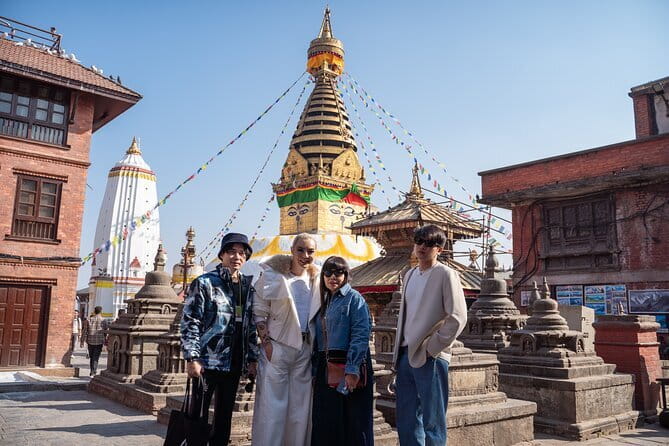
The trek to Dingboche takes around seven hours. The day begins with a visit to the region’s oldest Buddhist monastery, then continues through alpine woodland toward Upper Pangboche.
Pangboche is a significant settlement on the route, followed by Shomare and Orsho before Dingboche. The changing vegetation gives this day a different feel from the lower trail near Phakding and Namche. The villages also make the human side of the journey clear: even at increasing altitude, this is a lived-in region with long-established communities.
This is a demanding day. Seven hours of walking can feel substantial even before the route reaches its highest points. Keep your pace controlled, listen to your guide, and treat the arrival in Dingboche as a time to recover rather than a chance to keep pushing.
Day 6: Dingboche rest day and short local walks
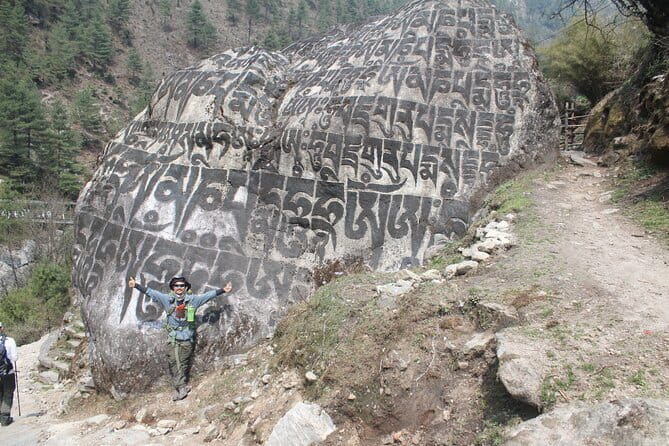
Dingboche receives its own acclimatization day. The suggested plan includes visiting the village and nearby areas, with about five hours of activity.
This pause is valuable because the next two days take you toward Lobuche, Gorakshep, and Base Camp. You are not simply collecting destinations. You are giving your body time to cope with the higher route while still moving enough to stay comfortable.
Dingboche also gives you a quieter look at daily life in the Khumbu. The information provided does not promise a particular excursion or viewpoint, so your exact walk will depend on the guide and conditions. That flexibility is useful in a private group, but you should ask what hike is planned when you arrive.
Day 7: The rough trail to Lobuche
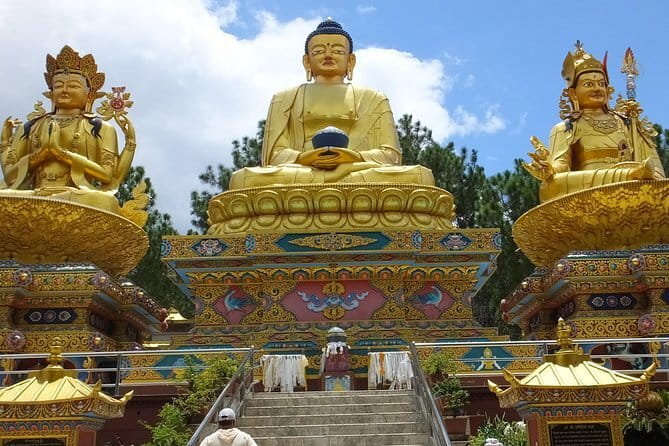
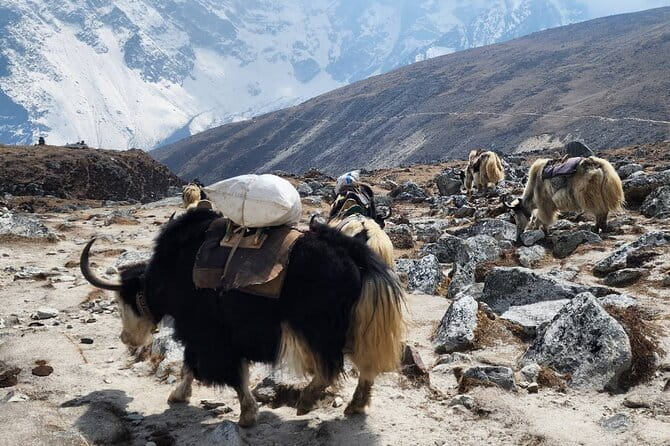
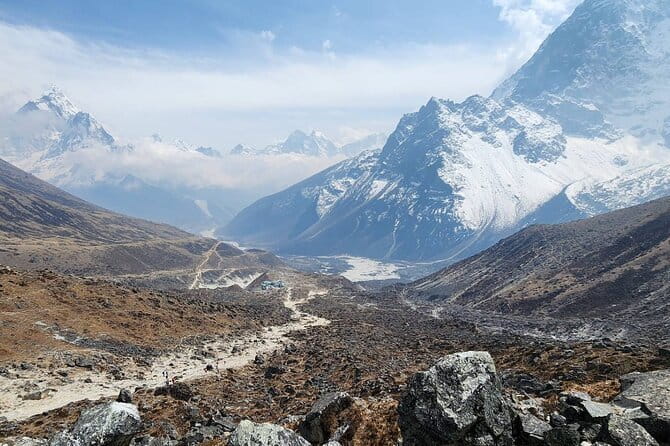
The route from Dingboche to Lobuche takes about seven hours and climbs through the Khumbu Khola valley toward Duglha. As the valley narrows near Dusa, the walking becomes rougher, with large boulders and passing mountain yaks.
This is one of the more physically serious days. Rocky ground demands attention, and the combination of altitude, duration, and uneven footing can slow you down. The trail is not presented as an easy scenic stroll, so your fitness needs to be more than average.
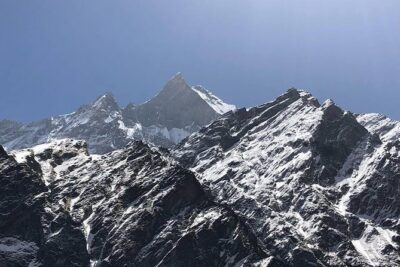
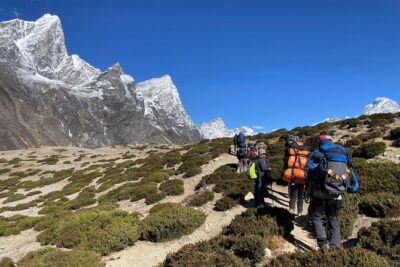
The setting changes as you move deeper into the high country. The broad village feel of lower stops gives way to a more exposed route of rock, ice, and open mountain terrain. It is a good day to keep your camera ready, but do not let photography turn the walk into a race against daylight.
Day 8: Gorakshep and Everest Base Camp
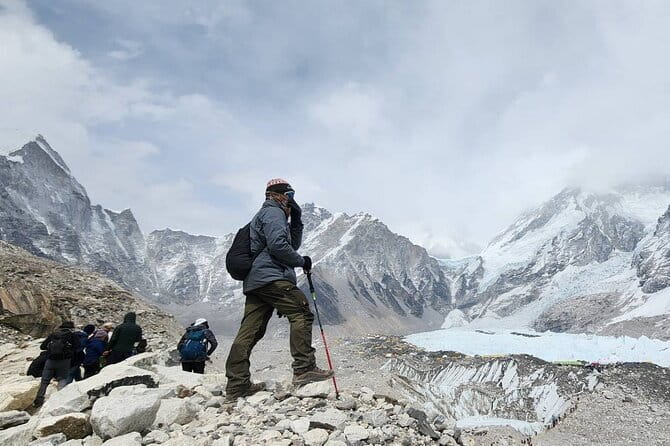
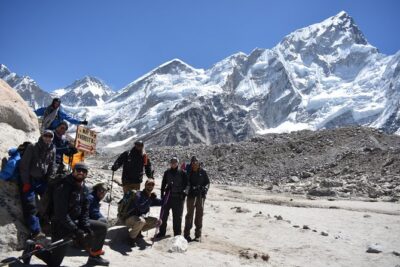
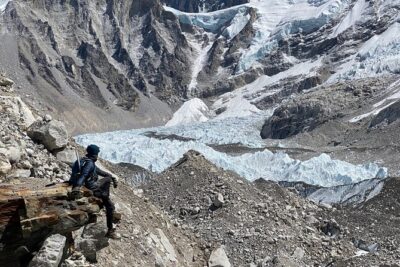
The morning walk to Gorakshep takes about three hours. The trail follows the side of the Khumbu Glacier and passes the pyramid signpost before climbing toward Thangma Riju, where you can take in views of Everest and surrounding peaks.
Gorakshep is the staging point for Base Camp. From there, the trek to Everest Base Camp takes about two hours, followed by another two-hour return to Gorakshep. That makes for a meaningful but tiring out-and-back walk.
Base Camp is the emotional high point of the trip. You reach the destination associated with the world’s highest mountain and spend time taking in the surrounding peaks and glacier terrain. The route includes views of Everest, Lhotse, Nuptse, Makalu, and other snow-covered summits.
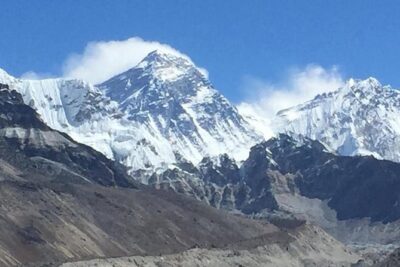
One practical point is easy to miss: Everest is not necessarily framed from Base Camp in the same way it is from Kala Patthar. Base Camp gives you the destination and the Khumbu Glacier setting. The next morning offers the major viewpoint experience.
Day 9: Sunrise at Kala Patthar and descent to Pheriche
The day starts early with a climb to Kala Patthar. The walk takes about three hours, and the viewpoint is described as one of the finest places on the trek for dramatic mountain views.
An early start is important here because the plan is built around morning scenery. From Kala Patthar, you can look toward Everest and the surrounding peaks before descending to Gorakshep. After some rest, you continue down to Pheriche, a four-hour section.
This is a demanding two-part day. You gain elevation early, return to Gorakshep, then descend for several more hours. The descent may feel easier for your breathing, but tired legs still need care on rocky ground.
Days 10 and 11: Returning through Namche, Phakding, and Lukla
Day 10 retraces the route toward Namche Bazaar and takes about six hours. You pass through Pheriche and nearby Sherpa villages, then continue through the wide Khumbu Khola valley toward the terminal moraines at Duglha.
Walking the same route in reverse lets you notice details missed on the way up. It also changes the physical challenge. Going down reduces the strain of climbing, but uneven terrain can be hard on knees and tired muscles.
Day 11 continues to Phakding in about three hours, followed by another three-hour walk to Lukla. The trail passes through pine and rhododendron forests before you reach the overnight stop.
The final day on foot is not just a formality. You still need to manage your pace and keep enough energy for the airport transfer the next morning. The private format should make it easier to discuss breaks and timing with your guide.
Day 12: The flight back to Kathmandu
The return flight from Lukla to Kathmandu takes about 35 minutes, followed by a transfer to Thamel. The full day is listed at about five hours, allowing for the flight and ground transport.
The flight arrangement has received praise for being well organized and running on time, though all air travel can be affected by conditions outside the operator’s control. Keep your final Kathmandu plans flexible if possible.
The return to Thamel gives you a clear change of pace after nearly two weeks in the mountains. You finish with the major logistics handled, including the flight back and city drop-off.
Guides, lodging, and the private format
The guide may shape your experience as much as the peaks do. Milan is praised for kindness and care, while Bikram receives strong marks for planning, safety, flexibility, and support with tea house arrangements. Bishnu is also praised for local knowledge and encouragement, and Sagar is noted for careful organization.
The wording around accommodation is simple: you stay in guesthouses. Expect a basic mountain lodging experience rather than a resort-style holiday. The package does not provide detailed room, bathroom, meal, or heating information, so ask for those details before booking.
The guide carries a first aid kit, and the tour requires a strong level of physical fitness. That does not replace travel insurance or personal medical preparation. The information provided does not state an evacuation policy, insurance coverage, or a detailed altitude protocol, so those are sensible questions to raise with My Dream Adventure.
Who should book this trek?
I would point this trip toward someone who wants the classic Everest route with the major transport and permit details arranged. It suits a physically fit person who enjoys long walking days, simple accommodation, high mountain scenery, and cultural stops rather than comfort-focused sightseeing.
The private setup is particularly useful for a small group that wants shared decision-making. It is also a good match for first-time visitors to the region who want an English-speaking guide and a fixed route.
I would hesitate if you want a relaxed holiday, dislike basic guesthouses, or cannot commit to strenuous walking. The schedule includes several six- and seven-hour days, rough ground, steep sections, and high-altitude stops. You should also confirm exactly what personal costs remain outside the $1,350 price.
Should you book the Everest Base Camp trek?
You should book it if your priority is reaching Everest Base Camp within a compact 12-day plan and you value local guides, private arrangements, and included Kathmandu to Lukla flights. The strongest features are the two acclimatization days, the combination of mountain views and Sherpa culture, and the repeated praise for guides such as Bikram and Milan.
You should pause before booking if you need a slower itinerary or more detail about meals, porters, insurance, equipment, and accommodation. Ask those questions first, then check your fitness honestly. For a prepared walker who wants the classic route without arranging every permit and transfer alone, this is a strong-value Everest package.
FAQ
How long is the Everest Base Camp trek?
The experience lasts approximately 12 days, beginning and ending in Kathmandu.
Where does the trek begin?
The trek begins with a flight from Kathmandu to Lukla. Walking starts in Lukla after you meet the trekking guide.
Is transportation from Kathmandu included?
Yes. Hotel pickup and drop-off are included, along with round-trip flights between Kathmandu and Lukla.
Is this a group tour or a private tour?
It is a private tour. Only your own group participates.
What accommodation is included?
Guesthouse accommodation is included during the trek. Further details about rooms and facilities are not provided.
Is a trekking guide included?
Yes. An English-speaking trekking guide is included, and the guide carries a first aid kit.
Are permits included in the price?
Yes. The package includes a trekking permit and a TIMS card.
How physically fit do I need to be?
You need a strong level of physical fitness. The itinerary includes walking days of about six or seven hours, rocky sections, climbs, descents, and high-altitude stops.
What is the cancellation policy?
You can receive a full refund if you cancel at least three full days before the experience begins. Cancellations or changes made less than three full days before the local start time are not accepted for a refund.
New in the Kathmandu listings
- Traditional Momo Making Class★ 5.0 · 10 reviews
- Kathmandu: Ancient City Kirtipur & Pharping Monastery Tour★ 5.0 · 2 reviews
- Women Empowerment Project(Nepali cooking class & jewelry workshop★ 5.0 · 15 reviews
- Kathmandu to Pokhara Premium sofa bus ticket★ 4.0 · 17 reviews
- 7-Day Langtang Valley Trek from Kathmandu★ 5.0 · 1 review
- Kathmandu 2 Nights 3 Days Chitwan Jungle Safari Tour★ 5.0 · 9 reviews
- Yoga Experience Day Trip with Private Transfer From Kathmandu★ 4.0 · 2 reviews
- Wildlife Adventure in Chitwan Nepal★ 4.0 · 4 reviews
Everest Base Camp Treks, compared.
Everest Base Camp Trek with Helicopter Return from Gorakshep to Lukla
Read our review →Browse the lists this tour appears in