
REVIEW · EVEREST BASE CAMP TREKS
Everest Base Camp Trek Via Gokyo Lake and Cho La Pass
Two famous routes, one demanding Himalayan circuit. This 14-day private trek links Everest Base Camp with the quiet Gokyo Lakes and the icy Cho La Pass, giving you far more variety than the standard route. I especially like the Gokyo Valley detour and the support of a licensed guide, porter team, emergency oxygen, and planned teahouse stays.
The $1,000 price is strong value because it includes Lukla flights, permits, meals, accommodation, airport transfers, and staff. I also like the way the itinerary makes room for Namche acclimatization and a sunrise climb to Kala Patthar. The main drawback is clear: Cho La Pass and high altitude demand good fitness, patience, and proper gear.
In This Review
- Key points at a glance
- Why this route is more rewarding than the standard base camp trek
- Kathmandu arrival, briefing, and the Lukla flight
- Namche Bazaar gives you time to adjust
- Tengboche and Dingboche bring bigger views
- Lobuche and the approach to Base Camp
- Kala Patthar provides the best Everest viewpoint
- Cho La Pass is the toughest day
- Gokyo Lakes offer a quieter reward
- The descent through Dole, Khumjung, and Lukla
- What the $1,000 price really covers
- Guides, food, and the human side of the trek
- Who should book this trek?
- FAQ
- Where does the trek start?
- How long does the trek last?
- Is the Kathmandu to Lukla flight included?
- Are meals included during the trek?
- Where do I sleep during the trek?
- Is Cho La Pass part of the route?
- What fitness level is required?
- Is trekking gear included?
- Is this a group tour?
- Should I book the Everest Base Camp trek via Gokyo and Cho La Pass?
Key points at a glance
- Cho La Pass adds the real adventure: The icy crossing is the hardest part of the route and requires an early start.
- Gokyo gives you a second side of Everest: Quiet lakes, broad mountain views, and a less direct route make this more than a basic base camp trek.
- Everest Base Camp is only one part of the journey: You also visit Kala Patthar, Tengboche Monastery, Namche Bazaar, and Sherpa villages.
- The $1,000 package covers major costs: Flights, meals, permits, teahouses, guide, porter support, and transfers are included.
- This is a private trip: Only your group participates, with a guide and porter ratio of one porter for every two people.
- The itinerary includes useful altitude breaks: Namche gets an acclimatization day before you climb higher.
Why this route is more rewarding than the standard base camp trek
The usual Everest Base Camp route already delivers huge mountain views and a famous goal. This version adds two major rewards: Gokyo Lakes and Cho La Pass.
You first approach Everest through the classic Khumbu route, passing Namche Bazaar, Tengboche, Dingboche, Lobuche, and Gorak Shep. After reaching Base Camp, you turn toward Kala Patthar and Dzongla instead of simply retracing your steps.
That change matters. You see the Khumbu Glacier and Everest Base Camp, then experience a quieter valley, a high mountain pass, and the Gokyo Lakes before descending through Dole and Khumjung. The route feels like a complete circuit rather than an out-and-back walk.
I like this design because the trip has several clear high points. Everest Base Camp provides the famous destination. Kala Patthar provides the sunrise view. Cho La supplies the physical challenge. Gokyo offers a calmer finish before you return to Namche and Lukla.
The trade-off is that you do not get the easiest version of the Everest trek. The route is longer in practical effort, and the Cho La crossing adds a serious high-altitude section. You should choose it for variety and challenge, not simply because it sounds impressive.
More Everest Base Camp treks:
- Everest Base Camp Trek – 14 Days
★ 5.0 · 1,499 reviews - Everest Base Camp Trekking
★ 5.0 · 485 reviews - Everest Base Camp Trekking – 13 Day
★ 5.0 · 365 reviews
Kathmandu arrival, briefing, and the Lukla flight
Your journey begins at Tribhuvan International Airport in Kathmandu, where a guide meets you with a sign bearing your name. Airport transfer and one hotel night with breakfast are included.
The first day also includes a trek briefing and gear check. This is a useful part of the program, especially if you need to confirm that your boots, jacket, poles, and other equipment are ready for cold and high conditions. Personal trekking gear is not included, but you can rent it in Kathmandu.
The next morning brings the scenic domestic flight to Lukla. Round-trip Kathmandu to Lukla flights are included in the package, which removes one of the largest extra costs from the trip. Flights in this region depend on weather, so you should keep some flexibility in your wider Nepal plans.
From Lukla, you begin walking through Sherpa villages toward Phakding. This opening section gives you a gentle start before the path gains more height. The route is not just a transfer to the mountains. You begin on foot, beside the Dudh Koshi River, with villages and suspension bridges setting the tone for the days ahead.
Namche Bazaar gives you time to adjust
The walk toward Namche includes suspension bridges and entry into Sagarmatha National Park. You also get your first possible glimpse of Everest, though mountain views can depend on cloud and weather.
Namche Bazaar is more than a place to sleep. It is the main settlement on this part of the route, and the schedule gives you an extra day here for acclimatization. That rest day is one of the most sensible features of the plan. You can take an optional hike to the Everest View Hotel at 3,880 meters, explore the local market, or visit the Sherpa museum.
I would use this day carefully. The optional hike is worthwhile because it gives you a scenic reason to walk while still returning to Namche. The market and museum offer a break from the trail and give you more contact with Sherpa culture than a quick overnight stop would allow.
The first days can feel deceptively easy. You may be walking at a manageable pace, but altitude begins to affect sleep, appetite, and energy for some people. The schedule does not eliminate that risk, yet the Namche stop gives your body a useful chance to adjust before the higher valleys.
Tengboche and Dingboche bring bigger views
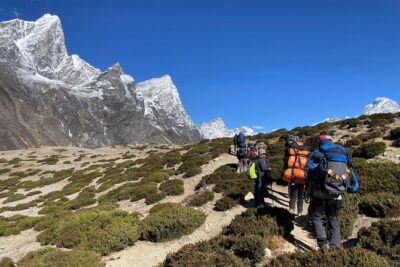
From Namche, the trail leads toward Tengboche through pine forest, with views of Thamserku and Everest. Tengboche Monastery is the main cultural stop, and it gives the route a sense of place beyond mountain scenery.
The monastery visit is valuable because Sherpa life and Buddhist practice are part of the setting you are walking through. This is a good point to slow down, listen to your guide, and take in the setting rather than treating the day as another distance target.
The next stage crosses the Imja Khola and continues through Pangboche toward Dingboche. At Dingboche, you begin to feel the altitude more clearly. The itinerary lists a shorter six-hour walking day here, which is helpful because the higher you go, the more even a moderate distance can tax you.
Dingboche is a turning point. Below it, the trail may feel like a demanding mountain walk. Above it, cold, thin air, and slower progress become central parts of the day. Follow your guide’s pace, drink regularly, and avoid judging your fitness by how quickly you walked in the lower valleys.
More walking in the hills of Kathmandu:
- Nagarkot Sunrise View and Day Hiking from Kathmandu
★ 5.0 · 471 reviews - Annapurna Circuit Trek with Tilicho Lake
★ 5.0 · 368 reviews - Everest Base Camp Trek -14 Days
★ 5.0 · 321 reviews - Annapurna base camp trek 5 Days
★ 5.0 · 252 reviews
Lobuche and the approach to Base Camp
The route continues through alpine scenery to Lobuche, with memorials to climbers along the way. These memorials give the walk a more serious mood. They remind you that Everest is not merely a scenic backdrop or a trophy destination.
The move from Dingboche to Lobuche is gradual, but altitude makes gradual climbing important. You should expect your walking rhythm to change. Short breaks may become more useful than trying to maintain a fast pace.
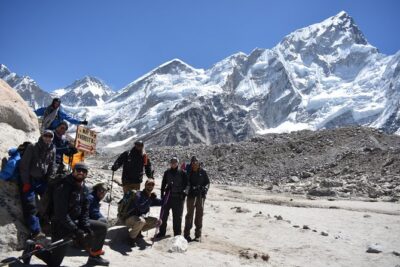
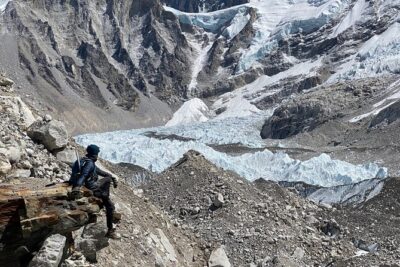
From Lobuche, you continue to Gorak Shep and follow the Khumbu Glacier toward Everest Base Camp. The Base Camp walk is a full day, with time for photos and a return to Gorak Shep.
Reaching Base Camp is the emotional centerpiece for many people, but keep your expectations practical. The location is a working mountaineering base during climbing periods, not a permanent village or a museum. The real reward is the route there, the glacier, the scale of the peaks, and the knowledge that you have reached one of the best-known points in the Himalayas.
The return to Gorak Shep after the Base Camp walk makes for a long day. You should expect tired legs and limited comfort. Teahouse accommodation is included, but personal costs such as hot showers, Wi-Fi, and battery charging are extra.
Kala Patthar provides the best Everest viewpoint
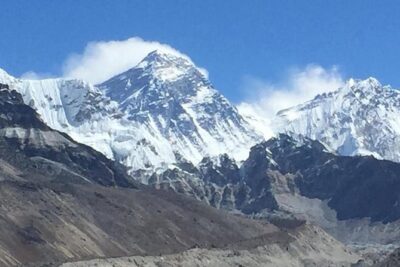
The next morning begins with a sunrise climb to Kala Patthar. This is one of the most important parts of the trip because Base Camp itself does not necessarily provide the clearest view of Everest.
Kala Patthar is the place to focus your camera and your attention. The early start means cold conditions and a demanding climb after the previous day, but the timing is designed for mountain views in the morning light. The itinerary then takes you down to Lobuche and onward to Dzongla.
That day changes the character of the trek. You have reached Base Camp, but the route is not finished. Instead of simply heading back by the familiar trail, you turn toward the Cho La section. Dzongla becomes the staging point for the pass crossing.
This is also where you need to be honest about your energy. The trip does not provide a rest day before Cho La. If you are feeling unwell or unusually weak, speak plainly with your guide. The safety support includes emergency oxygen, but oxygen is not a substitute for careful decisions and proper acclimatization.
Cho La Pass is the toughest day
Cho La is the adventure that separates this route from a standard Everest Base Camp itinerary. The crossing begins early, then takes you over an icy high pass before you descend into the Gokyo Valley.
The schedule allows about eight hours for this day. That figure gives you a sense of the commitment, though conditions can affect the pace. Snow and ice, altitude, and the steep nature of the crossing can make the pass feel much harder than the distance suggests.
You need suitable boots, warm layers, and reliable personal equipment. Poles can be useful, and the gear check in Kathmandu is the time to confirm that everything fits and works. Since personal gear is not part of the price, you must arrange these items yourself or rent them in Kathmandu.
I like the fact that the route crosses Cho La early in the day. Starting early is a sensible mountain practice, though it also means a cold beginning. The reward is a dramatic change of scenery as you descend toward Gokyo, where the mood becomes quieter and more open.
You should not book this route simply because you want to tick off three famous names. Cho La requires a moderate to strong level of physical preparation, and the information for the trip specifically calls for moderate fitness. For many people, the pass will be the day they remember most. It may also be the day that tests them most.
Gokyo Lakes offer a quieter reward
Arriving in Gokyo after Cho La feels like reaching a different side of the Everest region. The valley is known for its lakes and broad mountain views, and the schedule gives you time to explore rather than rushing straight back down.
The following morning includes a climb for views of Everest, Cho Oyu, and Makalu. You also visit the third and fourth Gokyo Lakes. This is a major reason to choose the longer route. You get famous Everest scenery, but you also see a high-altitude lake system and mountain views from a different direction.
Gokyo brings variety after the stark glacier and pass sections. The lakes provide quieter moments, while the surrounding peaks keep the setting grand. You may find this part more peaceful than the busier Base Camp approach.
The trip does not specify a separate named acclimatization day in Gokyo, so the time here is more focused on the morning climb and lake visits. Your guide remains important for pacing, weather judgment, and making sensible choices after Cho La.
The descent through Dole, Khumjung, and Lukla
From Gokyo, you descend past Machhermo, Dole, and Khumjung before returning to Namche. This is a seven-hour walking day, but descending does not always mean easy. Your knees may feel the strain, especially after the pass and the long Base Camp section.
Namche provides a welcome break, including the possibility of a hot shower and time to rest. Since hot showers are personal expenses, carry some local currency or confirm payment options with your guide.
The final trekking day follows the Dudh Koshi River toward Lukla. This seven-hour walk gives you one last chance to notice the villages, bridges, and river valley at a lower altitude. Lukla is your overnight base before the early flight back to Kathmandu.
The flight to Kathmandu takes about 35 minutes when operating as planned. Once back in the capital, you have free time for rest, shopping, or an optional massage. The trip ends at the original meeting point, with a hotel night or transfer available as an optional arrangement.
What the $1,000 price really covers
At $1,000 per person, the package offers good value for a 14-day private trek, especially because it includes two domestic flights. It also covers one Kathmandu hotel night with breakfast, 12 nights in twin-sharing teahouses, all breakfast, lunch, and dinner during the trek, permits, airport transfers, a guide, porter support, taxes, and service charges.
The guide and porter arrangement is one porter for every two people. That helps keep your load manageable without treating the staff arrangement as unlimited personal service. The duffel bag is provided for trekking gear and must be returned.
You still need to budget for international flights, the Nepal visa on arrival, Kathmandu lunches and dinners, personal gear, insurance, tips, and extras in the teahouses. Hot showers, Wi-Fi, and battery charging are specifically excluded. Extra hotel nights caused by flight delays or an early return are also your responsibility.
Travel insurance is mandatory. Given the remote setting, high altitude, weather risk, and domestic flights, insurance is not a box-ticking exercise. Check that your policy covers trekking at the elevations involved and possible delays, based on your own requirements.
Group discounts may reduce the per-person cost for larger parties. Because this is a private activity, only your group participates, which gives you more control over pace and conversation than a large mixed departure.
Guides, food, and the human side of the trek
The company supplies a licensed English-speaking guide and porter team. Good guiding matters here because the route includes altitude changes, weather-sensitive flights, and the Cho La crossing.
Specific guide names connected with other Nepal trips from the same company include Udio and Shisir. Shisir was praised for reassuring people during difficult moments and even swapping backpacks when the load became too heavy. Udio was described as friendly during a Ghandruk and Sarangkot trip. Those examples do not guarantee who will lead your Everest trek, but they suggest the kind of personal support you should expect to discuss before departure.
Food is included throughout the trek, and the company has been praised for good meals and organization on Everest journeys. Do not confuse included meals with restaurant-style choice at every stop. Teahouse food is part of the practical rhythm of the route, and the value comes from having breakfast, lunch, and dinner arranged each day.
The strongest praise connected with these trips centers on organization, guide support, food, and the sense of achievement after a hard trek. That matches the needs of this route. You are not only paying for a path through the mountains. You are paying for the transport, permits, staff, meals, and daily structure that make a difficult route possible.
Who should book this trek?
You should consider this route if you want the classic Everest experience but also want Gokyo Lakes and a high pass. It suits hikers who enjoy long days, changing scenery, basic teahouse accommodation, and a clear physical challenge.
It may suit a private group especially well. Friends, couples, or family members can share the same guide and porter arrangement without joining strangers. Group discounts may also improve the value.
You should think twice if your main goal is a gentle introduction to Nepal. The route reaches high altitude, includes an icy pass, and has demanding days around Base Camp and Kala Patthar. Moderate fitness is required, and your personal gear must be ready before you start.
Cancellation is free up to 24 hours before the experience begins. If poor weather cancels the trip, you are offered another date or a full refund. The same applies if the minimum number of participants is not met, although this is a private activity.
FAQ
Where does the trek start?
The trek starts with airport pickup at Tribhuvan International Airport in Kathmandu. The guide holds a sign with your name.
How long does the trek last?
The experience lasts approximately 14 days, ending with a flight from Lukla to Kathmandu.
Is the Kathmandu to Lukla flight included?
Yes. Round-trip domestic flights between Kathmandu and Lukla are included.
Are meals included during the trek?
Yes. Breakfast, lunch, and dinner are included during the trekking portion. Lunch and dinner in Kathmandu are not included.
Where do I sleep during the trek?
You stay in twin-sharing teahouse accommodation for 12 nights. One Kathmandu hotel night with breakfast is also included.
Is Cho La Pass part of the route?
Yes. The itinerary crosses Cho La Pass early in the morning between Dzongla and Gokyo.
What fitness level is required?
The trip requires a moderate physical fitness level. The high altitude, long walking days, and icy pass make it unsuitable for an easy walking holiday.
Is trekking gear included?
No. Personal gear such as boots, jackets, and poles is not included. You can rent equipment in Kathmandu.
Is this a group tour?
It is a private activity, so only your group participates. Group discounts are available.
Should I book the Everest Base Camp trek via Gokyo and Cho La Pass?
Book it if you want more than the standard Base Camp route and are prepared for a serious mountain trek. The combination of Everest Base Camp, Kala Patthar, Cho La Pass, and Gokyo Lakes gives you excellent variety for the price.
I would not choose it for a first hike without preparation, or if you want a relaxed schedule with plenty of spare days. For a fit private group that values good organization, included meals and flights, Sherpa culture, and a route with real challenge, this is a strong choice.
New in the Kathmandu listings
- Traditional Momo Making Class★ 5.0 · 10 reviews
- Kathmandu: Ancient City Kirtipur & Pharping Monastery Tour★ 5.0 · 2 reviews
- Kathmandu to Pokhara Premium sofa bus ticket★ 4.0 · 17 reviews
- Women Empowerment Project(Nepali cooking class & jewelry workshop★ 5.0 · 15 reviews
- 7-Day Langtang Valley Trek from Kathmandu★ 5.0 · 1 review
- Kathmandu 2 Nights 3 Days Chitwan Jungle Safari Tour★ 5.0 · 9 reviews
- Yoga Experience Day Trip with Private Transfer From Kathmandu★ 4.0 · 2 reviews
- Wildlife Adventure in Chitwan Nepal★ 4.0 · 4 reviews
Everest Base Camp Treks, compared.
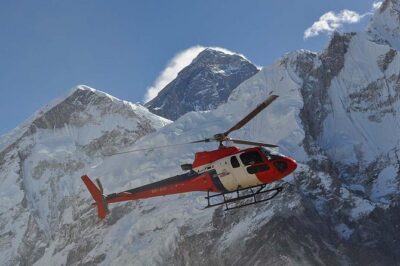
Everest Base Camp Trek with Helicopter Return from Gorakshep to Lukla
Read our review →Browse the lists this tour appears in