
REVIEW · EVEREST BASE CAMP TREKS
Everest Basecamp Trek: 14 days
Everest begins with a small plane. This 14-day trek combines dramatic Lukla flights, Sherpa villages, high mountain trails, and a sunrise climb to Kala Patthar before reaching Everest Base Camp. I like the careful acclimatization plan, especially the extra time at Namche Bazaar and Dingboche. I also like the strong value at $1,650 per person, since permits, flights, guides, porters, meals, and lodging are included. The main drawback is the altitude: you need moderate fitness, patience, and insurance that covers high-altitude evacuation.
The route gives you time to adjust instead of racing uphill. That matters more than squeezing in one extra viewpoint. You should also expect basic twin-sharing lodges, changing flight plans between Kathmandu and Manthali, and extra costs for drinks, Kathmandu meals, tips, and insurance.
In This Review
- Key points before you book
- Kathmandu arrival and a first evening in Thamel
- Lukla flights and the trail to Namche Bazaar
- Namche Bazaar acclimatization and the Syangboche hike
- Tengboche monastery and the route through Pangboche
- Dingboche and the Nangkartshang acclimatization hike
- Dughla, Lobuche, and the long approach to Base Camp
- Everest Base Camp and the pre-sunrise climb to Kala Patthar
- The long descent through Tengboche and Namche
- Flights back to Kathmandu and the value of the package
- Who should book this Everest trek?
- Should you book the 14-day Everest Base Camp Trek?
- FAQ
- How long does the Everest Base Camp trek take?
- Where does the tour begin?
- Are flights between Kathmandu and Lukla included?
- Is accommodation included?
- Are meals included during the trek?
- Are drinks and water included?
- Does the tour include a trekking guide and porters?
- Is travel insurance included?
- What level of fitness is required?
Key points before you book
- Two acclimatization stops: You spend time at Namche Bazaar and Dingboche, with short hikes to help your body adjust.
- Kala Patthar for the best Everest view: The pre-sunrise climb gives you the closest mountain panorama included on this route.
- Lukla flights are part of the adventure: Round-trip airfare is included, but flight arrangements can depend on weather and airport operations.
- Sherpa culture in real villages: Namche, Tengboche, Pangboche, and Dingboche make the trek more than a simple walk to a famous sign.
- A practical package price: Permits, 11 trekking nights, 14 breakfasts, 11 lunches, 11 dinners, guides, porters, and transfers are covered.
- Private group format: Only your own group participates, which can make the walking pace and daily routine easier to manage.
Kathmandu arrival and a first evening in Thamel
Your trip begins with airport pickup at Tribhuvan International Airport. The company representative meets you in the terminal with a sign showing your name and the company name, then takes you to Thamel.
Thamel is Kathmandu’s main tourist quarter, with travel offices, restaurants, hotels, nightclubs, and shops selling last-minute trekking gear. You have about four hours there on the first day. Use that time for practical errands rather than trying to see all of Kathmandu.
This is the place to check your warm layers, refill personal supplies, and settle into Nepal’s busy rhythm. The package includes two nights in a tourist-standard Kathmandu hotel with breakfast, but lunch and dinner in the capital are yours to pay for. That gives you freedom, though it means the $1,650 price is not fully all-inclusive.
The airport transfer and hotel arrangements remove some early hassle. After an international flight, that is useful. You do not need to negotiate transport while tired, and you have a set place to begin the trek.
More Everest Base Camp treks:
- Everest Base Camp Trek – 14 Days
★ 5.0 · 1,499 reviews - Everest Base Camp Trekking
★ 5.0 · 485 reviews - Everest Base Camp Trekking – 13 Day
★ 5.0 · 365 reviews
Lukla flights and the trail to Namche Bazaar
On Day 2, you fly to Lukla. The short flight is famous for its mountain views, but it is also one of the less predictable parts of the trip. The exact airport used for the flight can depend on conditions and the flight schedule. You may depart from Kathmandu, or you may first travel to Manthali airport.
Lukla Airport serves many trekkers heading into the Everest region. Once you land, the surroundings change quickly: roads give way to footpaths, porters and mountain staff become part of the scene, and the walking begins at once.
The route from Phakding toward Namche Bazaar is a serious first walking day. You follow the Dudh Koshi River, cross suspension bridges, pass small settlements, and climb steadily toward Namche. The trail is not technical, but the uphill sections can feel demanding after the flight.
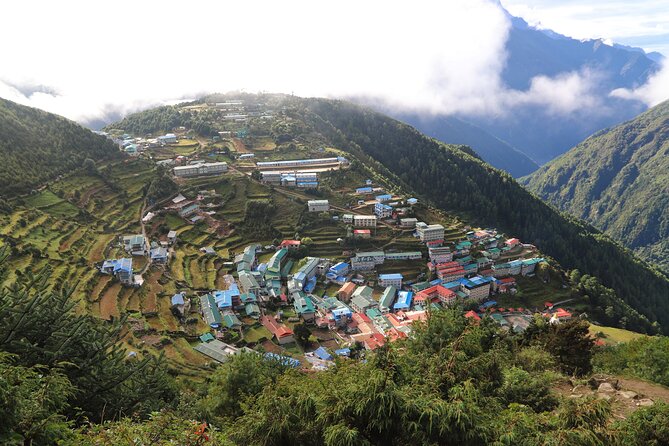
Namche Bazaar is one of the most developed settlements in the Khumbu region. You find hotels, tea houses, restaurants, and modern services here, but the town still works as a mountain trading center rather than a polished resort.
The schedule gives you extra time in Namche, and that is one of the best choices in the plan. You gain altitude quickly during the first two days, so treating Namche as a place to slow down is sensible. If you try to rush this section, the rest of the trek becomes much harder.
Namche Bazaar acclimatization and the Syangboche hike
The Namche rest day includes an early hike toward Syangboche. You spend about six hours around the area, walking high enough to help your body adjust before returning to sleep at a lower elevation in Namche.
The exact pace matters here. You are not trying to win the day. Walk slowly, drink regularly, and tell your guide if you develop a headache, unusual tiredness, dizziness, or nausea. The guide is described as government licensed, English-speaking, and trained in first aid, which is important on a high-altitude route.
Namche also gives you a chance to enjoy the human side of the trek. You can see how the settlement supports journeys into the Khumbu, with lodging, food, and supplies gathered around the trail. I like this stop because it breaks up the physical challenge with a proper village stay.
Your accommodation is twin-sharing in tourist-standard guesthouses during the trek. That is a practical arrangement, but do not expect city-hotel comfort. The package does not include bottled or boiled water, so budget for drinking water separately and follow your guide’s advice on safe hydration.
Tengboche monastery and the route through Pangboche
After Namche, the trail offers a fine mix of forest, river crossings, and broad mountain views. You descend toward the Dudh Koshi Valley, reach Phungi Thanka, then climb toward Tengboche. The walking day lasts about six hours.
Tengboche is special because of its monastery. The next morning, you have time to visit Tengboche Gompa before breakfast and continue toward the Imja River. This gives the route a cultural center, not just a sequence of altitude numbers.
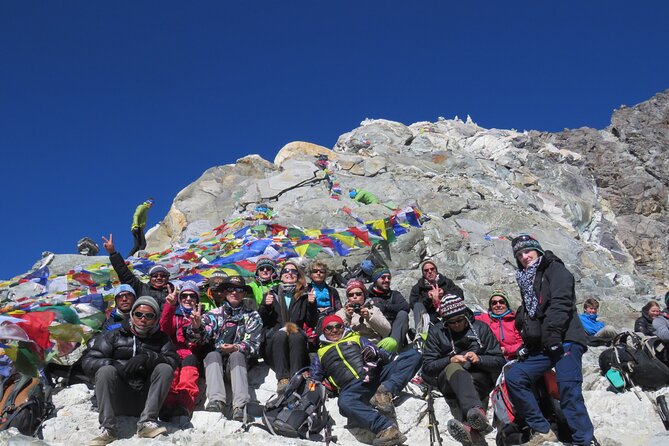
From Tengboche, the path passes Pangboche and follows the Imja Valley. Prayer flags, monasteries, and village paths add a sense of place to the walk. I like that the schedule includes time for the monastery instead of treating it as a quick photo stop.
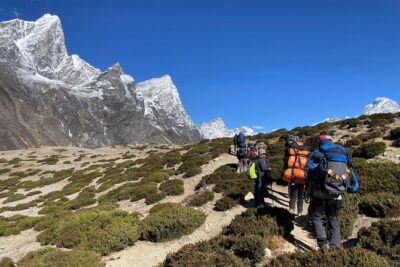
The terrain changes as you climb. Lower sections are greener and more sheltered, while higher areas feel more open and spare. The walking can be tiring, but the gradual change helps you understand how quickly the Khumbu shifts with altitude.
This is also where the route starts to feel more remote. Guesthouse facilities remain part of the plan, but comfort becomes simpler and the weather can feel sharper. Pack layers you can add or remove without unpacking your whole bag.
More walking in the hills of Kathmandu:
- Nagarkot Sunrise View and Day Hiking from Kathmandu
★ 5.0 · 471 reviews - Annapurna Circuit Trek with Tilicho Lake
★ 5.0 · 368 reviews - Everest Base Camp Trek -14 Days
★ 5.0 · 321 reviews - Annapurna base camp trek 5 Days
★ 5.0 · 252 reviews
Dingboche and the Nangkartshang acclimatization hike
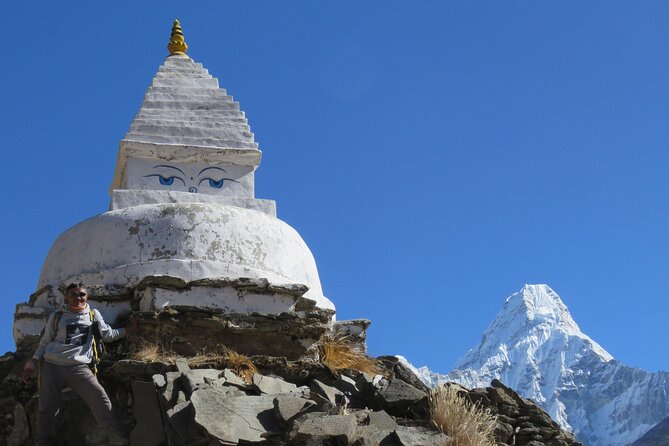
The plan includes another rest day around Dingboche, with a short hike to Nangkartshang Peak. The listed walking time is about one hour, so this is not meant to be a major summit attempt. Its value is in gentle movement and altitude adjustment.
Dingboche is an important pause before the route climbs toward Lobuche, Gorak Shep, and Base Camp. At this point, you should be especially honest about how you feel. Fitness helps, but altitude affects people differently, and being strong at sea level does not guarantee an easy high-altitude day.
I like the use of two acclimatization areas. Namche comes earlier, when your body is first reacting to the climb. Dingboche comes later, before the most demanding section. That spacing is more responsible than a schedule that simply pushes upward every day.
The itinerary descriptions refer to a rest day at Dingboche and a Nangkartshang hike, so check the final day-by-day plan with the operator before departure. The broad route is clear, but the daily wording leaves some details less precise than the major highlights.
Dughla, Lobuche, and the long approach to Base Camp
Leaving Dingboche, you walk through increasingly bare terrain toward Dughla. The trail follows a glacial route, then climbs more steeply toward Lobuche. This is one of the days when the scenery may be magnificent and your legs may have other opinions.
The walk is not described with a fixed duration for this section, so your guide’s pace and conditions will matter. You should expect a slow day, with plenty of stops if needed. The goal is not speed. It is reaching the next lodge in good condition for the Base Camp push.
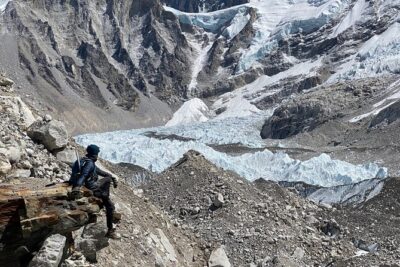
From Lobuche, the route climbs beside the Khumbu Glacier toward Gorak Shep. The path can feel rough and demanding, with uneven ground and a steady need to watch your footing. Gorak Shep was once used as an Everest Base Camp, and it serves as the high settlement for this part of the trek.
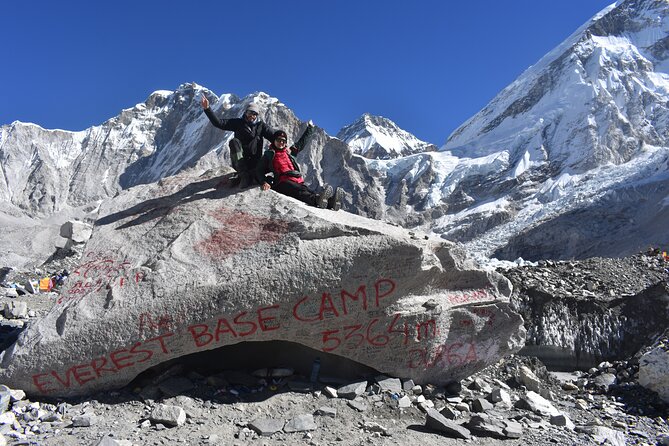
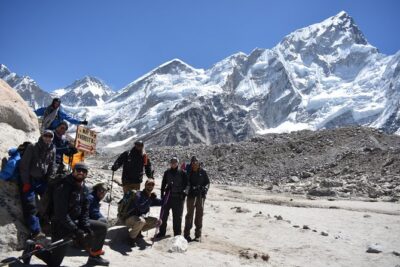
The final walk to Everest Base Camp takes about two hours from Gorak Shep. You follow the glacier and reach the famous destination, though the view from Base Camp itself is not the same as the broad Everest panorama from Kala Patthar.
That distinction is useful. Base Camp gives you the achievement and the close connection with the climbing route. Kala Patthar gives you the stronger mountain view. The tour includes both, so you do not have to choose between the symbolic destination and the classic viewpoint.
Everest Base Camp and the pre-sunrise climb to Kala Patthar
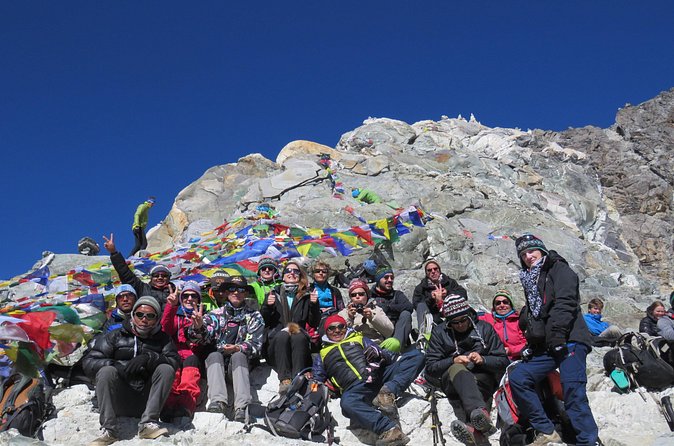
Reaching Everest Base Camp is the emotional high point of the trip. The route from Lobuche through Gorak Shep and along the Khumbu Glacier makes the approach feel earned rather than decorative.
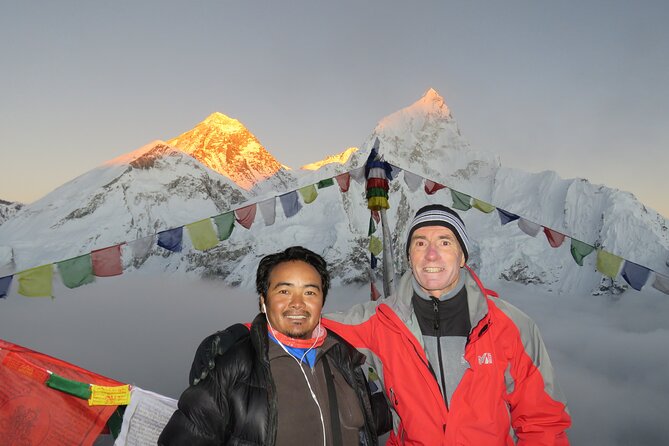
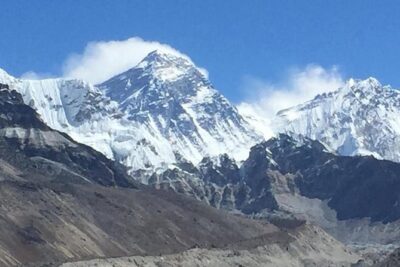
The next morning begins early, before sunrise, with a climb to Kala Patthar. The viewpoint sits above Gorak Shep and is known for a close view of Mount Everest and the surrounding peaks. The walk is listed at about two hours, but the thin air can make that short distance feel much longer.
Go slowly. Keep your hands warm, carry water, and bring a headlamp if your guide advises it. The pre-sunrise timing means cold conditions and low light, but it also gives you the chance to see the mountains change color as daylight arrives.
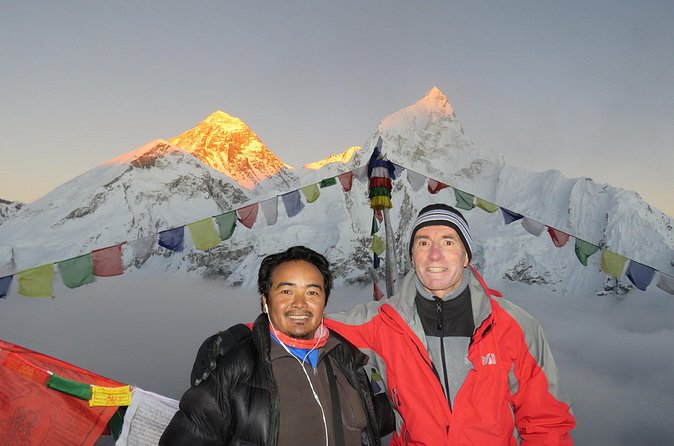
This is probably the most visually rewarding part of the route. Base Camp is the achievement, but Kala Patthar is where the mountain panorama makes the effort clear. If you want the best return from your camera, protect the battery from the cold and keep the camera accessible.
The long descent through Tengboche and Namche
After the high point, the route returns through the villages you passed earlier. You descend toward Namche via Pangboche and Tengboche, crossing suspension bridges and retracing familiar sections of trail.
Downhill walking sounds easy, but it can be hard on knees and tired feet. Trekking poles may help, although the package does not specify equipment rental. You should also resist the urge to race simply because the air feels easier at lower elevations.
The schedule then continues from Namche through forested paths and smaller settlements. The route crosses the Dudh Koshi River several times on suspension bridges before returning toward Lukla.
The lower trail may feel more comfortable after the high section, but it still requires long days on foot. Your guide and porter arrangement should reduce the load you carry. One porter is provided for every two clients, so pack with that shared carrying system in mind.
Flights back to Kathmandu and the value of the package
On Day 13, you fly from Lukla back to Kathmandu. The aerial views are another highlight, but the flight remains subject to the same operational uncertainty as the outbound journey. Keep your final international departure plans sensible and avoid booking a tight same-day connection.
Once in Kathmandu, the company provides hotel drop-off. You have time to rest before leaving Nepal on Day 14, when a representative takes you to the airport according to your departure time.
At $1,650, the package offers good value for a supported 14-day trek. It includes round-trip Kathmandu to Lukla airfare, permits, private transport, airport transfers, 11 nights of trekking accommodation, two Kathmandu hotel nights with breakfast, a guide, porters, and most meals during the trek.
The costs left to you are important. You pay for Kathmandu lunches and dinners, drinks and water, international airfare, departure tax, tips, and travel insurance with high-altitude emergency evacuation coverage. Insurance is not a luxury on this route. Make sure the policy specifically covers trekking at the elevations involved.
The private format also adds value if you prefer your own group rather than a large shared departure. Only your group participates, which may make it easier to discuss pace, rest stops, and daily concerns with the guide.
Who should book this Everest trek?
I would choose this trip if you want a structured Everest Base Camp route without arranging permits, flights, lodging, porters, meals, and transfers separately. It suits people who want a guided challenge and who value built-in acclimatization days.
You should have moderate physical fitness and be comfortable walking uphill and downhill for several hours. The trek is not a sightseeing holiday with a few short walks. It requires repeated effort, basic guesthouse living, early starts, and patience with mountain transport.
The plan may also suit a private family group or a small circle of friends, provided everyone accepts the same pace and altitude demands. Group discounts are offered, though the exact savings are not stated, so ask for the current rate before booking.
The 14-day schedule is useful, but you should confirm the precise flight arrangements and daily lodge locations before departure. The published outline is clear about the major stops, while some day descriptions do not state walking times or spell out every overnight point.
Should you book the 14-day Everest Base Camp Trek?
Book it if you want a well-supported route with two acclimatization periods, both Base Camp and Kala Patthar, and a price that covers the major costs. The top rating across four submitted reviews supports confidence in the operator, though that is still a small sample and should not replace checking current insurance and flight terms.
Think twice if you dislike basic lodging, shared rooms, uncertain flight schedules, or long uphill walks. For the right person, this is a sensible way to reach Everest Base Camp, meet the Khumbu through its villages and monasteries, and return with the major logistics already handled.
FAQ
How long does the Everest Base Camp trek take?
The trip lasts approximately 14 days, including arrival and departure in Kathmandu, flights to and from Lukla, the trek, acclimatization days, and hotel stays.
Where does the tour begin?
The tour begins at Tribhuvan International Airport in Kathmandu, Nepal. A representative meets you there and transfers you to Thamel.
Are flights between Kathmandu and Lukla included?
Yes. Round-trip airfare between Kathmandu and Lukla is included. The flight may operate from Kathmandu airport or Manthali airport, depending on flight conditions and arrangements.
Is accommodation included?
Yes. The package includes two nights in a tourist-standard hotel in Kathmandu with breakfast and 11 nights in twin-sharing guesthouses in the Everest region.
Are meals included during the trek?
Breakfast is included for 14 days, along with 11 lunches and 11 dinners. Lunch and dinner in Kathmandu are not included.
Are drinks and water included?
No. Bottled water, boiled water, and other beverages are not included in the price.
Does the tour include a trekking guide and porters?
Yes. The package includes an English-speaking, government licensed, first-aid trained trekking guide. Porters are provided at a rate of one porter for every two clients.
Is travel insurance included?
No. You must arrange your own travel insurance, including high-altitude emergency evacuation coverage.
What level of fitness is required?
The tour requires a moderate level of physical fitness. You should be prepared for repeated uphill and downhill walking, suspension bridges, and high-altitude trekking over several days.
New in the Kathmandu listings
- Traditional Momo Making Class★ 5.0 · 10 reviews
- Kathmandu: Ancient City Kirtipur & Pharping Monastery Tour★ 5.0 · 2 reviews
- Kathmandu to Pokhara Premium sofa bus ticket★ 4.0 · 17 reviews
- Women Empowerment Project(Nepali cooking class & jewelry workshop★ 5.0 · 15 reviews
- 7-Day Langtang Valley Trek from Kathmandu★ 5.0 · 1 review
- Kathmandu 2 Nights 3 Days Chitwan Jungle Safari Tour★ 5.0 · 9 reviews
- Yoga Experience Day Trip with Private Transfer From Kathmandu★ 4.0 · 2 reviews
- Wildlife Adventure in Chitwan Nepal★ 4.0 · 4 reviews
Everest Base Camp Treks, compared.
Everest Base Camp Trek with Helicopter Return from Gorakshep to Lukla
Read our review →Browse the lists this tour appears in