
REVIEW · EVEREST BASE CAMP TREKS
From Kathmandu: 12-Day Everest Base Camp Guided Trekking
The trail earns every hard-won view. This 12-day route gives you the classic Everest Base Camp experience, from the short flight to Lukla through Namche Bazaar, Dingboche, Gorakshep, and Kala Patthar. I like the two planned acclimatization days, and I like that the price covers permits, lodges, domestic flights, and guide costs rather than leaving the core arrangements to you. The main concern is simple: this is a demanding high-altitude trek, and meals, porter service, drinks, showers, internet, and travel insurance cost extra.
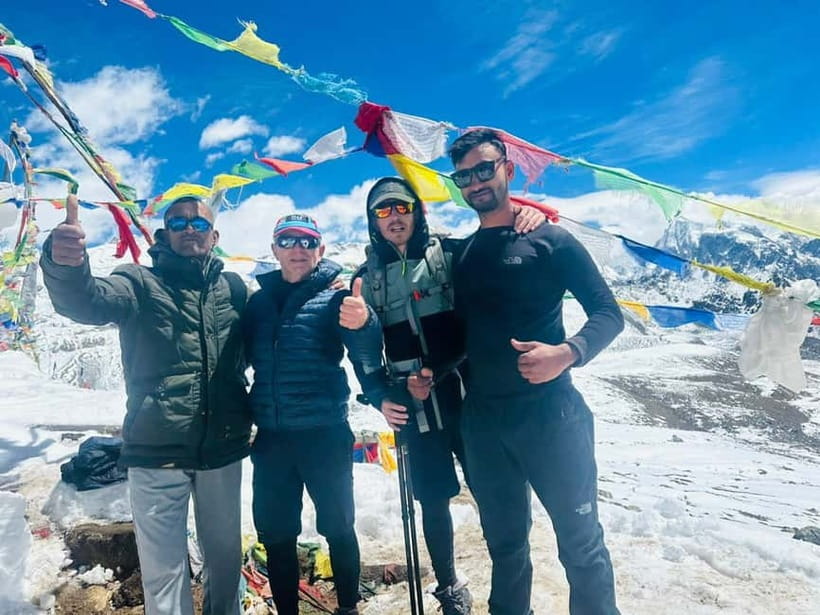
The guiding is another strong point. Padam, Nishan, Adhish, Rohan, and others have earned warm praise for being attentive, funny, flexible, and reassuring when the walking became difficult. You should still prepare for cold nights and basic tea house comfort, especially in December and at the highest villages.
In This Review
- Key points before you book
- What the $1,002 price really covers
- Day 1: Kathmandu to Lukla, then the short walk to Phakding
- Day 2: The river route to Namche Bazaar
- Day 3: A needed acclimatization day in Namche
- Day 4: Namche Bazaar to Tyangboche at 3,867 meters
- Day 5: Rhododendron forest and the Imja Valley
- Day 6: Second acclimatization night in Dingboche
- Day 7: Dingboche to Lobuche via Dugla
- Day 8: Lobuche to Everest Base Camp through Gorakshep
- Day 9: Kala Patthar at 5,545 meters, then down to Pheriche
- Days 10 and 11: The return through Tyangboche and Namche
- Day 12: The scenic flight back to Kathmandu
- Guides, group size, and the human side of the trek
- What to budget and pack
- Who should choose this Everest route?
- Should you book this 12-day trek?
- FAQ
- Are flights between Kathmandu and Lukla included?
- How high does the trek go?
- Are meals included during the trek?
- Is a porter included?
- Are permits included?
- What is the group size and guiding language?
Key points before you book
- Lukla flights are part of the package: You fly from Kathmandu to Lukla and return by domestic aircraft after the trek.
- Two acclimatization stops are built in: You spend an extra night in both Namche Bazaar and Dingboche.
- Everest Base Camp reaches 5,364 meters: The route also includes Kala Patthar at 5,545 meters.
- The guide support is a major asset: Named guides such as Padam, Nishan, and Rohan are praised for care, humor, and practical help.
- The $1,002 price covers the essentials: Permits, TIMS, accommodation, flights, airport transfers, and guide expenses are included.
- Food and porters are not included: Budget for three daily meals, drinks, and optional porter service.
What the $1,002 price really covers
At $1,002 per person, this trek offers useful value for a guided Everest Base Camp route. The price includes airport pickup and drop-off, domestic airport transfers, the return Kathmandu to Lukla flight, tea house accommodation, Sagarmatha National Park fees, the TIMS card, government taxes, and the guide’s pay, food, lodging, transport, and insurance.
That list matters. The Lukla flights and permits alone are not minor arrangements, and having them handled reduces the paperwork and uncertainty before you start walking. A guide also gives you a point of contact when altitude, weather, or a tired body makes the day harder than expected.
The price does not include breakfast, lunch, or dinner. You need to allow extra money for meals throughout the trek, plus alcoholic and non-alcoholic drinks. Hot showers and internet also cost extra where available, and travel insurance is your responsibility.
A porter is optional. One porter can carry up to 25 kilograms for two people, at an additional cost. That can make a real difference on a route where you may be walking for several hours each day, but you should confirm the current porter price and arrangement before departure.
You can request a jacket, sleeping bag, and duffle bag for use during the trek. Ask about these items before leaving Kathmandu so you know exactly what is supplied and what you still need to pack.
More Everest Base Camp treks:
- Everest Base Camp Trek – 14 Days
★ 5.0 · 1,499 reviews - Everest Base Camp Trekking
★ 5.0 · 485 reviews - Everest Base Camp Trekking – 13 Day
★ 5.0 · 365 reviews
Day 1: Kathmandu to Lukla, then the short walk to Phakding
Your day begins with hotel pickup in Kathmandu, Bhaktapur, or Lalitpur. You then go to Tribhuvan International Airport for an early flight to Lukla.
The flight is not just a transfer. It is your first clear sign that this will be a mountain journey, with the busy Kathmandu valley giving way to the high country around Lukla. After landing, you meet the local trek staff and start walking toward Phakding.
This first walking day is relatively short compared with the tougher sections ahead. That makes sense after an early flight and gives your body a gentle start. You sleep in a tea house lodge in Phakding, where comfort is practical rather than luxurious.
Keep your passport with you, since it is the only item specifically required in the packing information. Large bags are not suitable for this activity, so use a compact trekking bag and arrange porter support if you do not want to carry your full load.
Day 2: The river route to Namche Bazaar
From Phakding, you walk toward Namche Bazaar, which sits at 3,440 meters. This is your first major gain in altitude and one of the more important days for setting a sensible pace.
Namche is the main settlement of the Khumbu region and a natural stopping point before the route climbs higher. The town gives you a useful break from the narrow valley trail, with a second night scheduled here for acclimatization.
The climb can feel demanding even though the route is still early in the trek. You should not treat this day as a race. Walking steadily, drinking regularly, and telling your guide about headaches, nausea, or unusual fatigue is far more useful than trying to keep up with the fastest person in the group.
Day 3: A needed acclimatization day in Namche
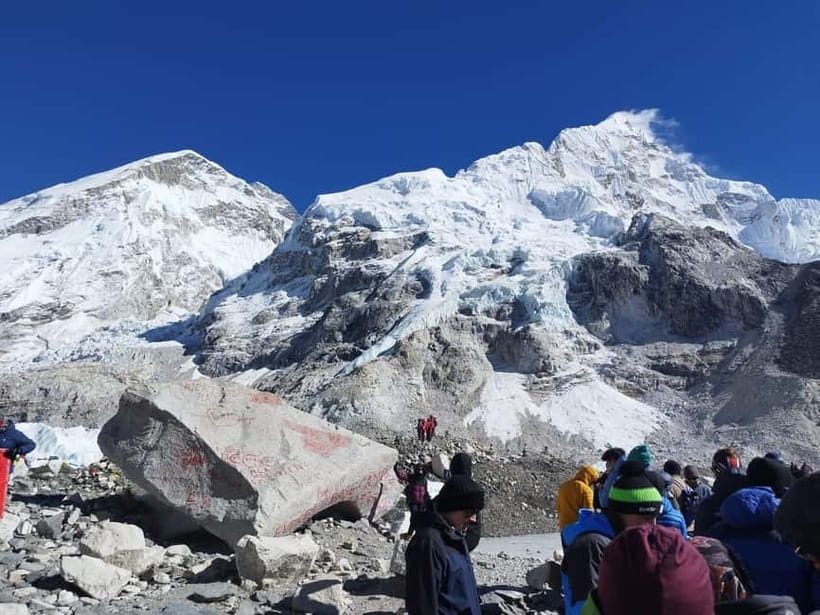
You stay a second night in Namche Bazaar instead of climbing higher. I like this part of the plan because altitude gain is not something you can solve with enthusiasm alone.
The day is described as a rest day, so you have time to relax and adjust before continuing. The itinerary does not specify a particular acclimatization walk, so do not assume a set excursion is included. Your guide can explain how the day will be handled within the group.
The extra night also gives you a buffer after the flight and the first steep walking day. It is one of the practical reasons this 12-day schedule is more appealing than trying to rush the same route in fewer days.
More walking in the hills of Kathmandu:
- Nagarkot Sunrise View and Day Hiking from Kathmandu
★ 5.0 · 471 reviews - Annapurna Circuit Trek with Tilicho Lake
★ 5.0 · 368 reviews - Everest Base Camp Trek -14 Days
★ 5.0 · 321 reviews - Annapurna base camp trek 5 Days
★ 5.0 · 252 reviews
Day 4: Namche Bazaar to Tyangboche at 3,867 meters
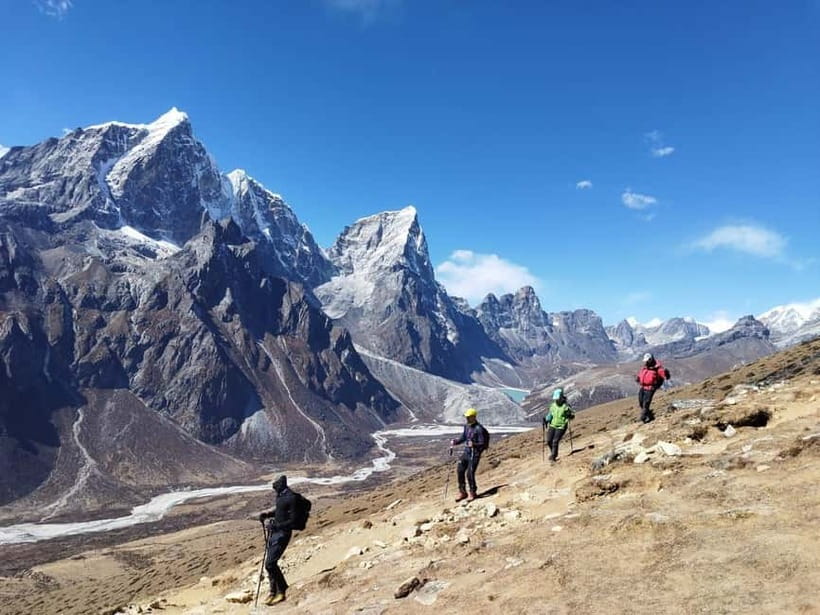
You leave Namche and hike to Tyangboche, also written as Tengboche, at 3,867 meters. The settlement is known in the itinerary for its mountain setting and its position on the route toward the upper Khumbu valley.
This is a day of continued climbing, so your body will notice the altitude more than it did around Phakding. The pace set by the guide matters here. The small group is limited to 15 people, which should make it easier to keep the group together than on a large departure.
You spend the night in Tyangboche. Expect another basic lodge stay, with shared facilities and extra charges for comforts such as hot showers and internet.
Day 5: Rhododendron forest and the Imja Valley
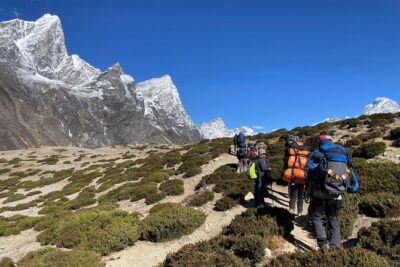
From Tyangboche, the route passes through rhododendron forest before crossing a suspension bridge over the Imja Khola. You then head toward Minlinggo and enter the Imjatse Valley.
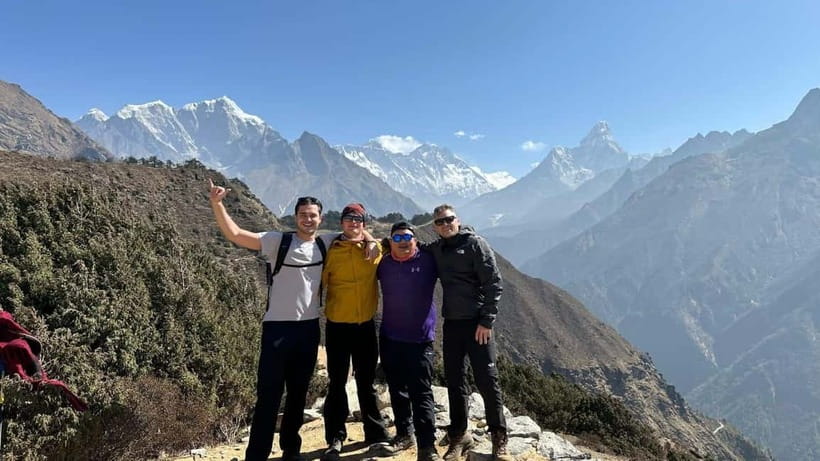
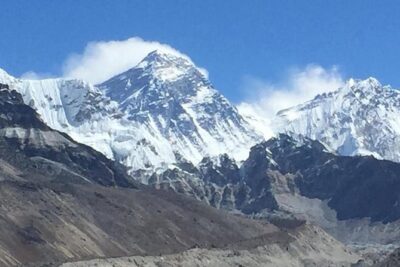
This section has some of the most memorable mountain views on the route. Ama Dablam, Nuptse, and Lhotse become major companions as you walk beneath their high slopes. The peaks named for this journey also include Khumbetse and Lingtren, so you get a broad view of the Everest region rather than a single mountain at the end.
The day finishes in Dingboche at 4,260 meters. That altitude makes the next rest day particularly useful. You may feel that the scenery is rewarding you, but the thin air still requires patience.
Day 6: Second acclimatization night in Dingboche
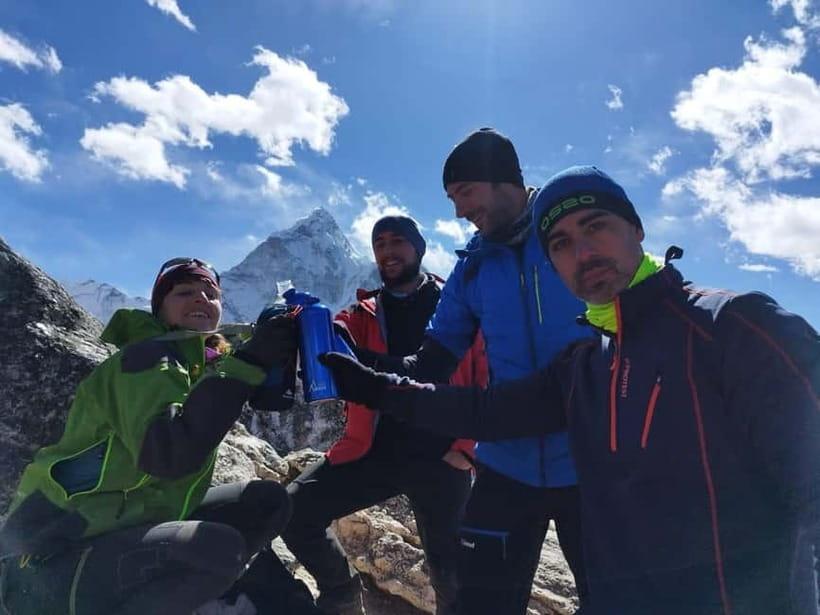
Dingboche provides the second planned acclimatization day. You sleep another night at a tea house lodge and give your body time to adjust before the route climbs toward Lobuche.
I consider this one of the best structural choices in the schedule. The highest part of the trek comes soon afterward, and rushing from Tyangboche straight toward Everest Base Camp would leave less room to adapt.
The day is not described as a guided side hike, so check with the operator about the exact plan. Use the time to rest, organize your bag, and make sure your warm layers are easy to reach. From this point onward, cold and altitude will matter as much as distance.
Day 7: Dingboche to Lobuche via Dugla
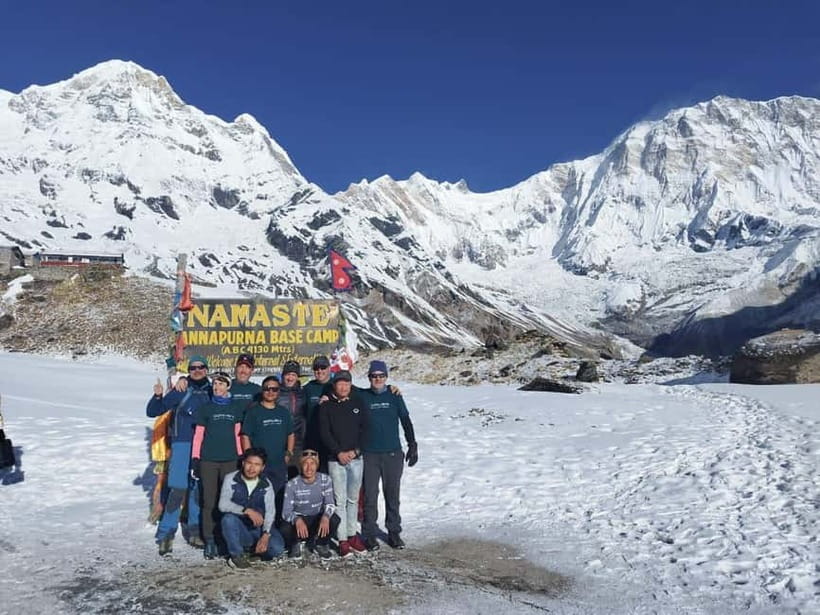
The walk from Dingboche to Lobuche takes about 5.5 hours. You stop for lunch in Dugla before continuing to Lobuche, which sits at 4,930 meters.
This is a serious altitude day. The distance may not sound extreme, but thin air slows everything down. You should expect a steady, deliberate walk, with frequent pauses more useful than pushing hard and arriving depleted.
Lobuche is your overnight base before the main Base Camp push. The lodge will be basic, and you should not expect the comforts of a city hotel. The included tea house accommodation keeps the cost manageable, but food, drinks, showers, and internet remain separate expenses.
Day 8: Lobuche to Everest Base Camp through Gorakshep
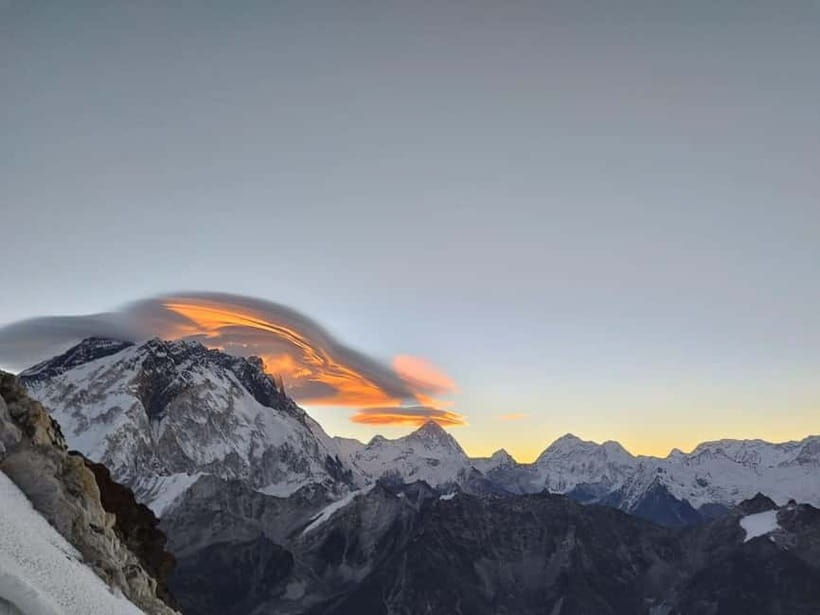
After breakfast, you walk from Lobuche to Gorakshep and continue toward Everest Base Camp. The route follows rocky ground beside the Khumbu Glacier, and the high altitude makes this one of the most demanding days.
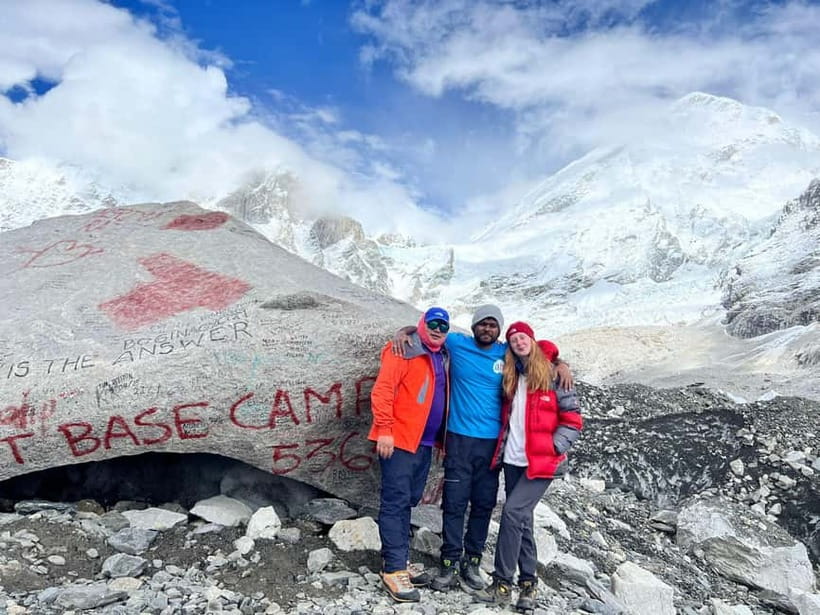
Everest Base Camp is at 5,364 meters. Reaching it is the central goal for most people on this trek, but the setting is not a polished tourist attraction. It is a rough, high mountain staging area, and the experience comes from the route, the glacier, the surrounding peaks, and the fact that you have reached this point on foot.
You return to Gorakshep for the night. That return is important to understand before booking. Reaching Base Camp is not the end of the day, so you need enough energy for the walk back.
The guide’s role becomes especially valuable here. Experienced leaders can help set a safe pace, keep the group moving, and notice when someone is struggling. Padam was praised for making difficult moments feel lighter with humor, while Nishan was described as attentive and willing to adjust the walking plan to individual needs.
Day 9: Kala Patthar at 5,545 meters, then down to Pheriche
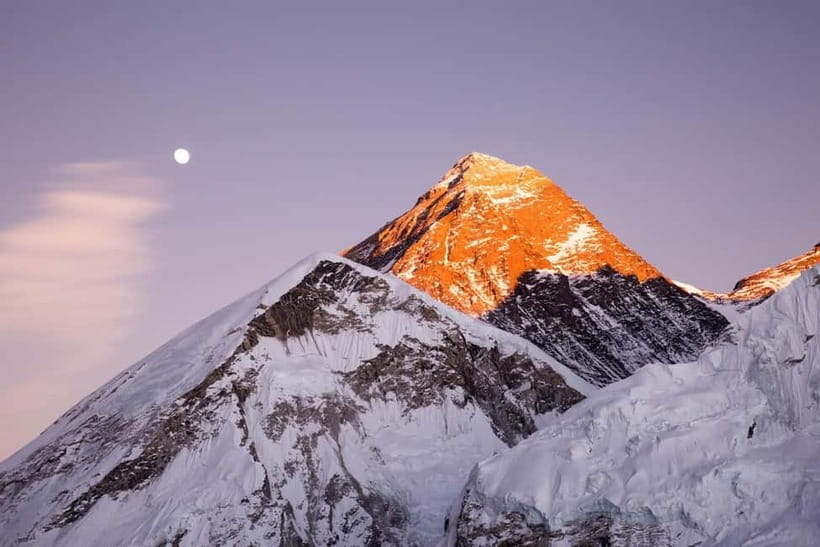
You leave Gorakshep for Kala Patthar, which reaches 5,545 meters. This is the highest point listed in the route and gives you a major mountain viewpoint before you descend to Pheriche at 4,243 meters.
For many people, Kala Patthar provides a more satisfying mountain outlook than Base Camp itself, since it is a high viewpoint rather than a working camp area. The day combines a steep high-altitude climb with a long descent, so you need to conserve energy and follow your guide’s advice.
You spend the night in a tea house lodge in Pheriche. The descent should feel welcome, but tired legs can make downhill walking surprisingly hard. Trekking poles, if you use them, can be useful, though they are not listed as supplied equipment.
Days 10 and 11: The return through Tyangboche and Namche
The schedule describes the descent from Pheriche to Tyangboche and then gives a further route to Namche Bazaar at 3,440 meters. The wording for Day 10 combines these movements, so you should confirm the exact overnight stop and walking plan before departure.
That detail is worth checking because the return days can be long. You may pass through familiar villages, but the walking is not automatically easy just because you are going downhill. Your legs have already handled the hardest altitude sections, and a tired group may move at different speeds.
Day 11 takes you from Namche Bazaar back to Lukla, where you spend the final night before flying to Kathmandu. This is a satisfying return to the starting point, but it is also a day when weather can affect plans. A schedule involving Lukla flights always needs some flexibility, and you should not arrange an important international connection immediately after the scheduled return without a buffer.
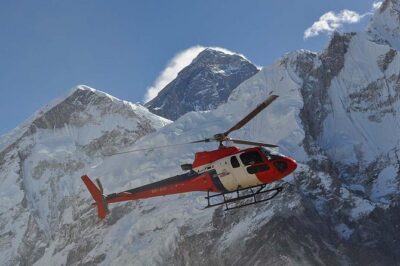
One particularly useful detail comes from the handling of a weather disruption. Rohan’s group had its flight changed to a helicopter because of conditions, and the adjustment was described as professional. That does not mean a helicopter is guaranteed or included, but it does show why an active operator and a calm guide matter when mountain weather changes the plan.
Day 12: The scenic flight back to Kathmandu
You take an early flight from Lukla to Kathmandu and are met by a tour representative for transfer to your hotel. The package includes the airport and domestic transfers described for the start and end of the trek.
You spend the night in Kathmandu. That final night is useful after a demanding route, especially if your wider Nepal plans continue from the capital.
Guides, group size, and the human side of the trek
The strongest praise centers on the guides. Padam is described as funny, helpful, experienced, and reassuring in difficult conditions. Nishan is praised for kindness, attention, and adjusting the trek to suit the participant. Adhish helped make the experience more enjoyable, while Rohan and porter Bahla were remembered for their teamwork and support.
That consistency matters more than polished sales language. On a high-altitude route, you need a guide who can explain what is happening, watch the group, and keep morale steady. Humor helps too. A good laugh does not reduce the climb, but it can make a cold evening or a hard uphill stretch easier to face.
The group limit is 15 participants. That is small enough for a more personal feel, but it is not a private trek. If you need a very specific pace or special assistance, ask how the guide handles different walking speeds before booking.
What to budget and pack
The package supplies or covers many major items, but you still need to plan for daily costs. Your budget should include:
- Breakfast, lunch, and dinner during the trek
- Alcoholic and non-alcoholic drinks
- Hot showers and internet
- Optional porter service
- Travel insurance
A passport is required. Large luggage is not allowed, so pack only what you need for the trail and arrange storage in Kathmandu if appropriate.
The available jacket, sleeping bag, and duffle bag can reduce the amount of equipment you need to bring. Ask for these items in advance rather than assuming they will appear at the last minute.
The cold deserves respect. One January departure praised the daytime sights but noted that December nights were tough. Bring warm layers and treat the sleeping bag as essential equipment, not a luxury.
Who should choose this Everest route?
I would recommend this trek to you if you want the classic Everest Base Camp route with guides, permits, flights, and lodges arranged in advance. It suits people who can manage long mountain walks and are willing to accept basic accommodation, changing weather, and limited comforts.
It is not suitable for pregnant women, people with heart problems, or wheelchair users according to the stated restrictions. More broadly, anyone with a medical concern should take professional advice before committing to a trek reaching above 5,500 meters.
The two acclimatization days make the schedule more sensible, but they do not make it easy. You still need physical preparation, realistic expectations, and the willingness to walk slowly.
Should you book this 12-day trek?
I would book this experience if you value strong guide support and an organized route more than luxury. The $1,002 price is reasonable because it includes Lukla flights, permits, accommodation, transfers, guide expenses, and official fees, but you must add the cost of meals, drinks, porter service, and insurance.
Before paying, confirm the Day 10 route, ask which guide is assigned, request any needed gear, and check the current plan for weather-related flight changes. If you are ready for cold nights, basic tea houses, and a demanding high-altitude walk, this gives you a practical path to Everest Base Camp without leaving the main arrangements to chance.
FAQ
Are flights between Kathmandu and Lukla included?
Yes. The experience includes the return domestic flight between Kathmandu and Lukla, along with domestic airport pickup and drop-off.
How high does the trek go?
Everest Base Camp is listed at 5,364 meters, and Kala Patthar reaches 5,545 meters.
Are meals included during the trek?
No. Breakfast, lunch, and dinner are not included, and drinks are also separate.
Is a porter included?
No. Porter service is available for an additional cost. One porter can assist with up to 25 kilograms for two people.
Are permits included?
Yes. The package includes national park entry permits, Sagarmatha National Park fees, TIMS card fees, government taxes, and official service charges.
What is the group size and guiding language?
The group is limited to 15 participants, and the live guide language is English.
New in the Kathmandu listings
- Traditional Momo Making Class★ 5.0 · 10 reviews
- Kathmandu: Ancient City Kirtipur & Pharping Monastery Tour★ 5.0 · 2 reviews
- Kathmandu to Pokhara Premium sofa bus ticket★ 4.0 · 17 reviews
- Women Empowerment Project(Nepali cooking class & jewelry workshop★ 5.0 · 15 reviews
- 7-Day Langtang Valley Trek from Kathmandu★ 5.0 · 1 review
- Kathmandu 2 Nights 3 Days Chitwan Jungle Safari Tour★ 5.0 · 9 reviews
- Yoga Experience Day Trip with Private Transfer From Kathmandu★ 4.0 · 2 reviews
- Wildlife Adventure in Chitwan Nepal★ 4.0 · 4 reviews
Everest Base Camp Treks, compared.
Everest Base Camp Trek with Helicopter Return from Gorakshep to Lukla
Read our review →Browse the lists this tour appears in