
REVIEW · EVEREST BASE CAMP TREKS
From Kathmandu: 19 Day Everest Base Camp & Kalapathar Trek
The long way to Everest is the rewarding way. This 19-day trek from Kathmandu reaches Everest Base Camp, Kala Patthar, Namche Bazaar, and Tengboche by following the quieter overland route from Salleri. I like the generous pacing, which gives you two acclimatization days, and I like that permits, tea-house lodging, guide services, transfers, and trekking poles are included.
The main tradeoff is the rough start and finish: the journey between Kathmandu and Salleri takes about 12 to 13 hours by shared bus or jeep each way. Altitude is another serious concern. One participant had to turn back before Base Camp because of altitude sickness, though guide Arjun acted quickly and responsibly.
In This Review
- Key Points To Know Before Booking
- Why The Salleri Route Changes The Experience
- Days 1 To 5: From Kathmandu To Phakding
- Days 6 To 10: Namche, Tengboche, And Acclimatization
- Days 11 To 13: Lobuche, Base Camp, And Kala Patthar
- Days 14 To 19: Returning Through Namche And Salleri
- What The $723 Price Covers
- Guides, Safety, And Altitude Reality
- Spring And Autumn Offer The Best Odds
- Who Will Get The Most From This Trek?
- Should You Book The Everest Base Camp Route?
- FAQ
- How long does the Everest Base Camp and Kala Patthar trek take?
- What altitude does Everest Base Camp reach?
- How high is Kala Patthar?
- Are meals included in the price?
- What languages can the guide speak?
- What happens if I need to cancel?
Key Points To Know Before Booking
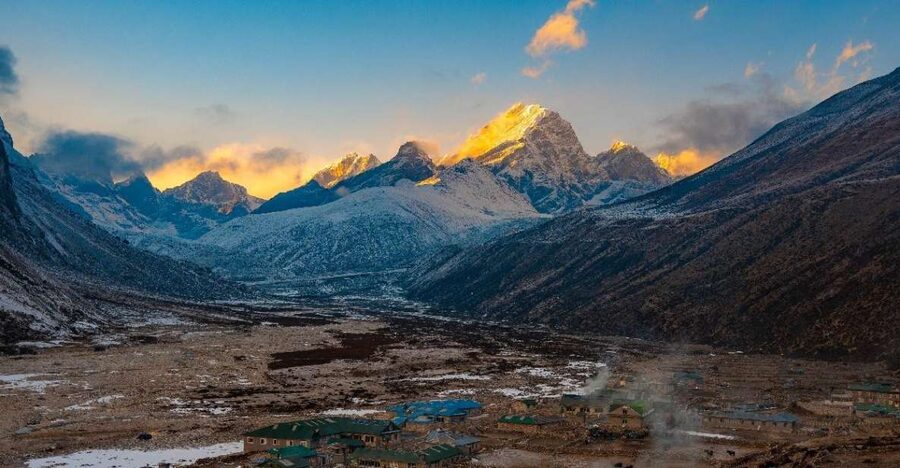
- Salleri replaces the usual Lukla flight: You begin with a long road journey, then walk through Bubsa and Surkhe before joining the better-known Everest route.
- Two acclimatization days are built in: You rest in Namche Bazaar and Dingboche, a valuable feature on a high-altitude trek.
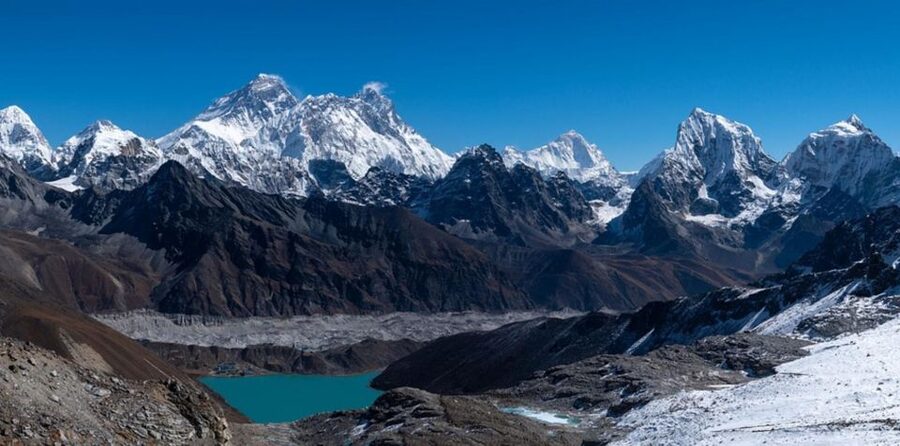
- Kala Patthar is the visual high point: At 5,545 meters, its summit gives sweeping views of Everest, Lhotse, Nuptse, and the Khumbu Icefall.
- The trek includes Base Camp and a return by foot: You reach Everest Base Camp at 5,364 meters, return to Gorak Shep, then descend toward Pheriche and Namche.
- The group is private, but transport is shared: The trek itself is arranged for your private group, while the Kathmandu to Salleri transfer is by shared bus or jeep.
- Guide support is a major part of the value: English, Nepali, and Hindi are available, with emergency first aid and extra assistance for groups larger than 10.
Why The Salleri Route Changes The Experience
The trip begins in Kathmandu with a road journey to Salleri, at 2,362 meters. You spend 12 to 13 hours in a bus or jeep, so this is not a gentle introduction. Still, the road approach lets you begin walking at a lower altitude than the classic Lukla start.
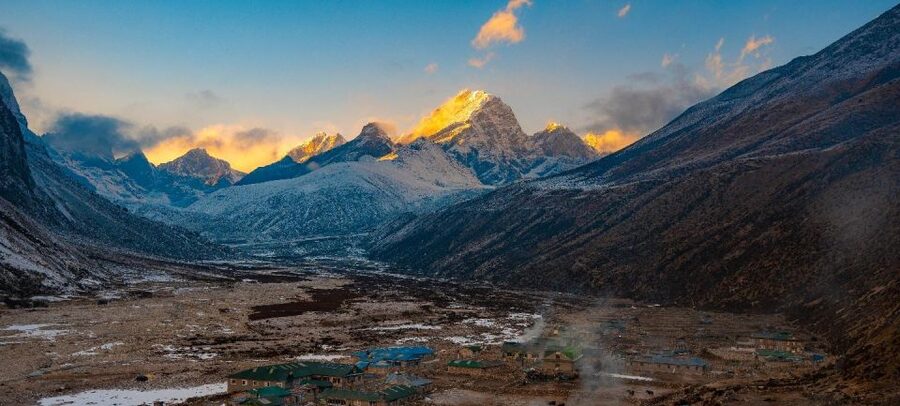
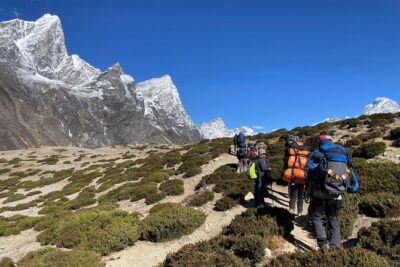
From Salleri, you walk to Nunthala on the second day, then Bubsa, Surkhe, and Phakding. These first stages take five to seven hours per day and help your body adjust before the trail climbs higher. The route passes through forests, villages, and changing mountain scenery rather than throwing you straight into the thin air above 3,000 meters.
I see this as a practical choice for anyone who wants a gradual start or prefers not to depend on a short mountain flight. The drawback is simple: the road is long, and the return drive is just as demanding. If you want to save time, this is not the route for you.
More Everest Base Camp treks:
- Everest Base Camp Trek – 14 Days
★ 5.0 · 1,499 reviews - Everest Base Camp Trekking
★ 5.0 · 485 reviews - Everest Base Camp Trekking – 13 Day
★ 5.0 · 365 reviews
Days 1 To 5: From Kathmandu To Phakding
Day 1 is almost entirely about transport. A guide collects you from your Kathmandu-area hotel, and the group travels to Salleri by shared bus or jeep. The trip takes roughly 12 to 13 hours, so bring water, cash, warm clothing, and patience.
Day 2 brings a five to six-hour walk from Salleri to Nunthala. At about 2,500 meters, Nunthala is still a moderate-height stop, but the trail begins to feel properly Himalayan. Day 3 continues to Bubsa, also listed at about 2,500 meters, with another five to six hours on foot.
On Day 4, you walk from Bubsa to Surkhe, at about 2,400 meters. This section takes five to six hours and keeps you on the lower approach route. Day 5 continues from Surkhe to Phakding, at 2,640 meters, in about six to seven hours.
The early days are not merely filler. They give you time to learn how your boots feel, settle into the daily walking rhythm, and notice how your body handles climbs and descents. The first couple of days can feel challenging, particularly after the long drive, so it is wise to start slowly rather than chase the guide’s pace.
Days 6 To 10: Namche, Tengboche, And Acclimatization
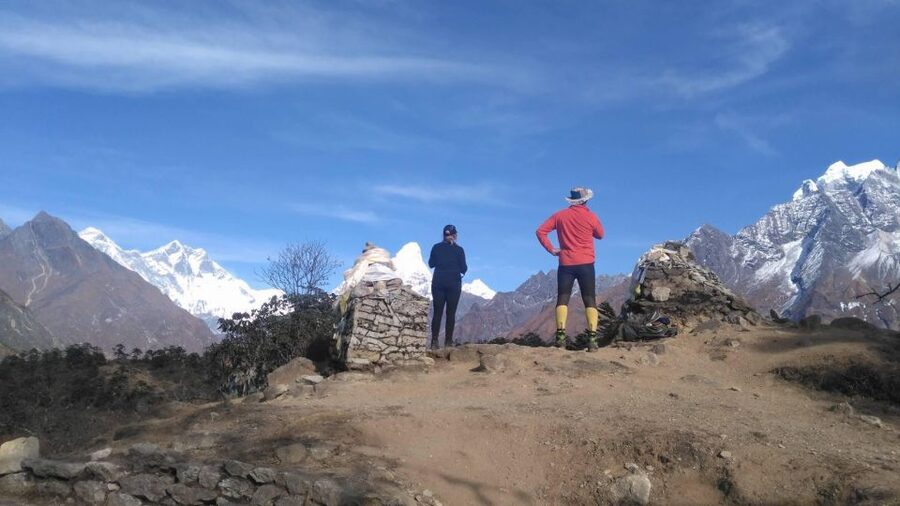
Day 6 takes you from Phakding to Namche Bazaar in about five hours. Namche sits at 3,440 meters and is one of the key stops in the Khumbu region. It is a Sherpa trading town and an important place to rest before the trail rises toward the high valleys.
Day 7 is an acclimatization day in Namche. You do not simply lose a day here. The pause gives your body time to adjust, and the nearby viewpoints provide a first major look at the mountain world ahead. The Tenzing Norgay memorial area in Namche can offer striking views when visibility is good.
Day 8 leads to Tengboche, at 3,867 meters, in about five hours. Tengboche is known for its monastery and its dramatic mountain setting. It is one of the most memorable cultural stops on the route, so you should allow yourself time to appreciate the place rather than treat it as a quick lunch stop.
On Day 9, you continue to Dingboche, at 4,260 meters. The walk takes about five hours, but the altitude changes the effort. A distance that might feel easy at home can require a slower pace here.
Day 10 is another acclimatization day. This two-day pause system, at Namche and Dingboche, is one of the strongest features of the schedule. It cannot remove altitude risk, but it gives you a better chance to adjust before the trail climbs above 4,900 meters.
Days 11 To 13: Lobuche, Base Camp, And Kala Patthar
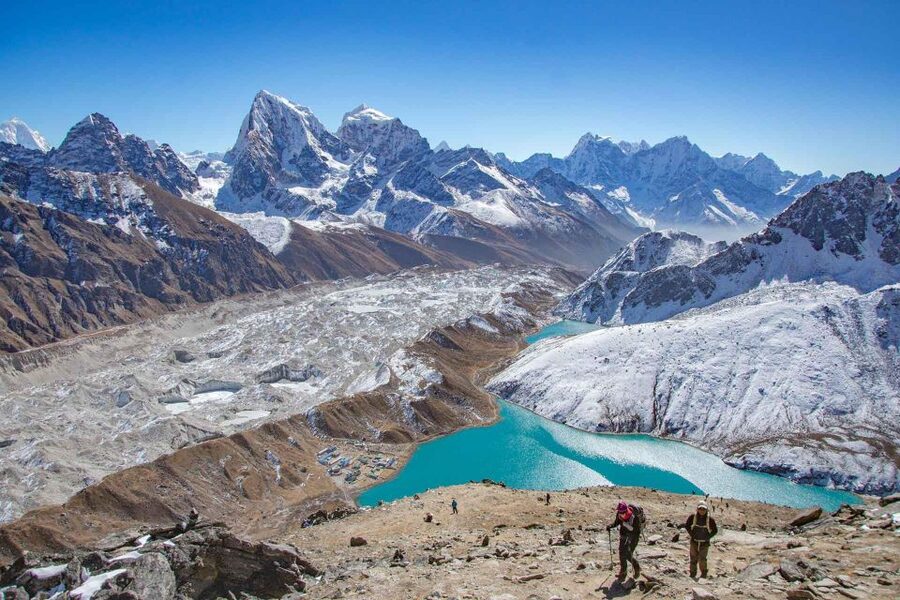
Day 11 takes you from Dingboche to Lobuche, at 4,930 meters. The walk is listed at about five hours. At this height, cold, thin air, and fatigue become central parts of the experience. You should keep your pace steady and tell your guide immediately if you feel unwell.
Day 12 is the major push. You walk from Lobuche to Gorak Shep, at 5,170 meters, then continue to Everest Base Camp at 5,364 meters before returning to Gorak Shep. The full outing takes about six hours.
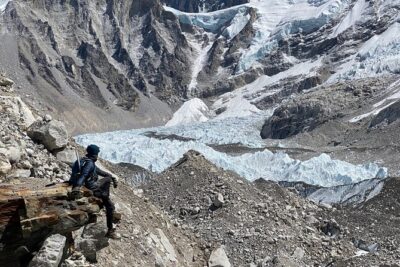
Base Camp is the emotional target, but it is important to set your expectations correctly. You reach the base area of Everest and see the Khumbu Icefall and surrounding peaks, yet Everest itself is not always best viewed from Base Camp. That is why Kala Patthar matters so much on the following morning.
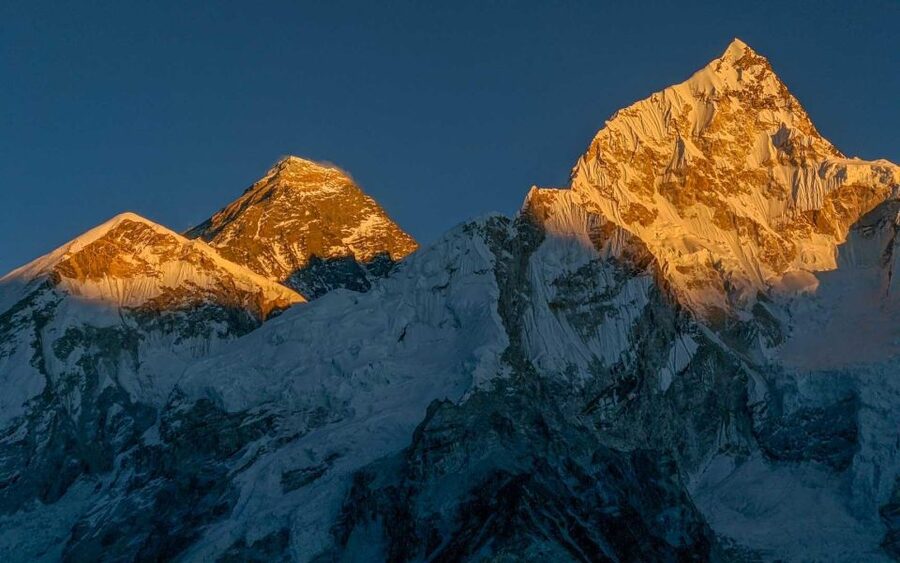
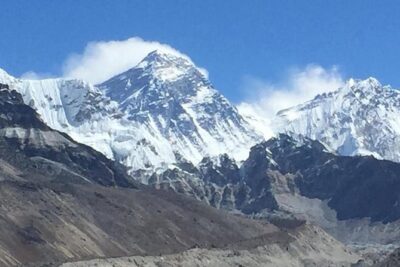
Day 13 begins early with the climb to Kala Patthar, at 5,545 meters. From the summit, you can look toward Everest, Lhotse, Nuptse, and the surrounding snow-covered peaks. The views depend heavily on weather and visibility. One early April departure had periods of limited visibility, while Tengboche and the Tenzing Norgay memorial still offered excellent views.
After Kala Patthar, you descend to Pheriche, at 4,240 meters, in about five hours. This is a demanding day because it combines an early high-altitude climb with a long descent. The good news is that dropping lower usually makes breathing easier. The practical advice is to keep the morning climb controlled, eat when you can, and avoid racing down simply because you are heading downhill.
More walking in the hills of Kathmandu:
- Nagarkot Sunrise View and Day Hiking from Kathmandu
★ 5.0 · 471 reviews - Annapurna Circuit Trek with Tilicho Lake
★ 5.0 · 368 reviews - Everest Base Camp Trek -14 Days
★ 5.0 · 321 reviews - Annapurna base camp trek 5 Days
★ 5.0 · 252 reviews
Days 14 To 19: Returning Through Namche And Salleri
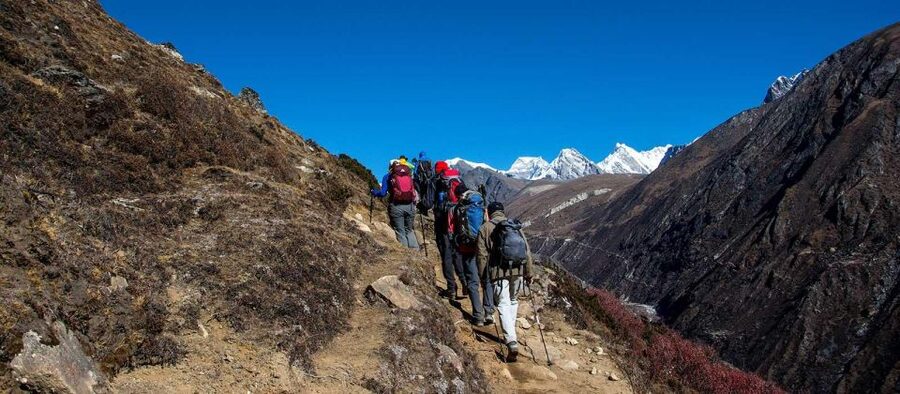
Day 14 takes you from Pheriche to Namche Bazaar in about six hours. The lower altitude is welcome, but the distance still requires stamina. You retrace parts of the route through the Khumbu, giving you a different view of familiar villages and mountain slopes.
Day 15 continues from Namche to Lukla, at 2,800 meters, in about six hours. You do not fly out from Lukla on this plan. Instead, Lukla becomes a stopping point before the return walk toward Salleri.
Day 16 takes you from Lukla to Bubsa in four to five hours. Day 17 continues from Bubsa to Nunthala in five to six hours, followed by Day 18 from Nunthala to Salleri in another five to six hours.
Day 19 is the return drive to Kathmandu, again taking about 12 to 13 hours. This final road day makes the full trip feel like a complete overland circuit rather than a simple out-and-back trek from an airport town. It also means you should avoid scheduling an important international flight immediately afterward.
What The $723 Price Covers
At $723 per person, the package offers useful coverage for a 19-day trek. It includes the necessary trekking permits and company paperwork, accommodation in guest houses or tea houses, round-trip shared transport between Kathmandu and Salleri, an English-speaking guide, guide expenses, an emergency first-aid kit, and a trekking pole.
For a private group, that is a solid collection of inclusions. You are paying for nearly three weeks of organized support, not just a guide for the high section. The permit work and transport planning also remove some of the less enjoyable administration.
Food and drinks are not included. You should budget separately for meals, hot drinks, snacks, and personal purchases along the route. Travel insurance is also your responsibility, and it must cover emergency rescue because rescue costs are excluded.
The package includes a trekking assistance guide for groups larger than 10. The provided information does not specify porter services as an inclusion, so you should ask exactly what luggage support is available before paying. That small question can affect both comfort and packing decisions.
Guides, Safety, And Altitude Reality
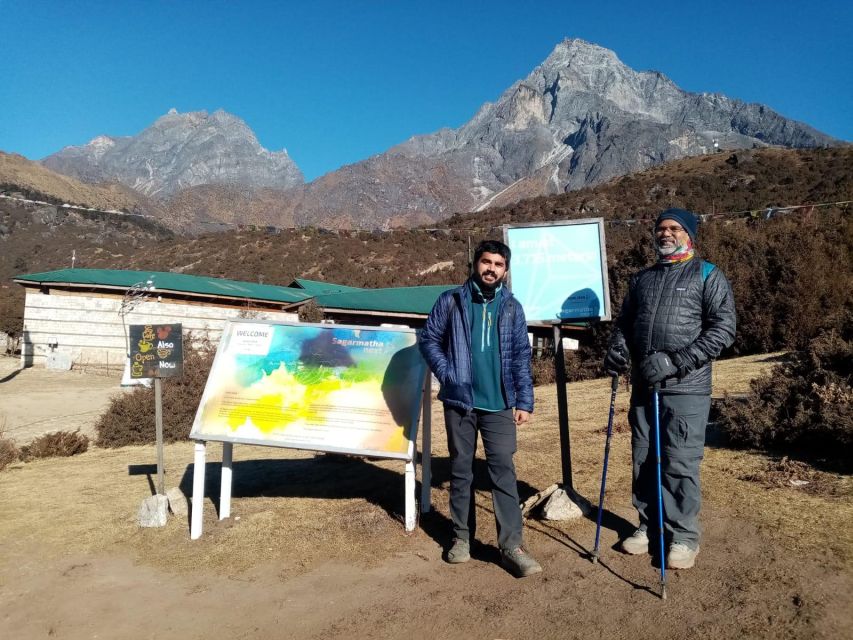
The available guide languages are English, Nepali, and Hindi. The strongest personal feedback focuses on guide care. Arjun and porter Tikaram were thanked for their effort, while Milan was described as friendly, helpful, attentive, and experienced.
Those details matter more than polished promises on a high-altitude route. A guide who watches your condition and reacts promptly can make a real difference. On one departure, altitude sickness prevented the climb to Base Camp, but the guide responded quickly and safely.
You should treat that story as useful advice, not as a warning against the trek. No itinerary can guarantee that you will reach Base Camp. Altitude sickness can affect fit people, and the correct response is to stop, descend, and seek help when needed.
The trek is best suited to people who already understand that this is a serious physical challenge. You need warm clothing, hiking shoes, hiking pants, cash, a passport or accepted copy, and a passport-sized photo. Pregnant women and wheelchair users should not book this activity.
Spring And Autumn Offer The Best Odds
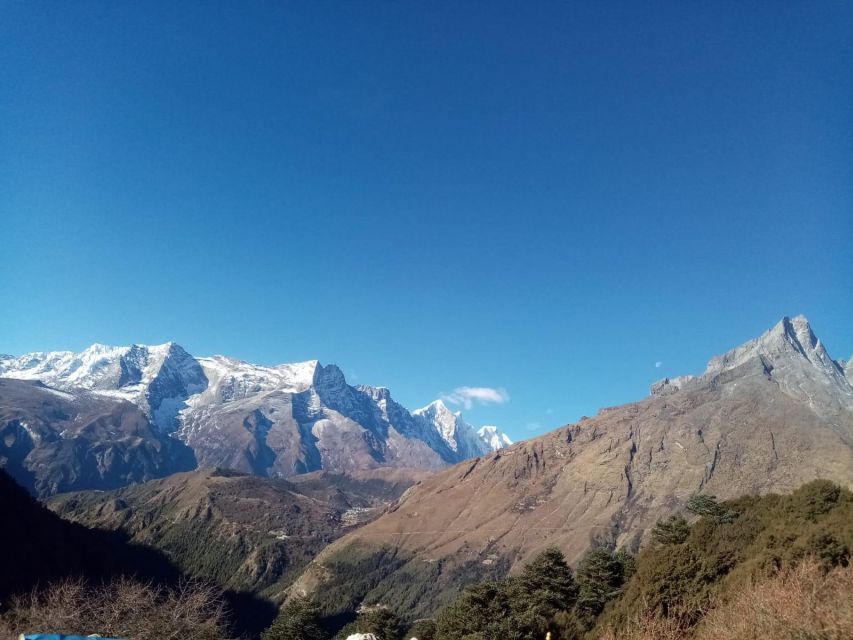
The trek can run throughout the year, but March to May and September to November are identified as the best seasons. These periods generally provide more stable weather and better chances of clear mountain views.
Conditions can still change quickly. Snow, wind, cloud, and cold may affect the trail and visibility, so pack for changing temperatures rather than relying on a single forecast. The early April experience described above had some poor visibility, yet still produced memorable views at Namche and Tengboche.
That is the right mindset for the Himalayas. You are coming for the mountains, but the mountains control the schedule and the views. Kala Patthar is a viewpoint, not a guarantee of clear skies.
Who Will Get The Most From This Trek?
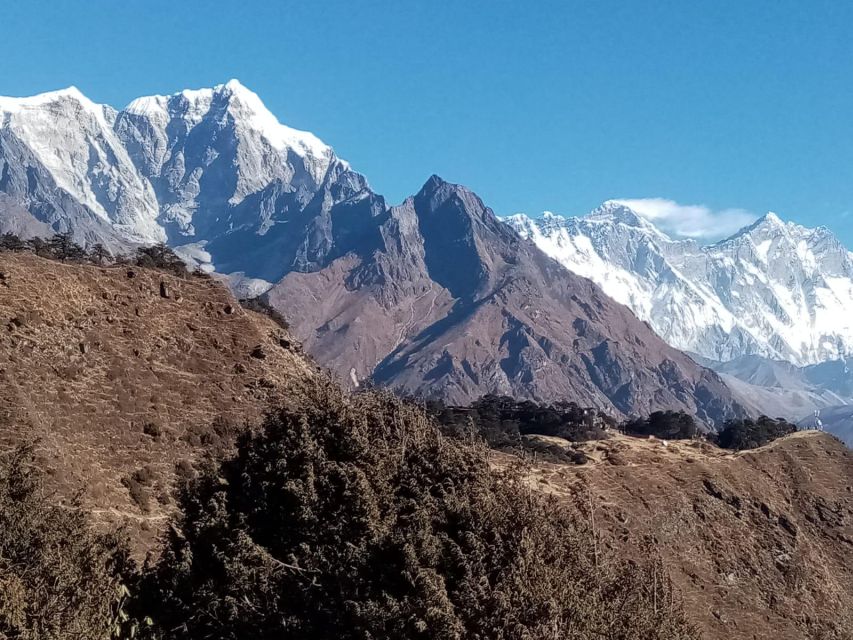
I would recommend this trip to you if you want a slower 19-day schedule, prefer a private group, and value guide support over a quick route. The two acclimatization days are especially useful for first-time high-altitude trekkers who want a measured pace.
It also suits people who want more than a checklist visit to Base Camp. The route includes Sherpa villages, Namche Bazaar, Tengboche Monastery, long forest sections, high valleys, glaciers, and the Khumbu Icefall area. The journey has cultural and visual rewards before and after the main objective.
I would hesitate if you dislike long road journeys, need guaranteed clear views, or have limited time in Nepal. The two 12 to 13-hour drives are unavoidable parts of this plan. You should also reconsider if you are not prepared to turn around for safety.
Free cancellation up to 24 hours before departure and the reserve-now, pay-later option provide useful flexibility. Still, confirm the starting time, food arrangements, luggage support, and emergency insurance requirements before booking.
Should You Book The Everest Base Camp Route?
Book it if you want a carefully paced, private 19-day trek with permits, lodging, transport, and guide support arranged in advance. The $723 cost is attractive for the length of the trip, though food, insurance, personal expenses, and rescue coverage will add to your real budget.
The best reason to choose this plan is its steady progression from Salleri to the high Khumbu, with rest days in Namche and Dingboche. The biggest reason to pause is the long road travel and the unavoidable altitude risk.
For the strongest experience, travel in spring or autumn, pack for cold and changing weather, and listen closely to your guide. If Base Camp becomes unsafe, a responsible descent is not failure. It is part of trekking wisely in the Everest region.
FAQ
How long does the Everest Base Camp and Kala Patthar trek take?
The trek takes 19 days, including the road journey from Kathmandu to Salleri at the beginning and the return drive to Kathmandu at the end.
What altitude does Everest Base Camp reach?
Everest Base Camp is listed at 5,364 meters, or 17,598 feet.
How high is Kala Patthar?
Kala Patthar reaches 5,545 meters. The hike takes place early in the morning on Day 13 before descending to Pheriche.
Are meals included in the price?
No. Food and drinks are available for purchase but are not included in the package price.
What languages can the guide speak?
Guides are available in English, Nepali, and Hindi.
What happens if I need to cancel?
You can cancel up to 24 hours in advance for a full refund. The activity also offers a reserve-now, pay-later option.
New in the Kathmandu listings
- Traditional Momo Making Class★ 5.0 · 10 reviews
- Kathmandu: Ancient City Kirtipur & Pharping Monastery Tour★ 5.0 · 2 reviews
- Kathmandu to Pokhara Premium sofa bus ticket★ 4.0 · 17 reviews
- Women Empowerment Project(Nepali cooking class & jewelry workshop★ 5.0 · 15 reviews
- Yoga Experience Day Trip with Private Transfer From Kathmandu★ 4.0 · 2 reviews
- 7-Day Langtang Valley Trek from Kathmandu★ 5.0 · 1 review
- Kathmandu 2 Nights 3 Days Chitwan Jungle Safari Tour★ 5.0 · 9 reviews
- Wildlife Adventure in Chitwan Nepal★ 4.0 · 4 reviews
Everest Base Camp Treks, compared.
Everest Base Camp Trek with Helicopter Return from Gorakshep to Lukla
Read our review →Browse the lists this tour appears in