
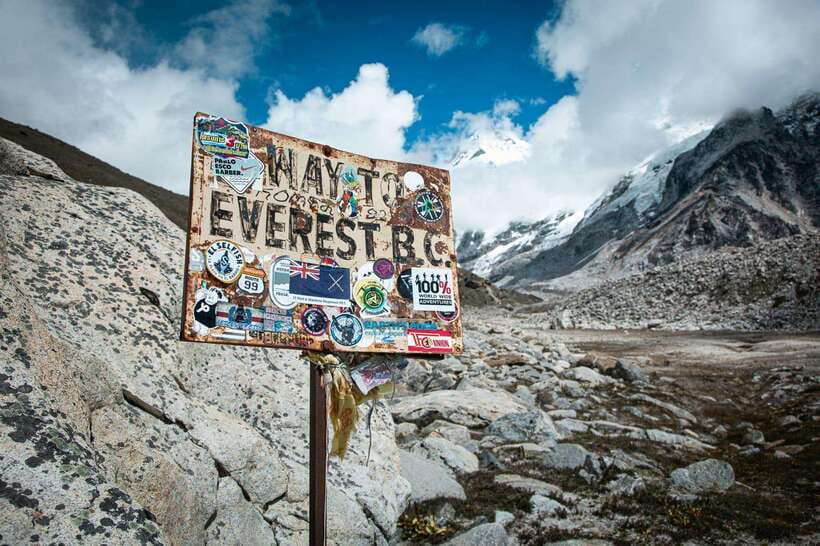
REVIEW · EVEREST BASE CAMP TREKS
From Kathmandu: Guided Everest Base Camp Trek
The mountain views begin before the hard work. This 12-day Everest Base Camp trek combines dramatic Himalayan scenery with Sherpa villages, Buddhist monasteries, and time in Sagarmatha National Park. I especially like the built-in acclimatization days in Namche Bazaar and Dingboche, and the strong personal support provided by guides such as Saran and Prayas.
The price starts at $408 per person, which can be good value for a guided trek if your chosen option includes flights, food, and the other listed services. The main consideration is physical effort: high altitude, steep trails, rocky ground, and long walking days make this a demanding trip, not a casual mountain holiday.
The route takes you from Kathmandu to Lukla, then through Phakding, Namche, Tengboche, Dingboche, Lobuche, Gorak Shep, Everest Base Camp, and Kala Patthar before returning to Lukla. You will reach Everest Base Camp at about 5,365 meters and Kala Patthar at about 5,545 meters, so preparation matters as much as enthusiasm.
In This Review
- Key points to know before booking
- Why this 12-day route works
- Day 1: Kathmandu to Lukla, then Phakding
- Day 2: The long climb to Namche Bazaar
- Day 3: Acclimatization around Namche
- Day 4: Tengboche and its Buddhist monastery
- Day 5: Dingboche at 4,400 meters
- Day 6: A second acclimatization day
- Day 7: Lobuche and the approach to high altitude
- Day 8: Gorak Shep and Everest Base Camp
- Day 9: Kala Patthar and the return to Pheriche
- Days 10 to 12: Returning to Lukla and Kathmandu
- Sherpa culture beyond mountain scenery
- Guide support and solo trekking
- What the $408 price really means
- Who should book this trek?
- FAQ
- How long is the Everest Base Camp trek?
- What is the highest point on the trek?
- Is the Kathmandu to Lukla flight included?
- Is food included during the trek?
- What language does the guide speak?
- Is a guide included?
- Are park permits included?
- Are Nepal visa fees included?
- Is travel insurance included?
- Can I cancel for a full refund?
- Should you book it?
Key points to know before booking
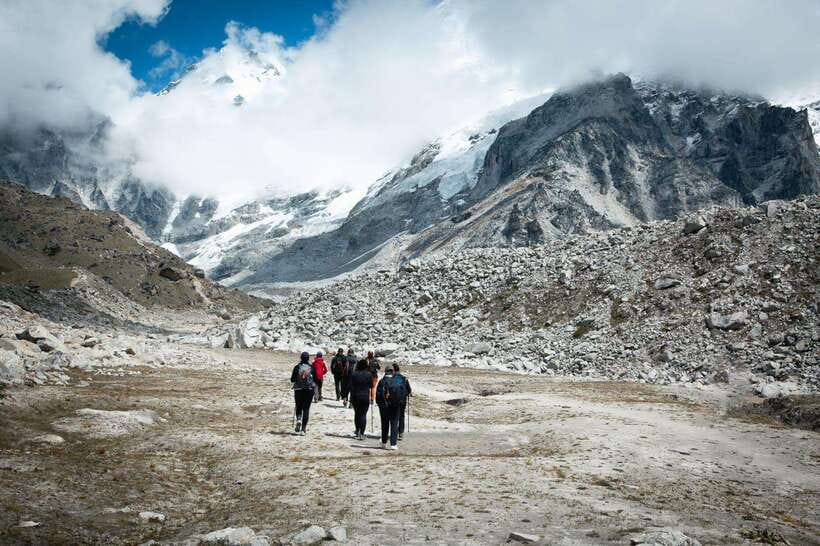
- Saran receives especially strong praise: He is described as caring, funny, helpful, and willing to carry a heavy pack when a trekker became exhausted.
- Two acclimatization days are built in: One is in Namche Bazaar and another in Dingboche, giving your body time to adjust to altitude.
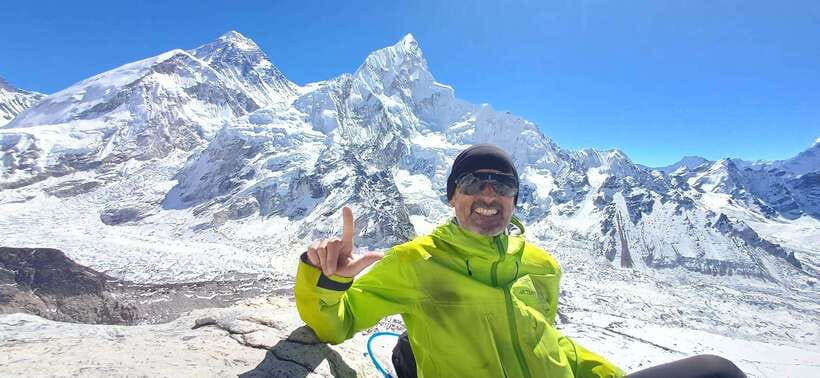
- Kala Patthar is the high point: At about 5,545 meters, it offers the close mountain view many people consider the visual prize of the route.
- The cultural side is real: You pass through Sherpa settlements, visit Tengboche Monastery, and encounter Buddhist customs in the Khumbu region.
- Solo support is a strong point: Rajesh arranged details by WhatsApp before departure, while guides helped with health concerns and extra porter support when needed.
- Check the package carefully: Flights, food, and some services depend on the option selected, so the headline price should not be treated as an all-inclusive total without checking.
Why this 12-day route works
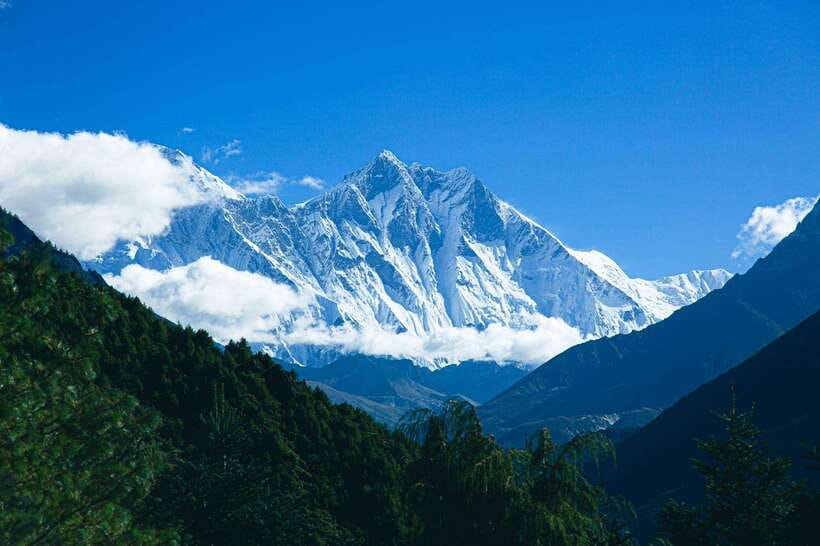
The classic Everest Base Camp route is popular for good reason. You get a clear progression from lower mountain villages and forested trails to high, spare terrain near the glaciers. Along the way, the trip also gives you time with Sherpa communities rather than reducing the region to a backdrop for mountain photographs.
The schedule is sensibly paced on paper. You do not rush straight from Lukla to the high camps. Namche receives a full acclimatization day, and Dingboche receives another. Those pauses are not wasted time. At altitude, rest is part of the trek.
I also like that the package includes a guide, a first-aid kit, a trekking map, the Sagarmatha National Park permit, and accommodation for the guide. Depending on the package you choose, food and drinks and the round-trip Kathmandu to Lukla flights may also be included. Confirm these details before paying, since they affect the true cost.
The experience is provided in English, with small groups available. That should appeal to people who want personal attention without committing to a fully private trip. The guide quality matters greatly here, and Saran and Prayas are specifically named as helpful English-speaking guides.
More Everest Base Camp treks:
- Everest Base Camp Trek – 14 Days
★ 5.0 · 1,499 reviews - Everest Base Camp Trekking
★ 5.0 · 485 reviews - Everest Base Camp Trekking – 13 Day
★ 5.0 · 365 reviews
Day 1: Kathmandu to Lukla, then Phakding
The first major step is the domestic flight from Kathmandu to Lukla, followed by a trek to Phakding at about 2,610 meters. The flight is included only if you select the relevant option, so this is one of the first details to check.
Phakding gives you a gentler opening than spending the first night at a much higher village. You begin walking through the lower Khumbu region, where the surroundings are less stark than they will be later. This first day is still important because it introduces you to the rhythm of trekking with a guide and pack.
Do not judge the whole trip by this opening stage. The biggest altitude gains come later, and the route becomes much harder after Namche.
Day 2: The long climb to Namche Bazaar
The walk to Namche Bazaar, at about 3,440 meters, is one of the first demanding days. Namche is known as the gateway to the Everest region, and it is where the trek begins to feel like a high mountain expedition rather than a village walk.
Namche is also a useful place to pause and adjust. You can shop for local crafts, see Sherpa life at close range, and enjoy views of the surrounding peaks. The town is an important meeting point for people heading farther into the Khumbu, which gives it more character than a simple overnight stop.
The drawback is clear: the altitude gain can catch up with you. Take the pace set by your guide seriously, drink as directed, and do not treat a strong first impression as proof that altitude will not affect you later.
Day 3: Acclimatization around Namche
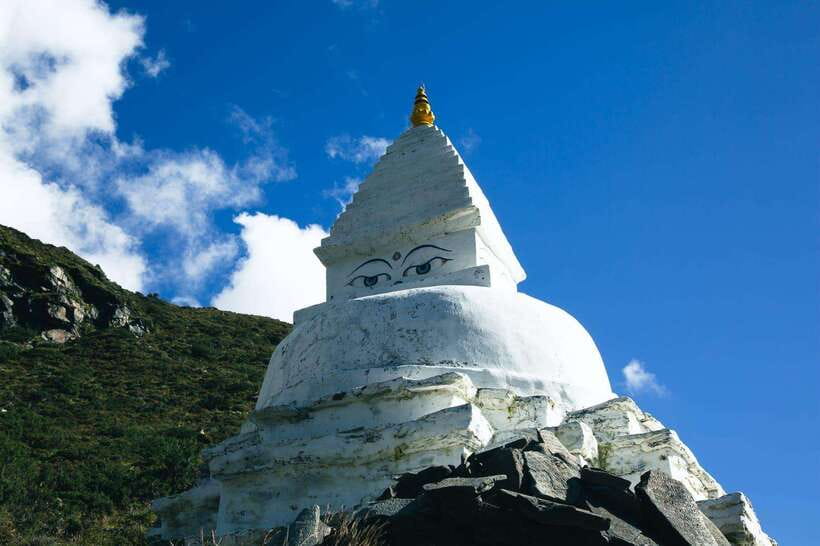
The full rest day in Namche is one of the best features of the schedule. You have time to let your body adjust instead of making a rapid push toward the higher villages.
The supplied details describe Namche as a place to explore local crafts and Sherpa culture, so use this day for more than sitting in a room. A walk around town or nearby viewpoints may help you stay active while keeping the day manageable. The exact activity plan can depend on your guide and conditions.
For solo participants, this is also a useful day to build trust with the guide. One Japanese solo trekker described clear communication with Saran despite limited English, along with regular checks on her condition and help with photographs and video. That sort of attention can make a major difference when you are far from home.
More walking in the hills of Kathmandu:
- Nagarkot Sunrise View and Day Hiking from Kathmandu
★ 5.0 · 471 reviews - Annapurna Circuit Trek with Tilicho Lake
★ 5.0 · 368 reviews - Everest Base Camp Trek -14 Days
★ 5.0 · 321 reviews - Annapurna base camp trek 5 Days
★ 5.0 · 252 reviews
Day 4: Tengboche and its Buddhist monastery
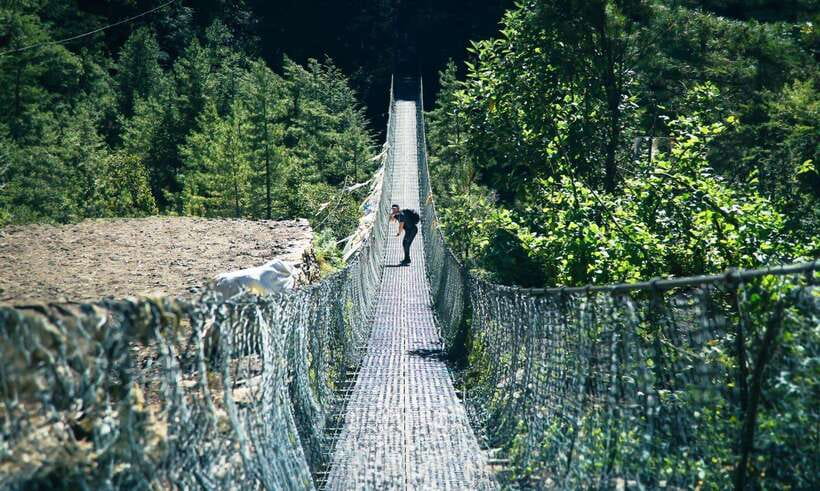
The route continues to Tengboche, listed at about 3,800 meters. The main attraction is Tengboche Monastery, an important Buddhist site with wide views toward the Everest range.
This is one of the places where the trek becomes more than a mountain challenge. You may witness prayer or daily religious activity, and the monastery offers a quiet counterpoint to the physical strain of the trail. The Khumbu region is shaped by Buddhist practice, and visiting its monasteries helps you understand the communities that live along this route.
The altitude is now serious. Even if you feel fine in Namche, the move higher can bring fatigue, headaches, or other health concerns. This is where a good guide earns the fee by watching your condition and adjusting the pace when needed.
Day 5: Dingboche at 4,400 meters
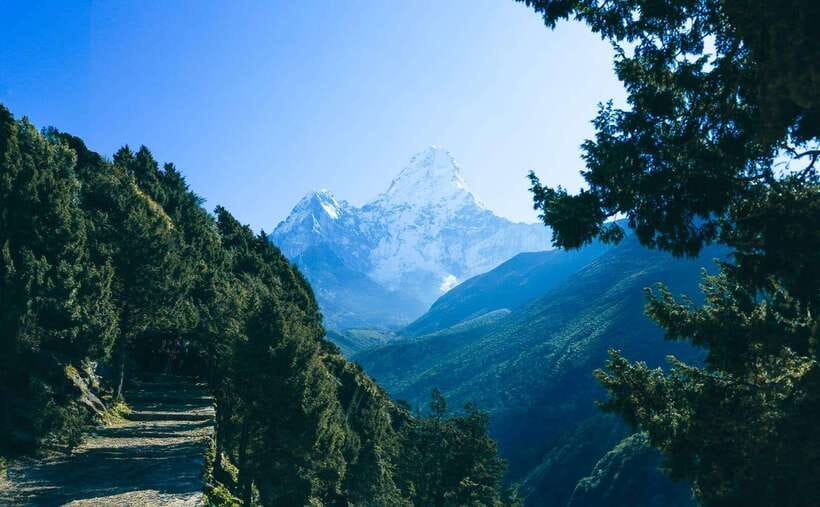
The walk to Dingboche takes you to about 4,400 meters. The surroundings become more rugged, and the air feels thinner. You are now well above the comfortable elevations of the opening days.
Dingboche is a practical overnight stop and an important acclimatization point. The schedule gives you a full rest day here, which is exactly what you want before continuing toward Lobuche, Gorak Shep, and Base Camp.
The tradeoff is that this portion can feel slow if you are eager to reach Everest. Resist that urge. The schedule is designed to give your body time, and the high point of the trip still lies ahead.
Day 6: A second acclimatization day
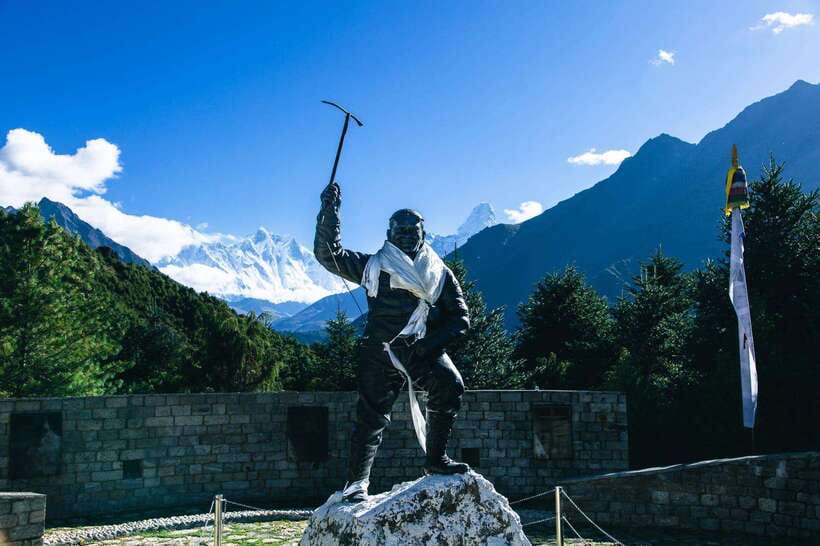
The second rest day in Dingboche is another reason I view this as a thoughtfully arranged route. The trek is not simply a race to Base Camp followed by a quick return. It makes room for the altitude problem that defines the experience.
You can use this day to rest, review your gear, and discuss the next stages with your guide. If you have concerns about your health, speak up early. One Australian solo trekker became ill toward the end of the trek and received medical assistance and porter support for the final day. That example shows why it is valuable to have a local company managing the trip rather than attempting every decision alone.
The available information does not specify the exact acclimatization activities, so ask the provider what your day will involve.
Day 7: Lobuche and the approach to high altitude
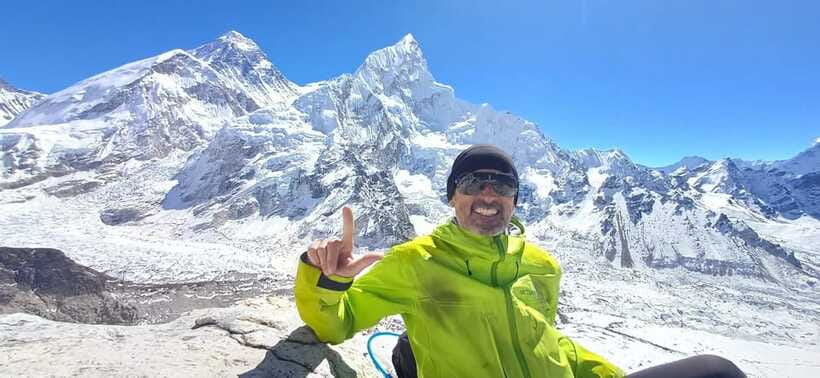
The trek to Lobuche reaches about 4,900 meters. This is a demanding stage, with rocky trails and increasingly severe mountain surroundings.
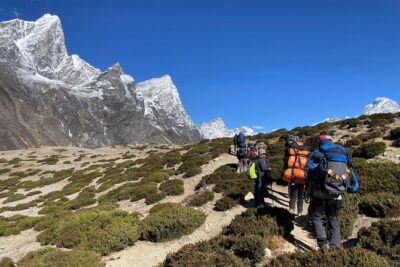
Lobuche is close to the final push. You will likely feel the effect of the altitude more clearly here, and a short walking distance can take much longer than expected. The route is challenging because of repeated ascents and descents, uneven ground, and the need to keep moving while conserving energy.
This is not the place for heavy, unnecessary luggage. The trip includes guide support, and porter assistance may be available in some situations, but you should confirm what your package covers and carry only what you truly need.
Day 8: Gorak Shep and Everest Base Camp
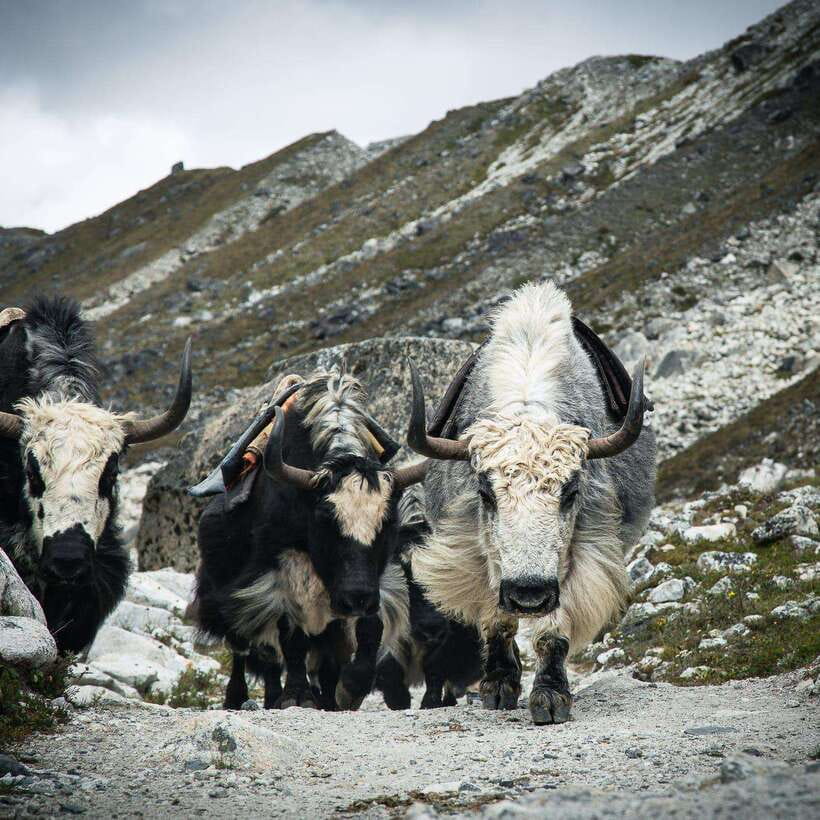
The route reaches Gorak Shep at about 5,150 meters, the last settlement before Base Camp. From there, you continue to Everest Base Camp at about 5,365 meters.
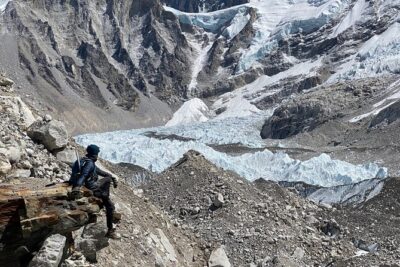
Base Camp is the emotional center of the trek. You are not climbing Mount Everest, and you do not reach the summit, but standing at the foot of the mountain and seeing the Khumbu Icefall and nearby glaciers gives the journey a clear sense of purpose. The setting is stark, high, and unforgettable.
This day can be especially tiring because Gorak Shep is already extremely high before you make the walk to Base Camp. Keep your expectations realistic. The achievement comes from completing the route safely, not from rushing for a perfect photograph.
Day 9: Kala Patthar and the return to Pheriche
The route to Kala Patthar reaches approximately 5,545 meters, higher than Everest Base Camp itself. The climb is included for the close views of Everest and the surrounding peaks, especially around sunrise.
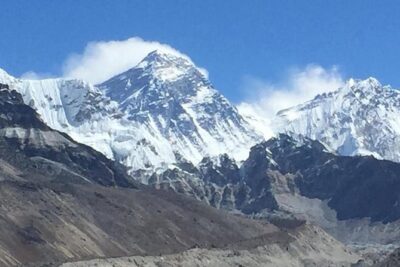
For many people, Kala Patthar is the visual highlight. From here, Everest, Lhotse, Nuptse, Ama Dablam, and other major peaks form the mountain view you came for. The early start can be cold and tiring, but the payoff is the clearest mountain perspective on the route.
After Kala Patthar, you descend to Pheriche at about 4,200 meters. That drop is welcome because lower altitude usually feels easier, though the day remains long. Your legs have already worked hard, and descending steep or rocky trails can be just as uncomfortable as climbing them.
Days 10 to 12: Returning to Lukla and Kathmandu
Day 10 takes you back to Namche Bazaar at about 3,440 meters. This return route gives you another look at villages and mountain scenery you may have passed too quickly on the way up.
Day 11 continues to Lukla, listed at about 2,800 meters. Reaching Lukla marks the end of the walking section, but you still need the flight back to Kathmandu on Day 12. The return domestic flight is included only with the applicable option, so confirm that before booking.
The final return is not just a transport detail. After many days on foot, flying back to Kathmandu gives you a clear finish to the trip. The package also lists welcome and farewell coffee, a small touch that helps frame the experience before and after the trek.
Sherpa culture beyond mountain scenery
The Everest route is valuable because it passes through living communities. Namche Bazaar offers local crafts and daily commerce, while Tengboche connects the trek to Tibetan Buddhist traditions practiced in the region.
You may also see traditional Sherpa dress, visit villages and monasteries, and learn about the customs of the people known for their mountaineering skills and hospitality. The exact cultural visits can vary, so do not assume every village stop includes a formal museum or scheduled ceremony.
Sagarmatha National Park, a UNESCO World Heritage site, adds another layer. The route passes through forests and high mountain terrain, with plant and animal life that can include Himalayan tahrs, musk deer, and, more rarely, snow leopards. Wildlife sightings are never guaranteed, but the protected setting gives the walk wider value than the Base Camp goal alone.
Guide support and solo trekking
The strongest part of this experience is the attention from the local team. Rajesh is described as responsive before departure, using WhatsApp to explain what to bring and answer questions. That kind of preparation is particularly useful for a first high-altitude trek.
Saran receives the most detailed praise. He helped one exhausted trekker by carrying a heavy backpack, checked her health carefully, took photographs, and helped create a video. Another person described him as both funny and supportive, which matters during long, tiring days.
Prayas is also described as helpful, with good English, and as a steady guide for a solo trekker. One participant became ill and received medical help plus porter support near the end. These details do not guarantee that every departure will have the same guide, but they show the level of personal support you should expect to discuss before booking.
The trip suits solo participants, including women traveling alone, because a guide and small group can provide structure and companionship. Still, this remains a physically demanding trek. Support does not remove the need for preparation, suitable clothing, and travel insurance.
What the $408 price really means
At $408 per person, the starting price looks attractive for a 12-day guided Everest Base Camp experience. The value is strongest if your selected package includes the Lukla flights, accommodation, food and drinks, the national park permit, guide costs, map, and first-aid kit.
Do not assume every version includes every item. The information specifies round-trip domestic flights if the option is selected and food and drinks if the full-board option is selected. Nepal visa fees and travel insurance are not included.
The package does include hotel pickup and drop-off, accommodation during the trek, guide accommodation and food, the park permit, and a trekking map. Those inclusions reduce the number of arrangements you need to make yourself, which is useful on a route where timing and altitude can complicate plans.
The provider also offers free cancellation up to 24 hours before the start time and reserve-now, pay-later booking. Those policies add flexibility, but I would still read the final terms carefully before paying.
Who should book this trek?
I would recommend it to you if you want the classic Everest route, prefer local guide support, and value cultural stops as much as mountain views. It is also a good match if you are traveling alone and want help with planning, communication, pacing, and unexpected health problems.
You should think twice if you want a relaxed holiday, dislike long walks, or are uncomfortable with very high altitude. The trek includes steep sections, suspension bridges, rocky trails, long walking days, and elevations above 5,500 meters.
Before booking, ask three direct questions: which flight and food option is included, who your guide will be, and what porter support covers. Those answers will tell you far more about the final value than the headline price.
FAQ
How long is the Everest Base Camp trek?
The experience lasts 12 days, including the flights between Kathmandu and Lukla and the walking route to Everest Base Camp and back.
What is the highest point on the trek?
Kala Patthar is listed at about 5,545 meters. Everest Base Camp is listed at about 5,365 meters.
Is the Kathmandu to Lukla flight included?
The round-trip domestic flights are included if the relevant option is selected. Check your chosen package before booking.
Is food included during the trek?
Food and drinks are included if you select the full-board option. The final package details should confirm what applies to you.
What language does the guide speak?
The live guide service is offered in English.
Is a guide included?
Yes. A guide is included, along with accommodation and food for the guide.
Are park permits included?
Yes. The Sagarmatha National Park permit is included.
Are Nepal visa fees included?
No. The Nepal visa fee is not included.
Is travel insurance included?
No. Travel insurance is not included.
Can I cancel for a full refund?
You can cancel up to 24 hours in advance for a full refund, according to the stated booking terms.
Should you book it?
Book this trek if you want a guided, culturally aware route to Everest Base Camp at a potentially strong price, and if the selected package includes the flights and food you need. The built-in rest days, local management, and reports of careful support from Saran, Prayas, and Rajesh are meaningful advantages.
I would not book it casually. Prepare for altitude and hard walking, confirm the package inclusions, and arrange travel insurance before setting out. If you do that homework, this trip offers the essential Everest experience without asking you to manage every detail alone.
New in the Kathmandu listings
- Kathmandu: Ancient City Kirtipur & Pharping Monastery Tour★ 5.0 · 2 reviews
- Traditional Momo Making Class★ 5.0 · 10 reviews
- Kathmandu to Pokhara Premium sofa bus ticket★ 4.0 · 17 reviews
- Women Empowerment Project(Nepali cooking class & jewelry workshop★ 5.0 · 15 reviews
- 7-Day Langtang Valley Trek from Kathmandu★ 5.0 · 1 review
- Kathmandu 2 Nights 3 Days Chitwan Jungle Safari Tour★ 5.0 · 9 reviews
- Yoga Experience Day Trip with Private Transfer From Kathmandu★ 4.0 · 2 reviews
- Wildlife Adventure in Chitwan Nepal★ 4.0 · 4 reviews
Everest Base Camp Treks, compared.
Everest Base Camp Trek with Helicopter Return from Gorakshep to Lukla
Read our review →Browse the lists this tour appears in