
REVIEW · ANNAPURNA CIRCUIT TREKS
From Kathmandu/Pokhara: 9-Day Annapurna Circuit Trek
High passes demand a careful plan. This 9-day Annapurna Circuit Trek packs the best-known section of Nepal’s classic route into a short, demanding trip, starting from Kathmandu or Pokhara and crossing Thorong La Pass at 5,416 meters. I like the strong mix of mountain scenery and local culture, from the Marshyangdi River Valley and its waterfalls to the Tibetan traditions of upper Manang. I also like that the package includes a licensed guide, permits, trekking equipment, and mountain guesthouse stays.
The main caution is the speed. You reach high altitude quickly, with only one acclimatization day in Manang before climbing above 4,000 meters. That makes this a good choice for fit hikers who accept a tough schedule, but a less comfortable choice if you prefer gradual altitude gains and long rest days.
At $365 per person, the trip can offer very good value if you choose the budget arrangement and are ready to pay separately for meals, porter service, and the Jomsom to Pokhara flight. The all-inclusive option costs more, but it adds the practical items that matter most on a high-altitude trek.
In This Review
- Key points to know before booking
- From Kathmandu or Pokhara to Besisahar
- The rough road into Chame
- Chame to Pisang, five to six hours on foot
- Manang at 3,540 meters
- The jump to Ledar at 4,250 meters
- High Camp and the final climb
- Thorong La to Muktinath and Jomsom
- The flight or bus back to Pokhara
- Guesthouses, food, porter service, and equipment
- What the $365 price really covers
- Who should choose this condensed circuit?
- Should you book the Annapurna Circuit Trek?
- FAQ
- How long is the Annapurna Circuit Trek?
- Can I start the trip from Kathmandu or Pokhara?
- How high is Thorong La Pass?
- Is there an acclimatization day?
- How do I return from Jomsom to Pokhara?
- Are meals included?
- Is a porter included?
- What equipment is provided?
- Do I need travel insurance?
Key points to know before booking
- Thorong La is the main test: The pass reaches 5,416 meters, making Day 8 long, cold, and physically demanding.
- The route changes quickly: You move from lower Hindu villages and forested valleys to dry, high Tibetan-style country around Manang and Mustang.
- Transport saves time: A bus from Kathmandu or Pokhara to Besisahar, followed by a shared jeep to Chame, lets you reach the walking section quickly.
- Manang is your altitude pause: The itinerary gives you one acclimatization day at 3,540 meters before the higher camps.
- Muktinath adds cultural depth: The sacred temple is a major stop after crossing the pass, not just a convenient point on the route.
- Check the package carefully: Meals, porter service, and the Jomsom to Pokhara flight depend on the option you select.
From Kathmandu or Pokhara to Besisahar
The trip begins with hotel pickup in Kathmandu or Pokhara. You should wait in your hotel lobby or at the entrance to your apartment five minutes before the stated pickup time. From there, the bus ride to Besisahar takes about five to six hours.
Besisahar sits at roughly 840 meters, so this first day is more about reaching the trail region than hiking. The road introduces you to the country’s changing terrain, but it is still a long ground transfer. If you start in Kathmandu, the day feels especially transport-heavy. Starting in Pokhara shortens the overall approach, though the program still lists the same ride to Besisahar.
This arrangement is useful because it avoids spending extra trekking days on lower sections of the circuit. The tradeoff is comfort. Roads in the region can make a bus or jeep ride tiring, and the second transport day is another long one.
More Annapurna Circuit treks:
- Annapurna Circuit Trek with Tilicho Lake
★ 5.0 · 368 reviews - Annapurna Circuit Trek
★ 5.0 · 94 reviews - Annapurna Circuit Trek
★ 5.0 · 35 reviews
The rough road into Chame
On Day 2, you continue from Besisahar to Chame by shared bus or jeep. The drive takes six to seven hours and reaches 2,710 meters. This is where the route enters the Marshyangdi River Valley in earnest.
The road cuts through a dramatic part of the Annapurna region, with steep cliffs, waterfalls, suspension bridges, and changing plant life. You may see paddy fields and subtropical forest lower down, then more rugged mountain scenery as the vehicle climbs.
This drive is not a minor detail. It gives you access to Chame without adding several walking days, but it also means you gain altitude before your first trek day. If you are sensitive to rapid elevation changes, pay close attention to how you feel after arrival. Your guide should be central here, since the next few days require careful pacing.
Chame is the first overnight stop in the walking section. The accommodation is in a mountain guesthouse, with eight nights of guesthouse lodging included in the overall program. Rooms are simple, and hot showers, Wi-Fi, and battery charging are not included, so bring cash and plan your phone use sensibly.
Chame to Pisang, five to six hours on foot
Day 3 begins the main walking rhythm. The trek to Pisang takes about five to six hours and reaches around 3,300 meters. The route passes through forest, waterfalls, bridges, and high cliffs, with the Annapurna peaks beginning to dominate the view.
Pisang is an important transition point. The lower valleys feel greener and more sheltered, while the upper section becomes drier and more open. The two sides of the village area offer different scenery, but the supplied schedule does not specify which trail your guide will use, so ask before setting out.
The hike is not only about reaching the next lodge. You are learning how your body handles altitude while still gaining more than 500 meters from the previous overnight stop. Keep your walking pace steady rather than trying to race ahead. A guide can help keep the day manageable, and one account of this trip gives guide Smile particular credit for adjusting the pace, explaining the plan each morning, and offering small energy boosts such as chocolate and apples.
Manang at 3,540 meters
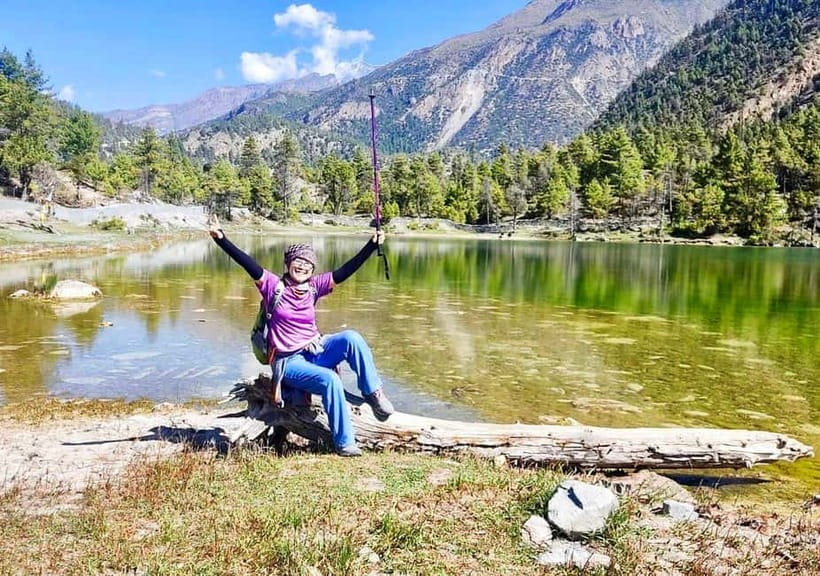
The trail from Pisang to Manang takes another five to six hours. Manang sits at 3,540 meters and is one of the most memorable settlements on this shortened circuit.
Here, the cultural shift becomes clearer. The route moves away from the Hindu villages of the lower foothills toward Tibetan traditions in upper Manang. The buildings, dry terrain, and mountain setting create a very different feel from the forested valleys below.
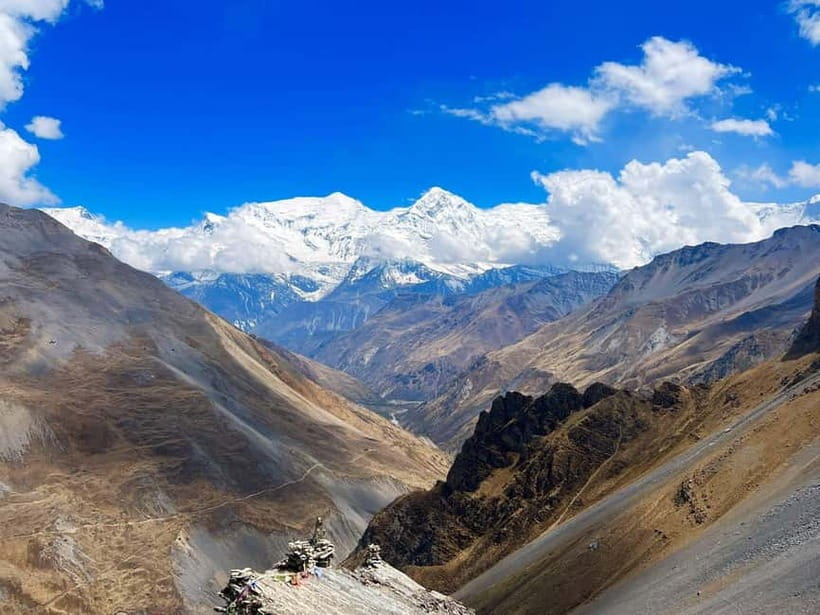
The views can include Annapurna, Dhaulagiri, Machhapuchhre, Manaslu, Gangapurna, and Tilicho Peak, along with many other peaks between 6,000 and 8,000 meters. You should not expect every summit to be visible at all times, since weather controls the view, but the route is designed around some of the finest mountain scenery in the region.
Manang is also where the schedule slows down for one acclimatization day. That rest day is valuable, but it is not a free pass. You remain at 3,540 meters, and the following days climb rapidly toward the pass. Use the day to rest, drink what is available, organize your layers, and prepare for the high camps.
More walking in the hills of Kathmandu:
- Everest Base Camp Trek – 14 Days
★ 5.0 · 1,499 reviews - Everest Base Camp Trekking
★ 5.0 · 485 reviews - Nagarkot Sunrise View and Day Hiking from Kathmandu
★ 5.0 · 471 reviews - Everest Base Camp Trekking – 13 Day
★ 5.0 · 365 reviews
The jump to Ledar at 4,250 meters
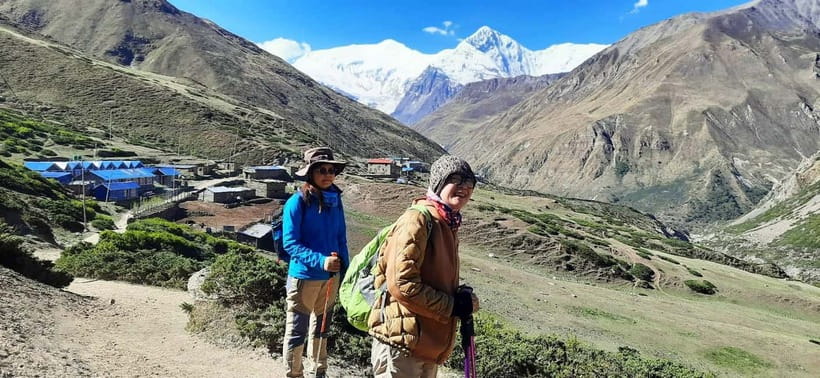
Day 6 takes you from Manang to Ledar in five to six hours. The overnight altitude rises to 4,250 meters, a significant change from Manang.
The scenery now enters the dry rain-shadow country of Manang. You leave much of the greener valley behind and walk through a more exposed high mountain setting. Annapurna and nearby peaks remain the visual reward, but the air is thinner and the trail demands more from your legs.
This is one of the most important days for honest self-assessment. Headache, nausea, unusual tiredness, or poor coordination can be signs that you are not adapting well. The package includes an experienced licensed trekking guide and first aid when needed, but first aid is not a substitute for travel insurance or a safe decision about continuing.
Travel insurance is mandatory. Make sure your policy suits a trek reaching 5,416 meters, since the itinerary includes a high pass and remote mountain sections. The supplied information does not specify evacuation coverage, so you should check the policy details yourself before departure.
High Camp and the final climb
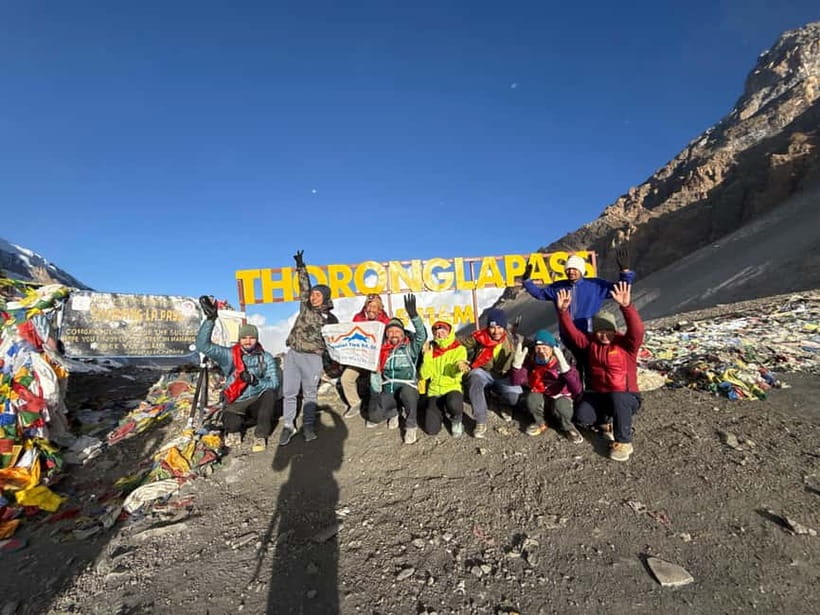
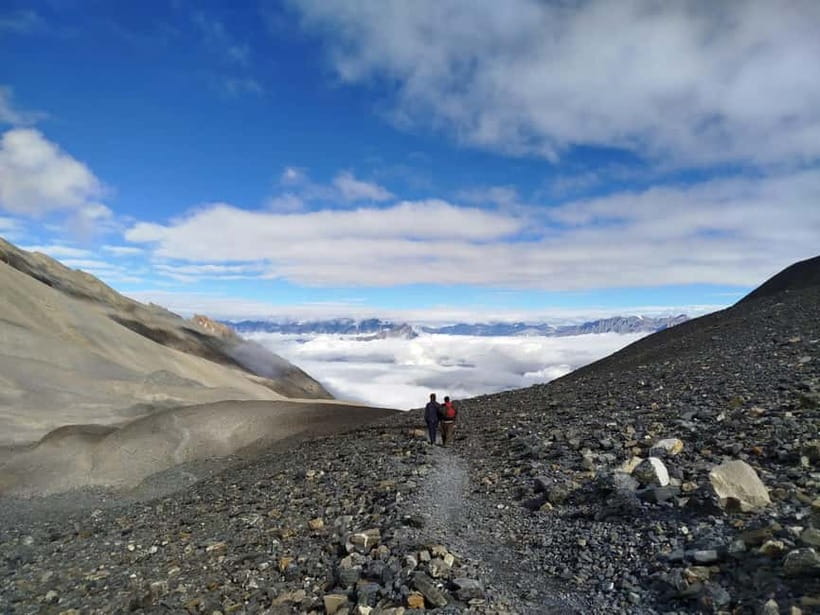
The Day 7 trek to Phedi or High Camp takes five to six hours and reaches 4,600 meters. This is a short distance on paper, but the altitude makes the day feel much harder than a similar walk at low elevation.
The high camp stop sets up the crossing of Thorong La. Accommodation remains in a mountain guesthouse, and the package includes a down jacket, sleeping bag, and trekking poles. Those items are useful, but you still need proper hiking shoes, warm layers, gloves, and a camera if you want to record the views.
The itinerary does not give a specific departure time for the pass crossing. Ask your guide about the day’s plan, expected conditions, and what to carry in your daypack. You should be prepared for a very early start if that is required by the route and weather, though the exact time is not stated.
Thorong La to Muktinath and Jomsom
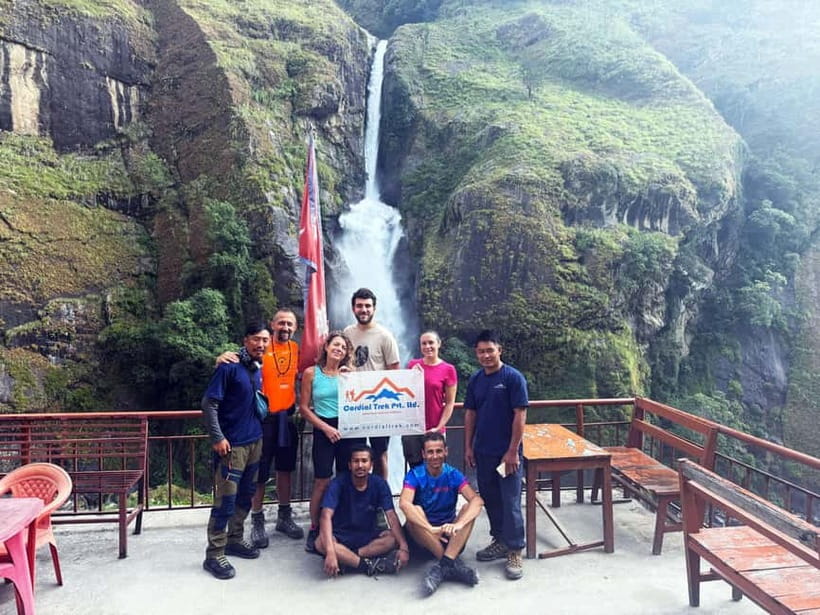
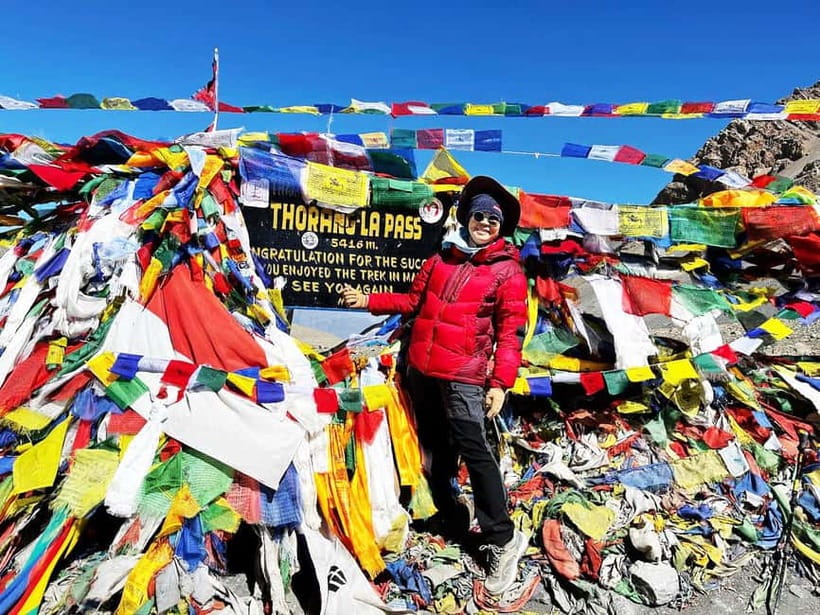
Day 8 is the trip’s centerpiece. You walk from Phedi or High Camp over Thorong La at 5,416 meters, then descend to Muktinath before taking a bus for about an hour to Jomsom.
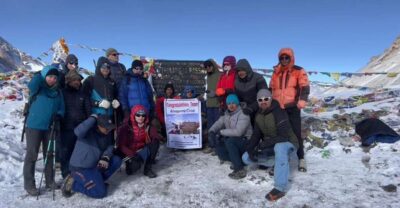
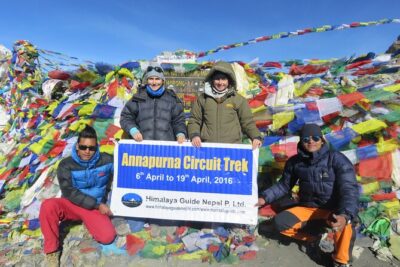
Crossing the pass is a major physical achievement, but the day is not only about the number. You get wide mountain views and a sunrise setting that guide Smile’s guest especially valued. The crossing can feel stark and exposed, with cold air and little room for a casual pace. Your guide’s role matters most here, especially in judging speed and helping you stay focused.
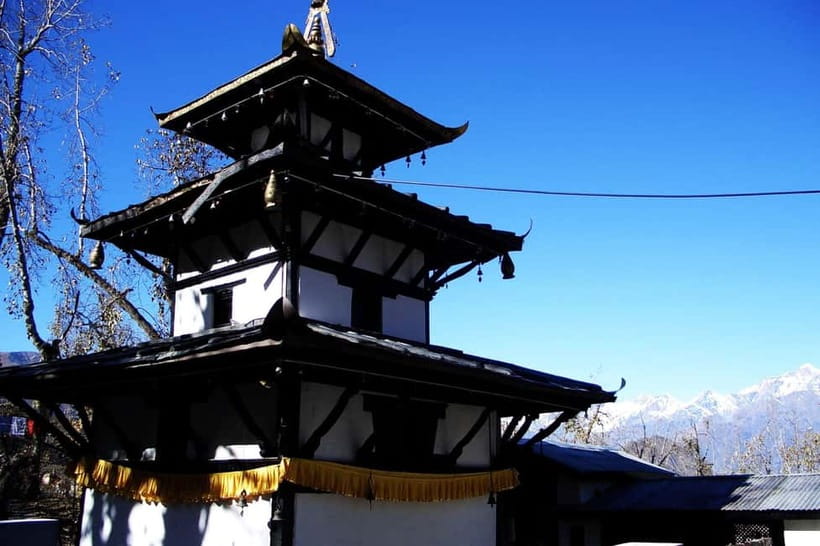
The descent to Muktinath changes the mood quickly. Muktinath Temple is sacred to both Hindus and Buddhists, and its presence gives the trek a strong spiritual dimension. You are not simply crossing from one valley to another. You are moving into a region where religion, trade, mountain travel, and local life meet.
From Muktinath, the bus to Jomsom takes about an hour. This is a practical shortcut that keeps the trip within nine days, though it also means your final walking day combines a high pass, a long descent, and road transport. Expect a tiring schedule.
The flight or bus back to Pokhara
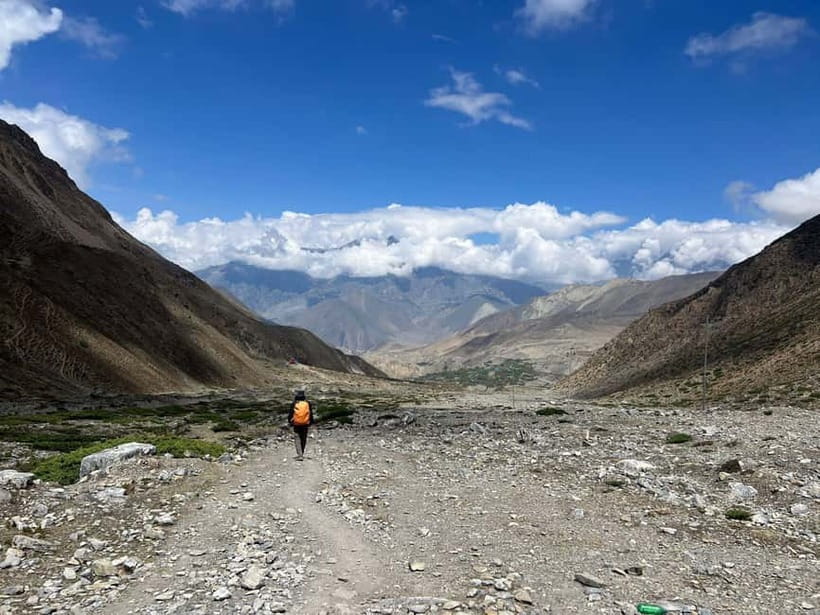
On Day 9, you return to Pokhara by either a flight of about 20 minutes or a bus ride of six to seven hours. The flight is included only with the all-inclusive option. For the budget option, you need to pay separately, with an add-on available.
The short flight saves most of the day and gives you a quick return to lower altitude. The bus costs less but adds another long road journey after the hardest day of the trek. If you are choosing the budget plan, include this decision in your total cost rather than treating the advertised price as the final amount.
Transfer to your hotel in Pokhara is included at the end. The program lists Pokhara as the return point, not Kathmandu, so confirm your onward plans before booking if you need to return to the capital.
Guesthouses, food, porter service, and equipment
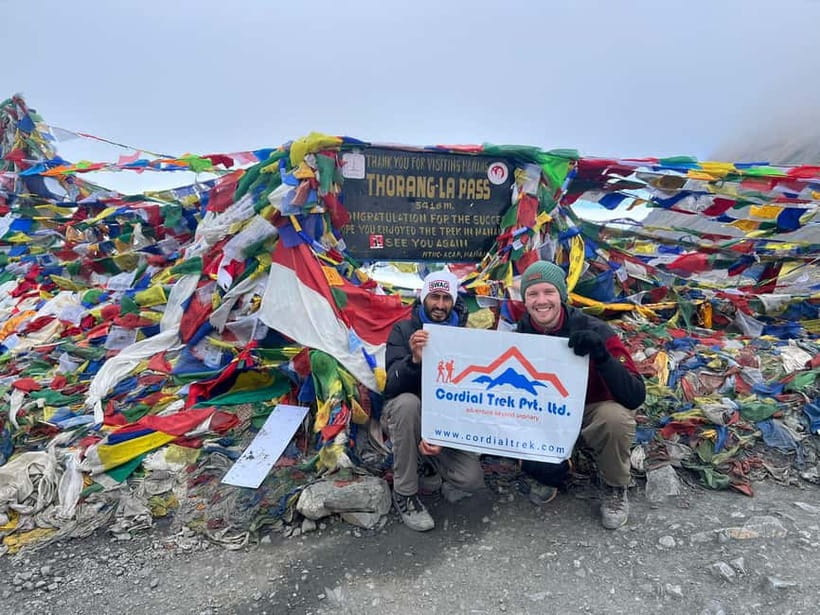
The lodging is in mountain guesthouses for eight nights. One recent account describes the rooms as cozy, often private, and the food as generous and good. That is encouraging, but you should still expect basic mountain accommodation rather than hotel facilities.
Hot showers, Wi-Fi, and battery charging are not included. Hot, cold, and alcoholic drinks are also excluded, along with extra snacks. Bring cash for these items, and do not assume that every guesthouse will offer the same services.
The all-inclusive package includes eight breakfasts, nine lunches, and eight dinners. The budget option does not include meals unless you add them. The difference matters because food costs add up over nine days, especially when you are eating at mountain guesthouses.
Porter service is included only with the all-inclusive option or as an add-on. One porter is assigned for every two people, with a maximum weight of 25 kilograms. You still need a personal daypack for water, warm clothing, documents, snacks, and anything you may need during the day.
The equipment package includes a down jacket, sleeping bag, and trekking poles. Trekking shoes are not listed as included, so bring your own hiking shoes. A camera, cash, passport, or passport copy are also on the recommended list.
What the $365 price really covers
The $365 starting price is attractive for a nine-day trip with a licensed guide, permits, ground transport, guesthouse accommodation, and hotel pickup. It also includes Annapurna Conservation Area and TIMS permits, which are necessary parts of the route.
The price becomes less simple when you compare package options. On the budget plan, meals, porter service, and the Jomsom to Pokhara flight are separate. You can add them, but you should compare the final total with the all-inclusive rate before deciding.
The all-inclusive choice covers meals, one porter for every two people, and the Jomsom to Pokhara flight. It is likely the easier option for anyone who wants fewer daily money decisions. The budget option may suit a careful spender who already has some trekking equipment and does not mind carrying more or paying as needed.
The guide is the biggest value item. A good guide helps with pacing, daily plans, altitude awareness, and local context. Guide Smile is specifically praised for adapting the hike to personal speed, explaining each day, encouraging progress, and sharing small snacks when energy dropped. Those practical touches can matter more than a fancy room on a difficult pass day.
Who should choose this condensed circuit?
I would point this trip toward fit hikers with limited time who want Thorong La, Muktinath, Manang, and the main mountain views without completing the longer version of the circuit. The private group format is useful if you want more direct communication with your guide and a pace that can be adjusted within the group.
I would not choose it for someone with mobility limitations, since the route includes steep mountain walking, a high pass, and long transport days. The activity also lists people over 95 as unsuitable. More broadly, anyone uncertain about high-altitude trekking should speak with a medical professional before booking.
The nine-day schedule rewards preparation. Bring reliable hiking shoes, warm clothing, cash, and a realistic attitude about basic facilities. Send a passport copy and recent passport photograph at least one day before the trip so the trekking permits can be processed.
Free cancellation is available up to 24 hours before departure, and you can reserve now and pay later. Those policies give you some booking flexibility, but they do not remove the need to check insurance, package inclusions, and altitude readiness.
Should you book the Annapurna Circuit Trek?
Book it if you want a fast, focused route to Thorong La and accept that the pass is the goal of a serious high-altitude trek. The combination of Manang’s cultural change, Muktinath Temple, mountain views, and guide support gives the trip real substance beyond scenery.
Think twice if you want a relaxed walking holiday, private bathrooms, included drinks, or a slow altitude schedule. For the best value, compare the budget and all-inclusive totals, then decide if the flight, meals, and porter are worth adding. If the numbers work and you prepare properly, this is a compact way to experience one of Nepal’s great mountain routes.
FAQ
How long is the Annapurna Circuit Trek?
The trek lasts nine days, including transport from Kathmandu or Pokhara, the walking route, and the return to Pokhara.
Can I start the trip from Kathmandu or Pokhara?
Yes. Pickup is available from your hotel or residential apartment entrance in Kathmandu or Pokhara.
How high is Thorong La Pass?
Thorong La Pass reaches 5,416 meters, or 17,769 feet.
Is there an acclimatization day?
Yes. Day 5 is an acclimatization day in Manang, which sits at 3,540 meters.
How do I return from Jomsom to Pokhara?
You can return by a flight lasting about 20 minutes or by bus, which takes approximately six to seven hours. The flight is included with the all-inclusive option, while the budget option requires a separate ticket or add-on.
Are meals included?
Meals are included with the all-inclusive option or when selected as an add-on. The all-inclusive plan provides eight breakfasts, nine lunches, and eight dinners.
Is a porter included?
A porter is included with the all-inclusive option or as an add-on. The arrangement is one porter for every two people, with a maximum weight of 25 kilograms.
What equipment is provided?
The package provides a down jacket, sleeping bag, and trekking poles. Hiking shoes are not listed as included, so you need to bring your own.
Do I need travel insurance?
Yes. Travel insurance is mandatory for this activity.
New in the Kathmandu listings
- Traditional Momo Making Class★ 5.0 · 10 reviews
- Kathmandu: Ancient City Kirtipur & Pharping Monastery Tour★ 5.0 · 2 reviews
- Kathmandu to Pokhara Premium sofa bus ticket★ 4.0 · 17 reviews
- Women Empowerment Project(Nepali cooking class & jewelry workshop★ 5.0 · 15 reviews
- 7-Day Langtang Valley Trek from Kathmandu★ 5.0 · 1 review
- Kathmandu 2 Nights 3 Days Chitwan Jungle Safari Tour★ 5.0 · 9 reviews
- Yoga Experience Day Trip with Private Transfer From Kathmandu★ 4.0 · 2 reviews
- Wildlife Adventure in Chitwan Nepal★ 4.0 · 4 reviews
Annapurna Circuit Treks, compared.
15-Day Private Annapurna Circuit Trek from Kathmandu
Read our review →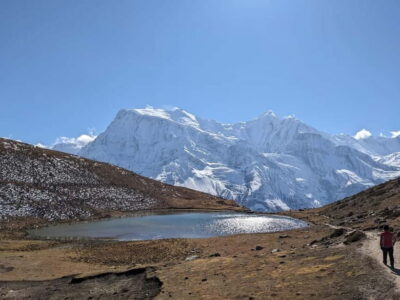
Browse the lists this tour appears in