
REVIEW · EVEREST BASE CAMP TREKS
From Kathmandu: Private 14-Day Everest Base Camp Trek
The mountains begin with a small plane. This private 14-day trek takes you from Kathmandu into the Sherpa heartland, with the famous Lukla flight, careful acclimatization stops, Everest Base Camp, Kala Patthar, and the support of a guide and porter. I especially like the built-in rest days at Namche Bazaar and Dingboche, plus the fact that domestic flights, permits, park fees, lodging, equipment, and airport transfers are included. The main drawback is that this remains a serious high-altitude trek, not a sightseeing holiday, and some route and meal details need confirming before you pay.
The private format is a real advantage. You walk only with your own party, while an experienced guide and Sherpa porter handle much of the practical work. The strongest praise centers on attentive staff, including guides such as Raj Tamang, Prakash Neupane, and Pratip, but flight delays, altitude problems, and basic mountain accommodation are still part of the deal.
In This Review
- Key points to know before booking
- What the $1,650 price really covers
- Kathmandu arrival and the first practical steps
- The Lukla flight and the walk to Namche Bazaar
- Namche Bazaar and Hotel Everest View
- From Namche to Deboche and Dingboche
- Dingboche acclimatization at 4,360 meters
- Lobuche, Gorakshep, and Everest Base Camp
- Kala Patthar at 5,545 meters
- The return through Tengboche and Namche
- The long walk to Lukla and return to Kathmandu
- How difficult is this trek?
- What makes the private format worthwhile
- Important details to confirm before you book
- Who should book this Everest Base Camp trek?
- Should you book it?
- FAQ
- How long is the Everest Base Camp trek?
- Is the Lukla flight included?
- What is the highest point on the trek?
- Are acclimatization days included?
- Is this a private tour?
- What equipment is provided?
- Is travel insurance included?
Key points to know before booking
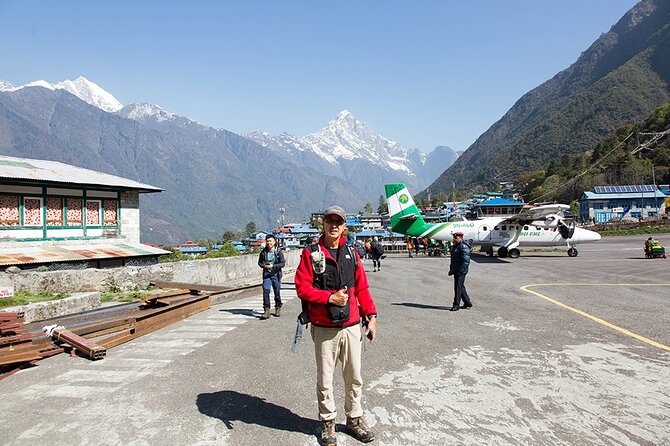
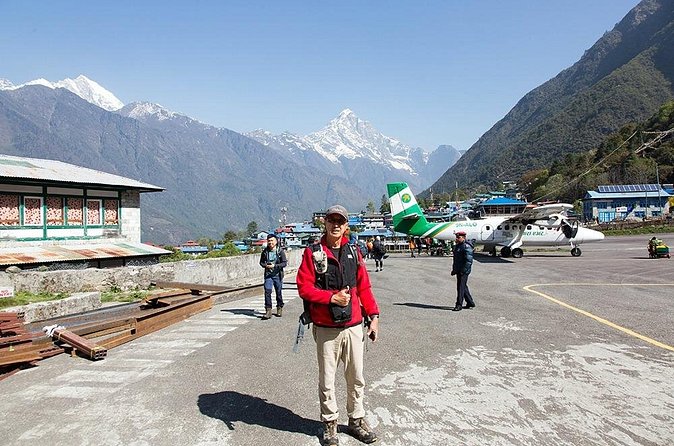
- The Lukla flight is part of the adventure: The 30-minute flight from Kathmandu lands at Tenzing-Hillary Airport, one of the world’s most challenging airstrips.
- Two acclimatization days are built in: You spend a rest day around Namche Bazaar at 3,438 meters and another in Dingboche at 4,360 meters.
- The goal is higher than Everest Base Camp: Kala Patthar reaches 5,545 meters, giving you the trek’s highest point and one of its key mountain views.
- Your package includes useful gear: A down jacket, sleeping bag, and duffle bag are supplied on a returnable basis.
- The price covers major essentials: At $1,650 per person, the package includes domestic flights, lodging, meals listed in the inclusions, permits, park fees, transfers, a guide, and a porter.
- You need insurance and a flexible attitude: Travel insurance is compulsory, and bad weather can force a new date or cancellation.
What the $1,650 price really covers
At $1,650 per person, this is not a bargain basement trek, but the price covers many costs that can quickly add up in Nepal. Domestic flights between Kathmandu and Lukla are included, as are airport transfers, accommodations, necessary trekking permits, and Sagarmatha National Park fees.
You also receive an experienced trekking guide and a Sherpa porter. That matters here. A private guide can adjust the walking pace, monitor how you are coping at altitude, and help with decisions when the trail or weather becomes difficult. Past feedback gives particular credit to guides who checked physical condition regularly and offered practical choices rather than simply pushing ahead.
The equipment loan is another useful saving. You receive a down jacket, sleeping bag, and duffle bag, all listed as returnable equipment. That can spare you from buying bulky cold-weather gear for one trip. You still need personal clothing, footwear, insurance, and other trekking supplies.
Meals are listed as 11 lunches, 12 dinners, and 13 breakfasts. The wording is slightly awkward, so I would ask for a clear day-by-day meal schedule before departure. Personal expenses, Nepal visa costs, guide and porter gratuities, travel insurance, unspecified meals, and a solo supplement are not covered.
The package also includes a company T-shirt, trekking map, and trip certificate. These are small extras, but the map may be useful for following the route and the certificate makes a pleasant record of the achievement.
More Everest Base Camp treks:
- Everest Base Camp Trek – 14 Days
★ 5.0 · 1,499 reviews - Everest Base Camp Trekking
★ 5.0 · 485 reviews - Everest Base Camp Trekking – 13 Day
★ 5.0 · 365 reviews
Kathmandu arrival and the first practical steps
Day one is deliberately light. A Cordial Trek representative meets you at Tribhuvan International Airport, transfers you to your hotel, and helps you settle in. Admission is free because this is an arrival and preparation day rather than a sightseeing program.
That first night matters more than it may seem. You are moving from an international flight into a demanding mountain schedule, so a hotel transfer and organized arrival remove needless friction. Use this time to check your equipment, confirm the Lukla flight, and make sure you understand what your guide and porter will carry.
The tour runs from Kathmandu, and pickup is offered. The meeting information lists availability every day from 12:15 AM to 11:45 PM, which is broad enough to cover international arrivals, but you should still confirm your exact pickup details.
The Lukla flight and the walk to Namche Bazaar
Day two starts with a roughly 30-minute flight from Kathmandu to Lukla. The destination is Tenzing-Hillary Airport, an airstrip famous for its short runway and steep mountain setting. The flight itself is included, but weather can affect the schedule. This is one reason you should avoid connecting the trek directly to a tight international departure.
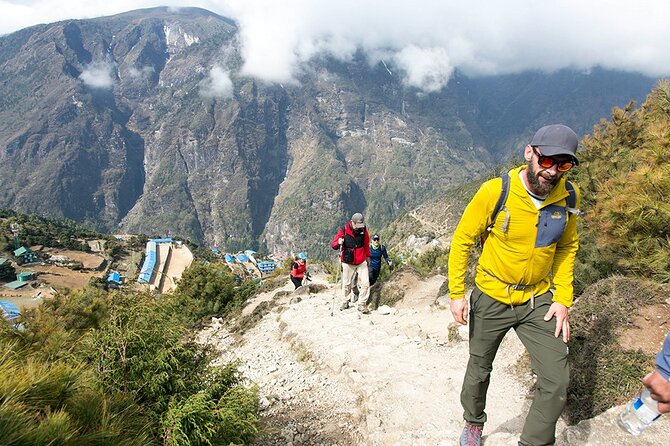
At Lukla, you meet the support team and begin walking. The itinerary sends you onward toward Phakding, followed by the six-hour hike to Namche Bazaar on day three. The route passes through Manjo village and enters Sagarmatha National Park, a UNESCO World Heritage Site.
Namche sits at 3,438 meters, so the walk is not simply a warm-up. You will cross suspension bridges, climb steadily, and feel the altitude more clearly as the day goes on. I like that the itinerary gives you a full acclimatization day after reaching the town instead of rushing straight toward the higher villages.
Namche is the Khumbu Valley’s main trade and meeting center. The tour allows time for local pubs and cafés on the return journey, but its real value on the way up is physiological: your body gets a chance to adjust before the trail rises again.
Namche Bazaar and Hotel Everest View
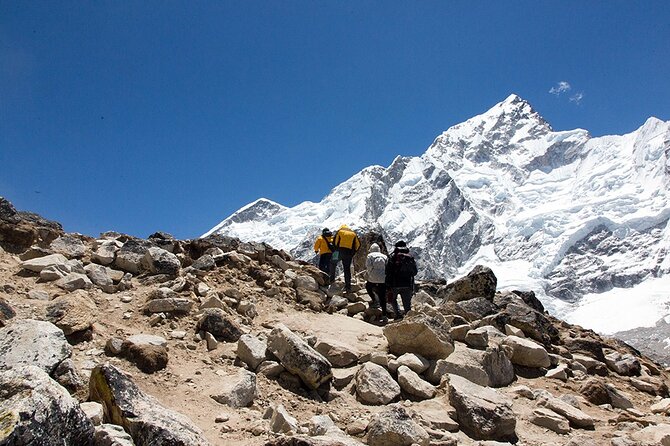
Day four is your first dedicated acclimatization day. The plan includes a guided outing to the Everest View Point and Hotel Everest View, which sits inside Sagarmatha National Park and offers a 360-degree panorama of the surrounding peaks.
This is a smart type of acclimatization walk. You gain height during the day, see more of the mountains, and return to sleep at a lower elevation in Namche. The itinerary gives the hotel visit about an hour, so expect a viewpoint stop rather than a long hotel stay.
The built-in rest day is one of the tour’s strongest features. Altitude sickness is not something you can simply outwalk. A guide who pays attention to your condition is especially valuable here. Raj Tamang is repeatedly praised for a systematic approach to assessing fitness and suggesting suitable choices, while Prakash Neupane is described as warm and highly supportive. The specific guide assigned to you may differ, but those are useful names to request if they are available.
More walking in the hills of Kathmandu:
- Nagarkot Sunrise View and Day Hiking from Kathmandu
★ 5.0 · 471 reviews - Annapurna Circuit Trek with Tilicho Lake
★ 5.0 · 368 reviews - Everest Base Camp Trek -14 Days
★ 5.0 · 321 reviews - Annapurna base camp trek 5 Days
★ 5.0 · 252 reviews
From Namche to Deboche and Dingboche
On day five, you walk from Namche Bazaar to Deboche, a roughly six-hour day reaching about 3,820 meters. The route includes views and cultural stops around the Monastery area, though the supplied schedule does not spell out every stop in detail.
Deboche gives you a quieter overnight point before the trail climbs farther into the valley. Mountain lodging at this altitude is functional rather than luxurious. Expect the focus to be warmth, food, rest, and a place to sleep, not hotel-style comfort.
Day six takes you from Deboche to Dingboche in about five hours. The route passes the Lobuche River and reaches 4,360 meters. The itinerary lists 14,305 feet alongside this elevation, but that feet figure does not match 4,360 meters, which is about 14,300 feet. The metric figure is the sensible one to use.
Dingboche is where the air begins to feel distinctly thin. The walking hours may look moderate, but altitude changes the effort. You will want to keep your pace steady, drink regularly, and listen closely to your guide.
Dingboche acclimatization at 4,360 meters
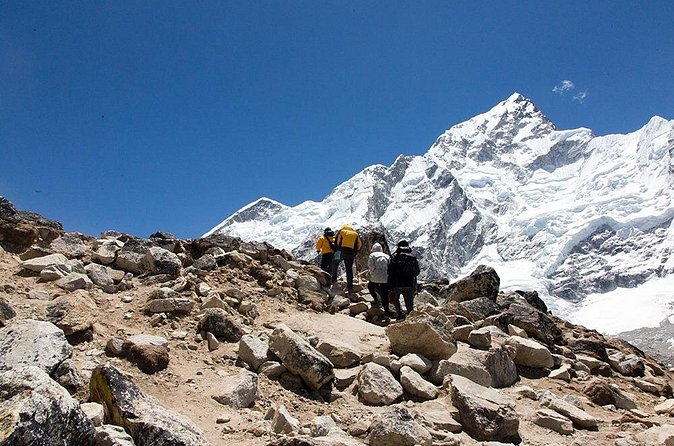
Day seven is another full acclimatization day. The schedule includes a guided hike toward Nangkartshang Peak, although the provided description does not state how far you go or the exact height reached.
This rest day is even more important than the one at Namche. You are already above 4,000 meters, and the next few days take you close to 5,000 meters before the final push to Base Camp. I like the steady rhythm: walk, gain altitude, rest, then continue.
A private group can make this day more comfortable because the guide can adapt the outing to your condition. The experience is not designed for a large party moving at one fixed pace. It suits people who want structure but also need room to slow down.
Lobuche, Gorakshep, and Everest Base Camp
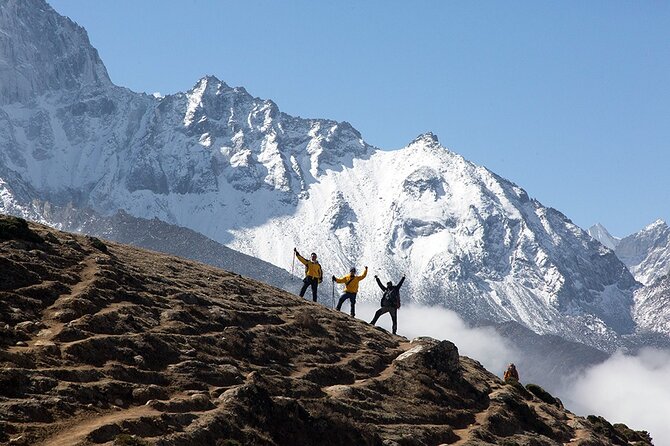
Day eight takes you from Dingboche to Lobuche in roughly four to five hours. The maximum elevation is about 4,940 meters. Lobuche lies near the Khumbu Glacier, and the settlement is small, remote, and practical.
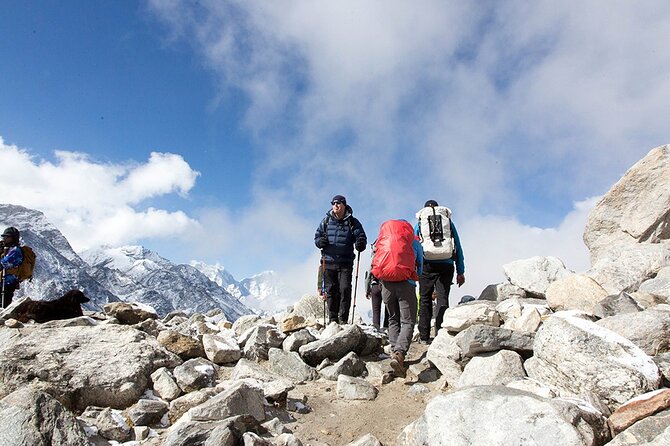
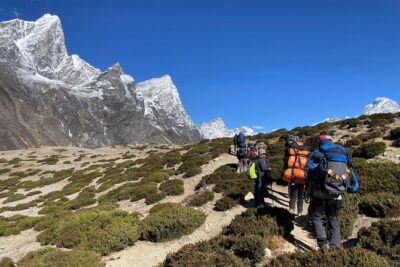
The walk may be shorter than earlier days, but the altitude makes it demanding. At this point, the scenery is a major reward. You are moving among enormous peaks, glacier country, and the stark upper Khumbu Valley. The views help distract from the slow pace, though you should not mistake beautiful conditions for easy walking.
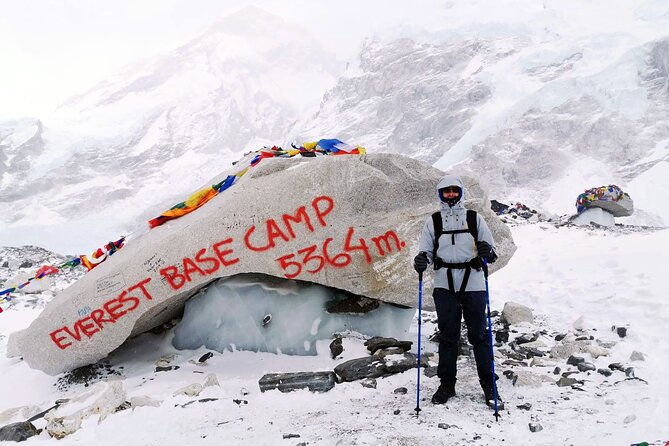
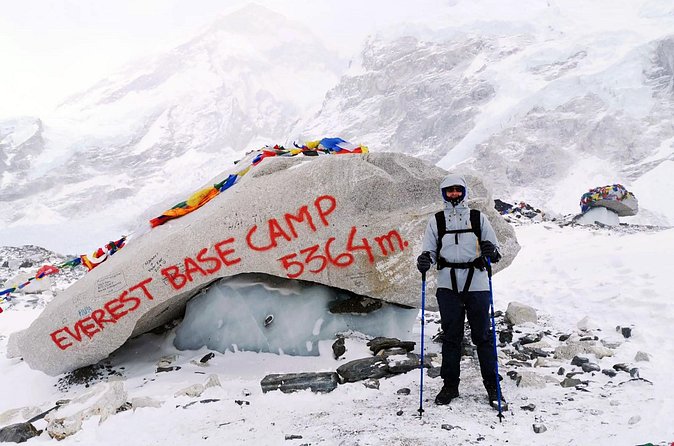
On day nine, you continue from Lobuche to Gorakshep, at 5,164 meters, and then walk to Everest Base Camp at 5,364 meters. This is the emotional high point of the itinerary. The Base Camp itself is one of the world’s best-known trekking destinations, but it is important to understand what it is not: it is not the summit, and it is not a permanent village. It is the staging area for climbers attempting Everest.
The route to Base Camp is usually more about effort and setting than a single dramatic viewpoint. You are surrounded by the Khumbu Glacier and major Himalayan peaks, with the knowledge that mountaineers have used this ground before attempting the highest mountain on Earth.
You return to Gorakshep for the night. At 5,164 meters, sleep can be poor and the cold can be intense. This is where the supplied sleeping bag and down jacket become practical rather than decorative.
Kala Patthar at 5,545 meters
Day ten begins early with a roughly three-hour round trip to Kala Patthar from Gorakshep. At 5,545 meters, Kala Patthar is higher than Everest Base Camp and is the trek’s highest point.
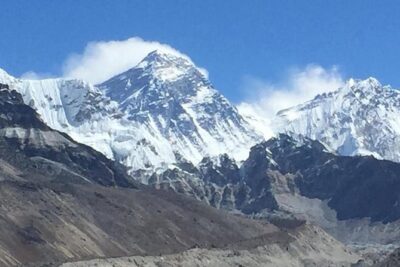
This morning hike is often the best place for a broad view of Everest and the surrounding peaks. The early start is demanding, but the light can make the mountains look especially sharp. You should expect a slow climb, short breaks, and a strong need to follow your guide’s pace.
I consider Kala Patthar essential to the route, not an optional add-on. Base Camp gives you the destination and the mountaineering atmosphere. Kala Patthar gives you the high viewpoint that helps you understand the scale of the valley and the peaks around it.
The return through Tengboche and Namche
The return begins after the high point. Day eleven sends you back toward Namche Bazaar via Tengboche, with about six to seven hours of walking. The schedule refers to starting from Pheriche, so confirm the exact overnight arrangement with the operator because the listed day-by-day plan has a small gap after Kala Patthar.
Tengboche Monastery is one of the route’s major cultural stops. The monastery adds meaning to a trek that could otherwise become a long march between mountain lodges. It also gives you a chance to see how Sherpa Buddhist culture shapes the Khumbu Valley.
Namche is a welcome place to spend the night. The itinerary specifically allows time for local pubs and cafés, giving you a more relaxed evening after the high-altitude section. The town is also a useful place to enjoy the change in air and temperature before the final walk to Lukla.
The long walk to Lukla and return to Kathmandu
Day twelve takes you from the Namche area back to Lukla via Phakding, with seven to eight hours of walking. This is a long final trekking day, especially after the demanding route to Base Camp and Kala Patthar.
You spend the night in Lukla and have time to visit the local bazaar. The evening includes a farewell with the crew, an important moment after days of shared effort. The guide and porter are central to the experience, so budget separately for gratuities as these are not included.
On day thirteen, you fly from Lukla back to Kathmandu. The flight is included, but the schedule can be affected by poor weather. One useful detail from past bookings is that the operator has worked hard to place people on direct Kathmandu to Lukla flights during difficult periods, although no flight arrangement can remove mountain weather from the equation.
You return to your hotel and have free time in Kathmandu. Day fourteen includes the trip certificate, a final farewell, and airport drop-off three hours before your international departure.
How difficult is this trek?
The tour states that you need a moderate level of physical fitness. That description should not make you underestimate the route. The days are not all extremely long, but the altitude rises from Kathmandu to 5,545 meters, and even a short walk can feel tough near Gorakshep and Kala Patthar.
You should be comfortable walking for several hours on mountain trails, handling repeated uphill and downhill sections, and spending nights at basic high-altitude lodges. The private format helps with pace and support, but it does not reduce the elevation.
The acclimatization days are a major safety feature. So is the guide’s role in checking how you feel. If you develop serious altitude symptoms, the correct response is to tell your guide immediately and follow the advice given.
What makes the private format worthwhile
A private trek costs more than joining a large group, but it gives you control over the pace and daily rhythm. That matters when one person in a group feels strong and another needs more rest. The tour is for your party only, not a mixed group assembled at the last minute.
The included porter also changes the experience. Carrying less makes a long day more manageable, though you remain responsible for your daypack and personal belongings. Equipment such as a duffle bag and sleeping bag further reduces the amount you need to transport from home.
The best staff feedback focuses on attention, not showmanship. Guides Raj Tamang, Prakash Neupane, and Pratip are praised for being supportive, patient, and careful about condition. Manager Ramesh is also noted for staying attentive to arrangements. Ask in advance who will lead your trek, since the named guides are examples from past departures, not a guarantee.
Important details to confirm before you book
The material describes the trip as both 14 days and 15 days. The detailed schedule clearly runs from day one through day fourteen, so treat it as a 14-day program, but ask Cordial Trek to confirm the final duration.
You should also clarify:
- The exact hotel names in Kathmandu and on the trail
- The complete meal schedule, since only meal totals are given
- The guide assigned to your private group
- The exact routing between Kala Patthar, Pheriche, and Namche
- The solo traveler surcharge
- What happens if the Lukla flight is delayed
- The precise equipment deposit or return arrangements, if any
Confirmation is provided at booking. The tour is near public transportation, offers pickup, and may provide group discounts. Free cancellation is available up to 24 hours before the start time. Inside that window, changes and refunds are not accepted. If poor weather cancels the experience, you are offered another date or a full refund.
Who should book this Everest Base Camp trek?
I would recommend it to you if you want the classic Everest route with a private guide, porter support, included domestic flights, and planned acclimatization. It is a good fit for someone who values organization but does not want to walk in a large group.
It also suits people who want the full sequence: Lukla, Namche Bazaar, Hotel Everest View, Tengboche Monastery, Dingboche, Everest Base Camp, and Kala Patthar. The route gives you both the cultural side of the Khumbu Valley and the high mountain finish.
I would hesitate if you want comfort, flexible luxury, or a short holiday. The altitude is serious, the walking days can be long, and weather may disrupt flights. You also need compulsory travel insurance, a Nepal visa, personal spending money, and a separate gratuity budget.
Should you book it?
Book this trek if the private support, included flights, equipment, permits, and two acclimatization days match what you need. At $1,650, the package offers solid value because many expensive essentials are already bundled into one price.
Before committing, confirm the 14-day duration, route details after Base Camp, meal coverage, flight procedures, and guide assignment. If those details are clear, this is a well-planned way to reach Everest Base Camp without having to arrange every permit, transfer, flight, and lodge yourself.
FAQ
How long is the Everest Base Camp trek?
The detailed schedule runs for 14 days, from arrival in Kathmandu on day one to airport drop-off on day fourteen. The tour description also refers to 15 days, so confirm the final duration before booking.
Is the Lukla flight included?
Yes. Return domestic flight tickets between Kathmandu and Lukla are included in the package price.
What is the highest point on the trek?
Kala Patthar is the highest point listed, at 5,545 meters or 18,193 feet. Everest Base Camp is listed at 5,364 meters.
Are acclimatization days included?
Yes. The itinerary includes one acclimatization day in Namche Bazaar at 3,438 meters and another in Dingboche at 4,360 meters.
Is this a private tour?
Yes. Only your group participates in the activity. An experienced trekking guide and a Sherpa porter are included.
What equipment is provided?
The package includes returnable use of a down jacket, sleeping bag, and duffle bag. A trekking map and company T-shirt are also included.
Is travel insurance included?
No. Travel insurance is compulsory but is not included in the price. Personal expenses, a Nepal visa, guide and porter gratuities, unspecified meals, and a solo traveler surcharge are also excluded.
New in the Kathmandu listings
- Traditional Momo Making Class★ 5.0 · 10 reviews
- Kathmandu: Ancient City Kirtipur & Pharping Monastery Tour★ 5.0 · 2 reviews
- Kathmandu to Pokhara Premium sofa bus ticket★ 4.0 · 17 reviews
- Women Empowerment Project(Nepali cooking class & jewelry workshop★ 5.0 · 15 reviews
- 7-Day Langtang Valley Trek from Kathmandu★ 5.0 · 1 review
- Kathmandu 2 Nights 3 Days Chitwan Jungle Safari Tour★ 5.0 · 9 reviews
- Yoga Experience Day Trip with Private Transfer From Kathmandu★ 4.0 · 2 reviews
- Wildlife Adventure in Chitwan Nepal★ 4.0 · 4 reviews
Everest Base Camp Treks, compared.
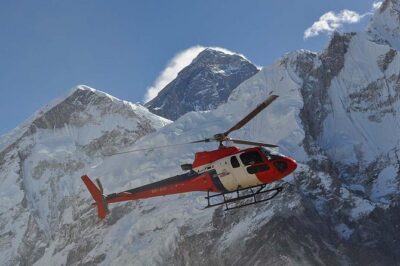
Everest Base Camp Trek with Helicopter Return from Gorakshep to Lukla
Read our review →Browse the lists this tour appears in