
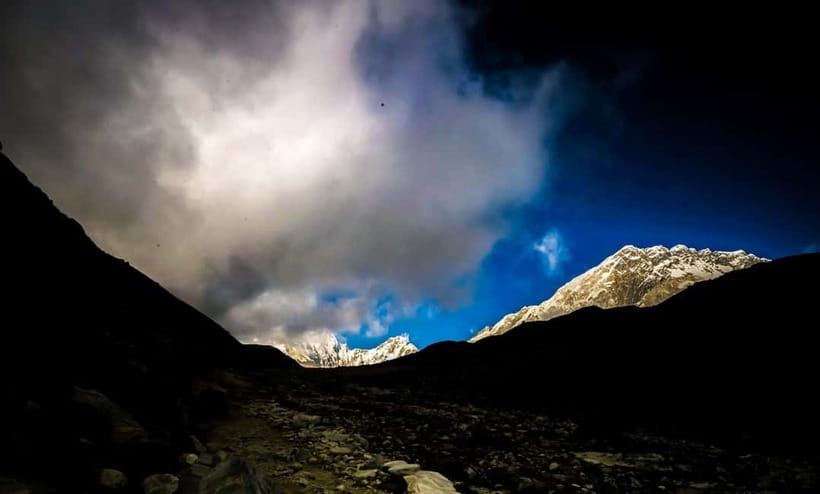
REVIEW · EVEREST BASE CAMP TREKS
Kathmandu: 15-Day Everest Base Camp Trek with Guide
The Himalayas demand patience and strong legs. This 15-day Everest Base Camp trek combines Kathmandu sightseeing, Sherpa villages, Buddhist monasteries, and high mountain views at a listed price of $675 per person. I especially like the private airport transfers and the Kathmandu city tour, which help you get settled before the walking begins. I also like the small-group approach and local Sherpa guides, including guides praised by name such as Kale Prakash and Dillisher Katuwal.
The main catch is that flights to Lukla and meals during the trek are not included. That matters because both can add noticeably to your final cost. Weather can also disrupt the Lukla flights, as happened to one couple who had to switch to the Annapurna Circuit after two unsuccessful attempts.
In This Review
- Key points to know before you book
- What the $675 price really covers
- Days 1 and 2: A gentle start in Kathmandu
- Day 3: The flight to Lukla and the first walk
- Days 4 and 5: Namche Bazaar and the first acclimatization test
- Days 6 and 7: Tengboche monasteries and Sherpa villages
- Days 8 and 9: Chhukung Valley and Lobuche
- Days 10 and 11: Gorakshep, Everest Base Camp, and Kala Patthar
- Days 12 to 15: The long return to Kathmandu
- Guides, organization, and personal support
- Who should book this Everest trek?
- Should you book it?
- FAQ
- How long is the Everest Base Camp trek?
- Are flights between Kathmandu and Lukla included?
- Are meals included during the trek?
- What accommodation is provided?
- Is a guide included?
- Is a porter included?
- What happens if I need to cancel?
Key points to know before you book
- Kathmandu sightseeing comes first: You visit Kathmandu Durbar Square, Swayambhunath, Boudhanath, and Pashupatinath with a guide and private car.
- Lukla flights cost extra: The package does not include the Kathmandu or Ramechhap to Lukla flights, though the company can arrange them.
- Acclimatization is built in: You have a rest day in Namche Bazaar and a day trip to Chhukung Valley from Dingboche.
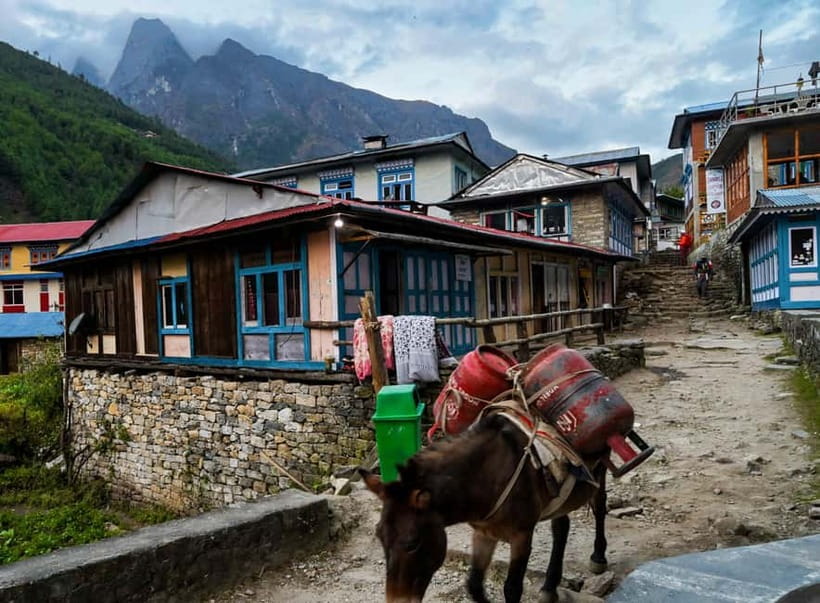
- Sherpa culture is part of the route: The trek passes through villages, monasteries, and the Sagarmatha National Park.
- Guides receive strong praise: Guides have been credited with careful organization, safety, cultural knowledge, and help when trekkers became sick.
- The $675 price needs careful reading: Accommodation, permits, staff costs, and equipment are included, but food, flights, drinks, insurance, and porters are extra.
What the $675 price really covers
At first glance, $675 for 15 days in the Everest region looks like a sharp price. It includes airport and hotel transfers by private car, three nights of standard hotel accommodation in Kathmandu, a private guided city tour, mountain guesthouses, an English-speaking Sherpa guide, park permits, TIMS permits, staff costs, government taxes, and a down jacket and sleeping bag if you need them.
That is a useful package. Permits and staff expenses are already handled, and you do not need to purchase every piece of cold-weather equipment before arriving. The company also provides staff insurance, medicine, and equipment, which shows that the operator is taking more responsibility than a simple guide-only service.
The headline price does not cover the Lukla flights. It also excludes breakfast, lunch, and dinner during the trek, alcoholic drinks, hot and cold drinks, travel insurance, city entrance fees, and porters. Porters are available as an optional add-on, shared between two people.
So I would treat $675 as the base cost, not the final bill. Before paying, ask for the current flight price and confirm exactly which Kathmandu hotel, city entrance fees, meals, and porter services you want. The package can still offer good value, but only if you compare the full cost rather than the advertised starting price.
More Everest Base Camp treks:
- Everest Base Camp Trek – 14 Days
★ 5.0 · 1,499 reviews - Everest Base Camp Trekking
★ 5.0 · 485 reviews - Everest Base Camp Trekking – 13 Day
★ 5.0 · 365 reviews
Days 1 and 2: A gentle start in Kathmandu
Your first day is designed to remove airport stress. A private car collects you at Kathmandu International Airport and takes you to your hotel. You then receive information about the trek from your guide.
That briefing is useful because the next two weeks involve changing weather, high elevations, basic mountain accommodation, and a fixed route. One useful detail from the trip feedback is that the local team helped a guest obtain delayed luggage and also assisted with trekking gear before departure. Arriving with an empty suitcase or missing equipment is no fun, so that kind of support can make a real difference.
Day 2 is a private-car sightseeing day. The schedule includes Kathmandu Durbar Square, Swayambhunath, Boudhanath, and Pashupatinath, also known as the Cremation Temple. These sites give you a quick introduction to the religious and political life of the Kathmandu Valley before you head into the mountains.
The city tour was one of the most praised parts of the experience. An experienced guide helped explain the city and its culture, rather than simply driving between sights. City entrance fees are not included, so budget for those separately.
Day 3: The flight to Lukla and the first walk
The flight from Kathmandu, or from Ramechhap if flight operations require it, takes you to Lukla. The package excludes this airfare, but the company can reserve or book the flight on request.
Lukla is the gateway to the Everest region, and the first walk is relatively easy, taking you toward upper Phakding for the night. This is a sensible opening stage. You begin moving through the valley without starting immediately with a punishing climb.
Over the next several days, the route enters Sagarmatha National Park, a UNESCO World Heritage Site. You pass Buddhist monasteries, meet Sherpa communities, and follow the Dudh Koshi valley toward the high country. The appeal here is not only the peaks. It is the steady change in village life, architecture, prayer sites, forests, and altitude.
The weak point is the flight. Weather at Lukla can interfere with the schedule, and the supplied trip information includes a case where two flight attempts failed. The operator arranged an Annapurna Circuit alternative, private transport, a guide, a porter, two nights in Pokhara, and an extra Kathmandu night. That is good crisis management, but the original Everest goal was still missed and there was no refund for the price difference. Ask about the company’s current policy for delays, cancellations, and route changes before you leave home.
Days 4 and 5: Namche Bazaar and the first acclimatization test
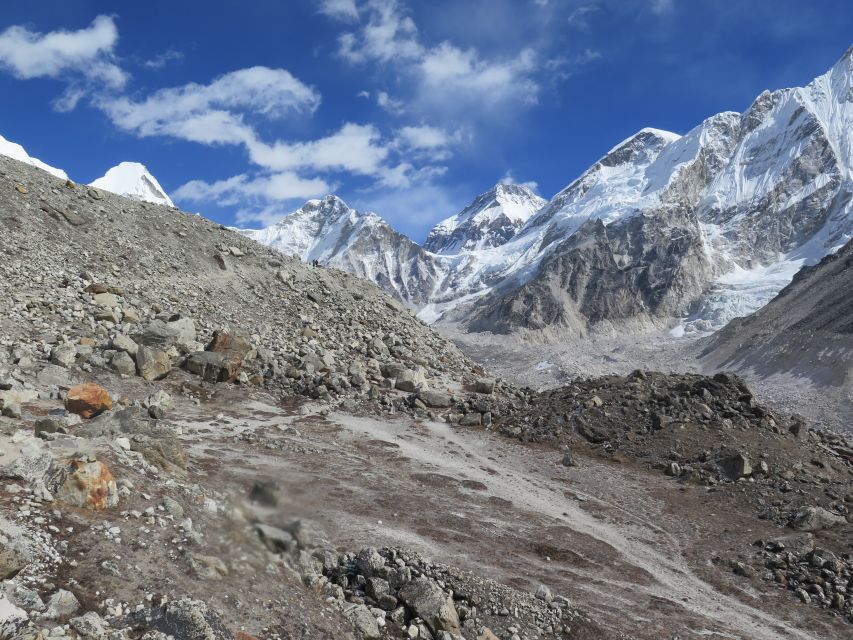
On Day 4, you follow the Dudh Koshi valley and climb toward Namche Bazaar. This is a key stop in the Everest region, used by both local Sherpa residents and people heading farther into the mountains.
The route includes rhododendron forest and views of snow-covered peaks. Namche is also the first place where the trek begins to feel properly high and remote. You will spend the night here, then use Day 5 for acclimatization.
The acclimatization plan includes a hike to the Everest View Point Hotel in Syangboche at 3,850 meters. This is not a day to prove anything. It is a controlled climb followed by a return to Namche, giving you a chance to adjust before going higher.
The itinerary is well designed in this respect. A rest day does not mean lying in bed all day. You walk higher, return lower, and use the time to see the Everest region without giving up a night of recovery. The guide’s role matters here. Guests have repeatedly praised the local team for safety, practical care, and attention when someone became ill.
More walking in the hills of Kathmandu:
- Nagarkot Sunrise View and Day Hiking from Kathmandu
★ 5.0 · 471 reviews - Annapurna Circuit Trek with Tilicho Lake
★ 5.0 · 368 reviews - Everest Base Camp Trek -14 Days
★ 5.0 · 321 reviews - Annapurna base camp trek 5 Days
★ 5.0 · 252 reviews
Days 6 and 7: Tengboche monasteries and Sherpa villages
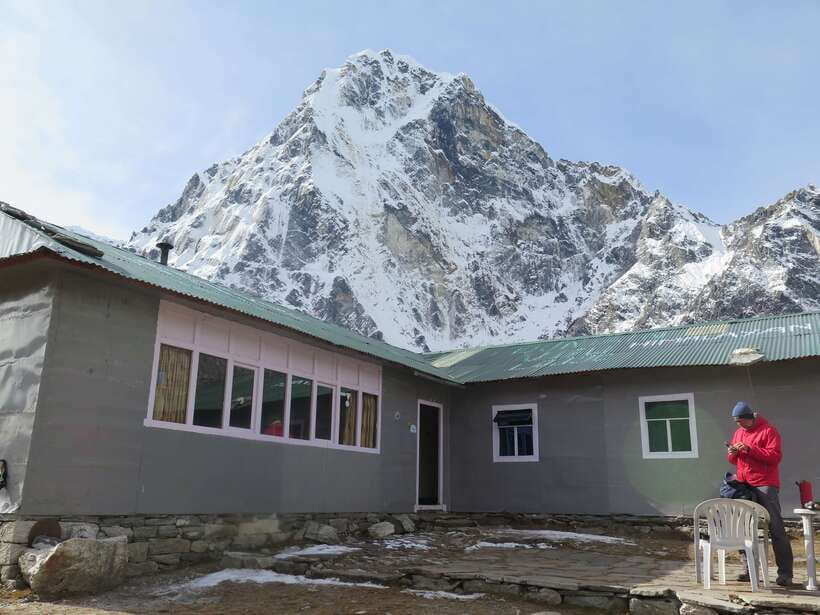
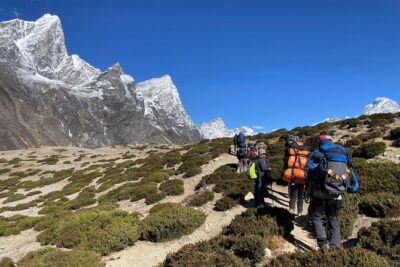
From Namche, the trail continues toward Tengboche. The route is described as chilly and high, with about two hours of climbing before reaching Thyangboche Monastery at 3,867 meters.
The monastery sits on a ridge with views toward Sagarmatha, the Nepali name for Mount Everest. This is one of the cultural highlights of the trek. You are not simply walking from lodge to lodge. You are passing through a living Buddhist region where monasteries and Sherpa villages form part of daily life.
Day 7 takes you onward through Imja Khola, Pangboche, and Pheriche before reaching the Khumbu Glacier area. The route offers a closer look at Sherpa village life and local traditions. Pangboche and Pheriche are important stops because they mark the change from forested lower valleys to the more exposed high mountain zone.
You should expect less comfort as you climb. The package promises the best available guesthouses, but it does not promise luxury. Rooms, food, and facilities in the mountains can vary. The company’s feedback suggests that accommodation and meals were handled well for several people, but you should still pack with basic guesthouse conditions in mind.
Days 8 and 9: Chhukung Valley and Lobuche
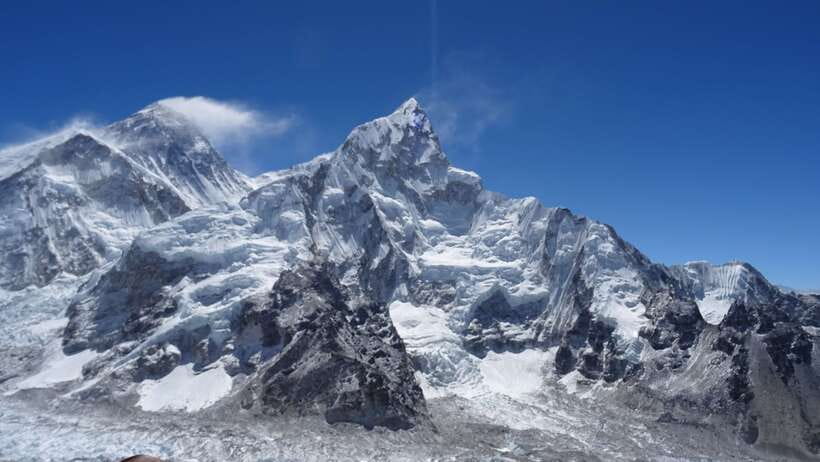
Day 8 is a side trip to Chhukung Valley, followed by a return to Dingboche. The route describes this as one of the world’s best hikes, though the value for you is less about the slogan and more about the extra time at altitude.
A second night in Dingboche gives you another chance to adjust before the route climbs higher. It also adds variety. Instead of simply pushing toward Base Camp, you get a side journey through another part of the high valley.
Day 9 leads to Lobuche. The description is brief, but this is an important transition point. You are now close to the Everest Base Camp approach, and the surroundings become more stark and exposed. The trek is no longer a valley walk with regular forest cover.
The itinerary allows time to rest at Lobuche and take in the mountain setting. That pause is valuable because the next day takes you to Gorakshep, the small settlement used as the overnight base for the Everest hike.
Days 10 and 11: Gorakshep, Everest Base Camp, and Kala Patthar
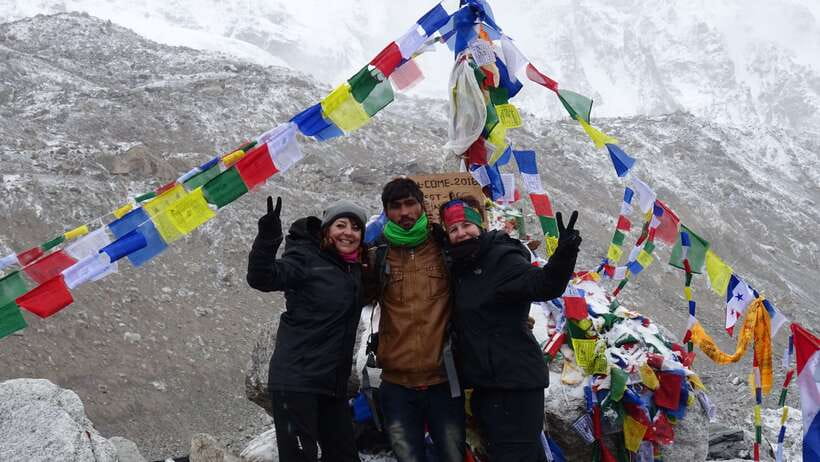
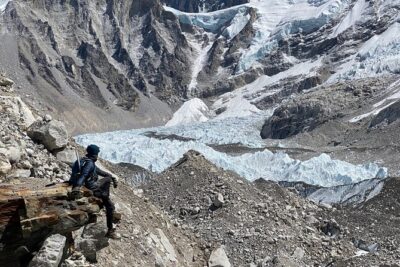
From Lobuche, you hike to Gorakshep, described as a settlement beside a frozen lake and the departure point for Everest Base Camp. You spend the night there after completing the Everest hike.
The wording of the schedule deserves clarification before booking. The overall trip is sold as an Everest Base Camp trek, but the daily plan does not clearly state the exact timing of the Base Camp walk. Ask the company to confirm whether the hike happens on Day 10 after reaching Gorakshep, and how the Kala Patthar visit fits around it.
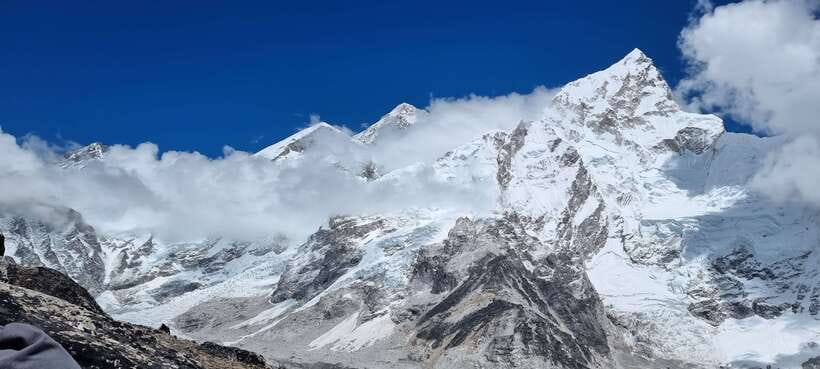
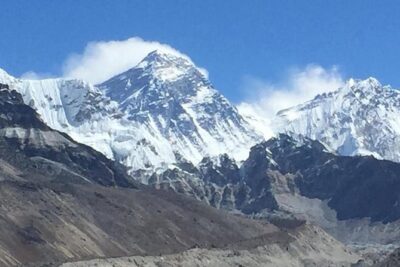
Day 11 begins early with a hike to Kala Patthar, followed by a descent to Pheriche. The early start is meant to provide the best mountain views. Clear weather is never guaranteed, but one guest described getting an excellent clear morning view of Mount Everest from the Gorakshep area after several cloudy and rainy days. That is a useful reminder: mountain weather can hide the very peaks you came to see, then reveal them suddenly.
The descent to Pheriche after Kala Patthar makes Day 11 a demanding day. You should be ready for a long morning at high altitude followed by a substantial downhill walk. The reward is a major viewpoint and the satisfaction of reaching the central goal of the route.
Days 12 to 15: The long return to Kathmandu
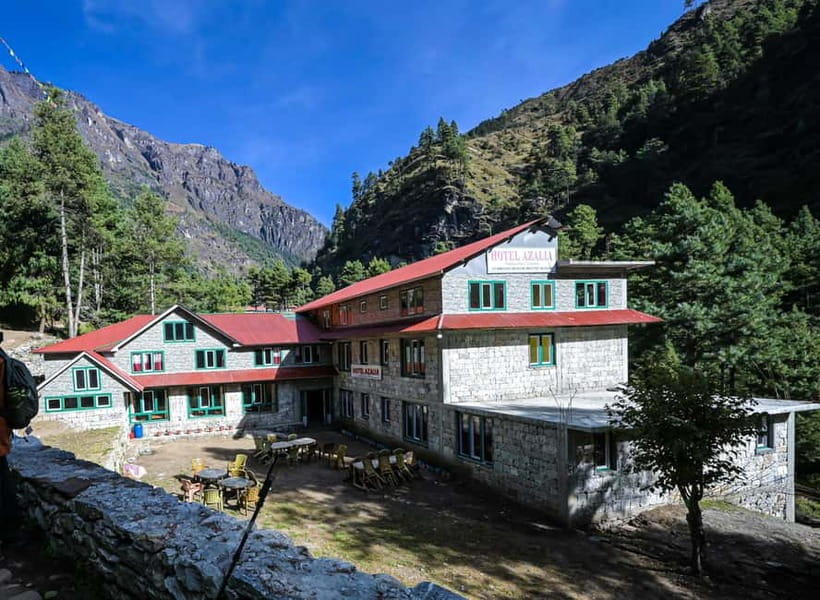
Day 12 begins the descent back to Namche Bazaar. Returning over familiar ground can feel easier, but it still requires care. Your legs have already covered many miles, and downhill walking can be tiring in its own way.
Day 13 continues to Lukla. The schedule calls it a long walk, and this is one place where you should not expect a quick finish. Reaching Lukla marks the end of the mountain journey, but the trip is not complete until the flight departs.
On Day 14, you fly back to Kathmandu and spend the night in a hotel. This buffer is sensible. It gives you time to recover after nearly two weeks of walking and avoids placing an international departure immediately after the Lukla flight.
Day 15 is a private transfer to the international airport. The package includes airport drop-off, which keeps the final morning simple.
Guides, organization, and personal support
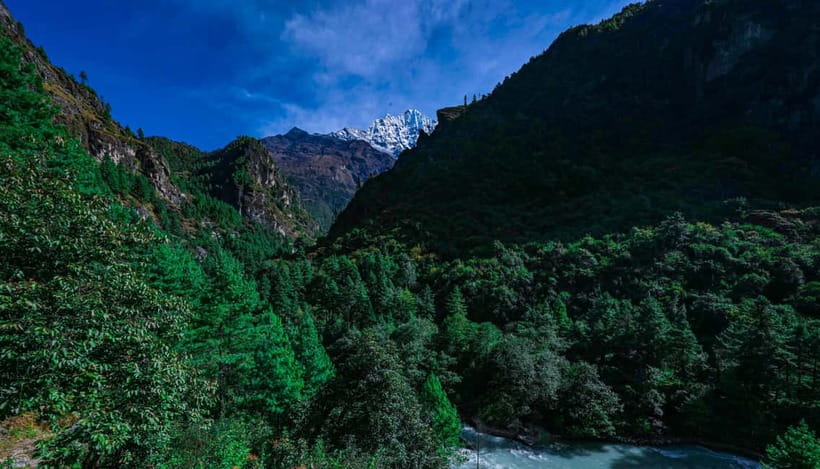
The strongest pattern in the feedback is the quality of the local operation. The company arranged airport pickups, hotel stays, equipment help, city touring, and mountain guiding. Communication before arrival was also praised.
Several guides received specific credit. Kale Prakash was praised for caring for a trekker who became sick. Dillisher Katuwal was described as highly experienced and careful about safety. Kumar and Santos were noted for kindness and help during the trek, while Gokul handled trip organization and a difficult route change.
Those details matter more than polished promises. On a high-altitude trek, you want a guide who notices when you are struggling, explains what is happening, and can adjust plans when weather causes trouble. The information provided does not promise a named guide in advance, so ask who is assigned to your departure.
The tour is described as suitable for different fitness levels, but you should read that generously, not literally. This remains a 15-day high-altitude trek with long walking days and chilly conditions. Comfortable shoes and sunglasses are specifically recommended, and you should also confirm what clothing and equipment the company supplies before arrival.
Who should book this Everest trek?
I would recommend this trip to someone who wants a guided Everest Base Camp route with Kathmandu sightseeing included and prefers having airport transfers, permits, accommodation, and staff arrangements handled by one local company.
It suits you especially well if you value cultural stops as much as mountain views. Tengboche Monastery, Sherpa villages, Pheriche, Pangboche, and the Kathmandu sites give the journey more shape than a simple out-and-back hike.
It is less suitable if you need guaranteed flight times, private luxury accommodation, or a fully inclusive price. The Lukla flights are outside the package, meals are extra, porters cost more, and weather can force a route change. Wheelchair users cannot join this activity.
Free cancellation is available up to seven days before departure for a full refund. English is the listed guiding language, and pickup from Kathmandu International Airport is included.
Should you book it?
I would book this trek if the $675 base price is attractive to you and you are comfortable adding flights, meals, insurance, drinks, city entrance fees, and possibly a porter. The organization and guide support receive the strongest praise, and the itinerary includes sensible acclimatization days at Namche and Dingboche.
Before booking, ask three direct questions: What is the current Lukla airfare? What exactly happens if weather cancels the flights? And when, precisely, is the Everest Base Camp hike scheduled in relation to Gorakshep and Kala Patthar?
If the answers are clear, this looks like a good-value guided route for an ambitious trekker who wants strong local support without paying for a luxury package. If you need a guaranteed Everest itinerary, allow extra days beyond the 15 listed, because the mountain controls the timetable, not the brochure.
FAQ
How long is the Everest Base Camp trek?
The activity lasts 15 days, including arrival and departure transfers, two days in Kathmandu, the mountain trek, the return flight, and a final night in Kathmandu.
Are flights between Kathmandu and Lukla included?
No. Airfare between Kathmandu or Ramechhap and Lukla is not included. The company can reserve or book the flights on request.
Are meals included during the trek?
No. Breakfast, lunch, and dinner during the trek are not included in the stated price. Alcoholic drinks and hot or cold drinks are also excluded.
What accommodation is provided?
The package includes standard hotel accommodation in Kathmandu for three nights and the best available guesthouse accommodation during the trek.
Is a guide included?
Yes. The package includes an English-speaking, licensed Sherpa guide. Staff food, accommodation, salary, insurance, equipment, and medicine are also included.
Is a porter included?
No. Porter service is optional and costs extra. The listed information says porter service is shared between two people.
What happens if I need to cancel?
You can cancel up to seven days in advance for a full refund. The activity is not suitable for wheelchair users, and comfortable shoes and sunglasses are recommended.
New in the Kathmandu listings
- Traditional Momo Making Class★ 5.0 · 10 reviews
- Kathmandu: Ancient City Kirtipur & Pharping Monastery Tour★ 5.0 · 2 reviews
- Kathmandu to Pokhara Premium sofa bus ticket★ 4.0 · 17 reviews
- Women Empowerment Project(Nepali cooking class & jewelry workshop★ 5.0 · 15 reviews
- Yoga Experience Day Trip with Private Transfer From Kathmandu★ 4.0 · 2 reviews
- 7-Day Langtang Valley Trek from Kathmandu★ 5.0 · 1 review
- Kathmandu 2 Nights 3 Days Chitwan Jungle Safari Tour★ 5.0 · 9 reviews
- Wildlife Adventure in Chitwan Nepal★ 4.0 · 4 reviews
Everest Base Camp Treks, compared.
Everest Base Camp Trek with Helicopter Return from Gorakshep to Lukla
Read our review →Browse the lists this tour appears in