
REVIEW · COOKING CLASSES
Kathmandu: Local Women Lead Nepali Cooking & Momo-Making Class
Come hungry, leave with new skills. This three-hour Kathmandu cooking class turns a simple meal into a practical introduction to Nepali food and daily life. You begin at a market near Thamel, choose or help buy ingredients, then cook dishes such as momos, dal bhat, carrot pudding, and Nepali masala tea with local women instructors.
I like the hands-on format, since you do not simply watch a chef work. I also like the small maximum of eight people, which should make it easier to ask questions and get help with dough, fillings, spices, and cooking methods. The main consideration is that the menu may involve some choice, so the exact dishes are not fixed for every session. If you want one guaranteed recipe, confirm the menu before booking.
- A market visit starts the lesson: You see and help select the ingredients rather than meeting the food only after it reaches the cooking table.
- Momo-making is a central skill: You learn to knead dough and prepare one of Nepal’s best-known comfort foods.
- The menu can be flexible: Past sessions have included momos, dal bhat, carrot pudding, and masala tea.
- The group is capped at eight: That is a useful size for a practical class, especially when several people need help at once.
- The class costs $35 per person: For three hours, ingredients, equipment, instruction, and a meal, the price offers solid value.
- Pickup is optional: You can meet at Kathmandu Cooking Academy in Thamel, or select hotel pickup and drop-off when booking.
In This Review
- Why a Kathmandu Cooking Class Belongs on Your Itinerary
- Starting at Kathmandu Cooking Academy in Thamel
- The Market Visit: Seeing Ingredients Before the Cooking Begins
- Making Momos by Hand
- Dal Bhat, Carrot Pudding, and Nepali Masala Tea
- Local Women Instructors and Step-by-Step Help
- Eating What You Prepare
- Is $35 Good Value for Three Hours?
- Who Will Enjoy This Class Most?
- Booking, Timing, and Cancellation Advice
- My Recommendation: Book It for the Food and the Participation
- FAQ
- Where does the cooking class begin?
- Where does the activity end?
- How long does the experience last?
- How much does the class cost?
- Is hotel pickup available?
- Is the class suitable for a small group?
- What food do you make during the class?
- Is the market visit included?
- Are cooking equipment and ingredients included?
- Are drinks and tips included?
- Can I cancel for a full refund?
Why a Kathmandu Cooking Class Belongs on Your Itinerary
Kathmandu can be a lot to take in. Streets around Thamel are full of shops, restaurants, signs, traffic, and the steady movement of people heading in every direction. A cooking class gives you a slower way to understand the city. Instead of only looking at food on a menu, you handle the ingredients and learn how common Nepali dishes come together.
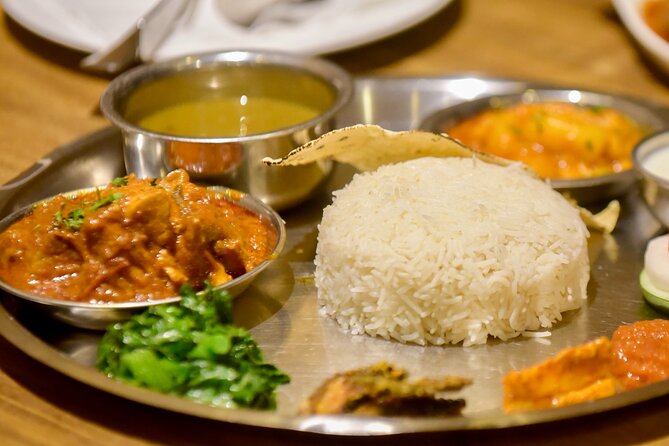
That matters because Nepali cuisine is not one single style. It reflects the country’s varied communities, climates, and food traditions. A dish of dal bhat, for example, is more than rice and lentils. It is a familiar meal built around simple ingredients, seasoning, and balance. Momos show another side of Nepali food, with dough, filling, shaping, and steaming all playing a part.
I like classes that connect cooking with shopping. The market visit gives you a useful look at the ingredients before they are cleaned, chopped, mixed, or cooked. It also makes the lesson feel connected to Kathmandu rather than staged in isolation.
Starting at Kathmandu Cooking Academy in Thamel
The class begins at Kathmandu Cooking Academy, located on Yapikhya Marg in Kathmandu. The activity ends at the same meeting point, which keeps the logistics simple if you are already staying or spending time in Thamel.
Hotel pickup and drop-off are available if you select that option. Since the pickup feature is not automatic for every booking, check your chosen option carefully. If you are meeting at the academy, the location is near public transportation, giving you another practical way to reach it.
The class lasts about three hours. That is long enough for a market stop, food preparation, cooking, and a proper tasting session, but short enough to fit into a half-day in Kathmandu. You could schedule it on a day when you want a break from temples and museums, or use it early in your visit so you can return to the dishes later.
The class is usually booked about 17 days ahead. That timing suggests it is wise to reserve before arriving, especially if you want a certain date or need hotel pickup. The small group limit also means last-minute spaces may not always be available.
More Cooking Classes in Kathmandu
- Half day cooking class in Thamel kathmandu
★ 5.0 · 607 reviews - Kathmandu: Local Women-Led Nepali Cooking & Momo Class
★ 4.9 · 360 reviews - Kathmandu: Local Lead Nepali Cooking & Momo-Making Class
★ 5.0 · 212 reviews
The Market Visit: Seeing Ingredients Before the Cooking Begins
The first part of the experience takes you to a local market or shop to buy important ingredients for the lesson. This is not just a quick stop to collect supplies. It helps you see the raw materials that form the base of Nepali cooking.
You can expect to encounter fresh produce, spices, and everyday staples used in the recipes. The supplied details do not name a specific market or give a fixed shopping list, so the exact route and ingredients may change with the selected dishes. That flexibility can be useful, since the menu may be chosen with the group.
One particularly nice feature is that you may help select the menu and ingredients. That gives you some say in what you will eventually eat. Past participants have cooked momos, dal bhat, and carrot pudding, but you should not assume all three will appear in every session.
The market portion also gives you context for Nepali seasoning. You can see spices as individual ingredients rather than tasting only a finished mixture. For a home cook, that makes the lesson easier to remember later. You may return from Nepal with a better sense of what to look for in a South Asian grocery store.
Making Momos by Hand
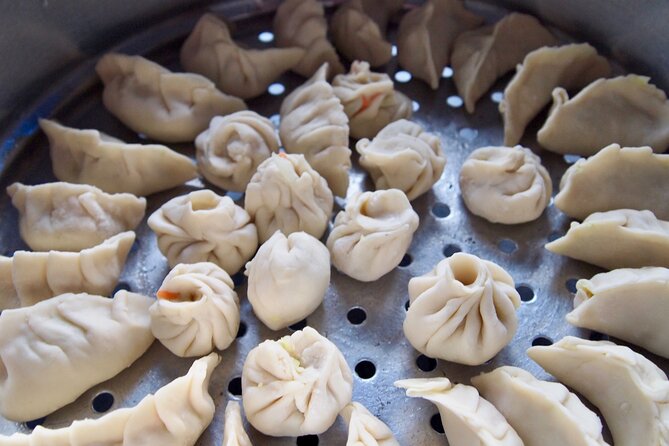
Momos are likely to be the main attraction for many people. These dumplings are closely associated with Nepal, and learning to make them gives you a skill you can repeat at home. The class includes preparing the dough and working with the filling, followed by cooking the dumplings.
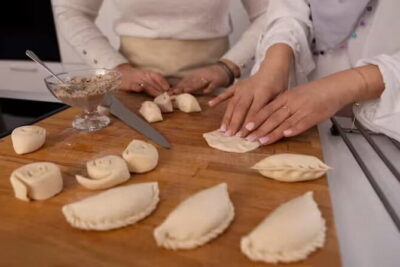
The important part is the tactile work. Dough can be too dry, too wet, or too thick. Filling needs to be portioned so the momo closes properly without splitting. Shaping takes practice, and a small group helps because the instructor can correct your technique rather than leaving you to guess.
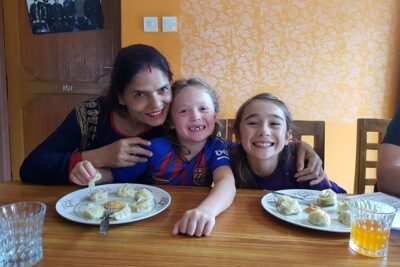
Do not expect your first momo to look perfect. That is part of the fun. The class is not a restaurant production line, and uneven folds are normal when you are learning. The payoff comes when the dumplings are cooked and you sit down to eat something you shaped yourself.
If you are interested in taking the recipe home, pay close attention to the instructor’s demonstration of dough texture and folding. Written recipe details are not specified, so it is sensible to ask whether you can photograph the instructions or write down the measurements during the class.
Dal Bhat, Carrot Pudding, and Nepali Masala Tea
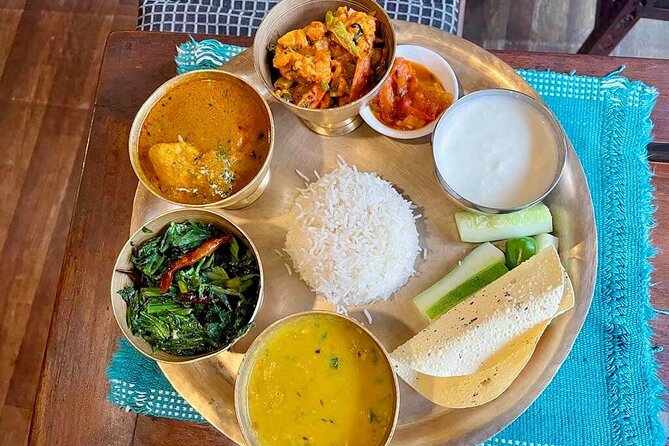
The class is broader than momo-making. One session included dal bhat, carrot pudding, and Nepali masala tea along with the dumplings. These dishes show different parts of Nepali cooking, from a staple meal to a sweet finish and a spiced drink.
Dal bhat gives you a look at the everyday foundation of Nepali food. It is a useful dish to learn because it relies on accessible ingredients and can be adjusted at home. The lesson may show how lentils are seasoned and combined with rice, though the exact preparation depends on the class menu.
Carrot pudding adds a sweet course to the meal. Its inclusion makes the class more varied and gives you something different from the savory dishes. Nepali masala tea rounds out the cooking session with warm spices and a drink that fits naturally at the end of a meal.
The menu is not presented as a fixed promise for every booking. One of the appealing points is the ability to choose preferred menu items, but that also means you should ask about the available dishes if you have a strong preference or dietary concern.
A completely different way to spend the day:
- Everest Base Camp Trek – 14 Days
★ 5.0 · 1,499 reviews - Private Kathmandu Sightseeing Tour | UNESCO World Heritage sites
★ 5.0 · 756 reviews - Everest Base Camp Helicopter Tour landing at Everest View Hotel
★ 5.0 · 668 reviews - Everest Base Camp Trekking
★ 5.0 · 485 reviews
Local Women Instructors and Step-by-Step Help
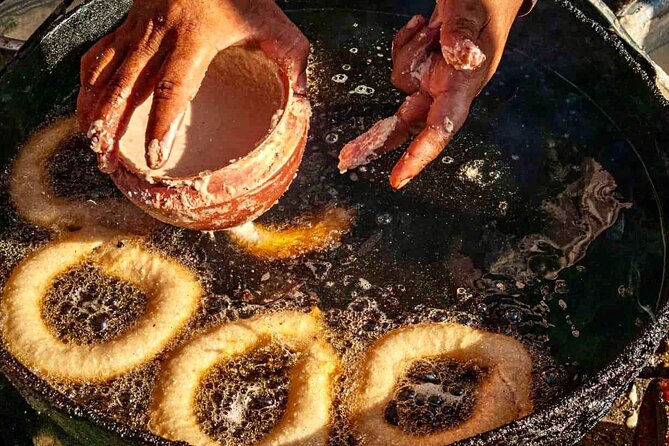
The class is led by local women instructors who teach the dishes through direct, step-by-step guidance. That format should suit beginners, since you are not expected to arrive with professional cooking skills.
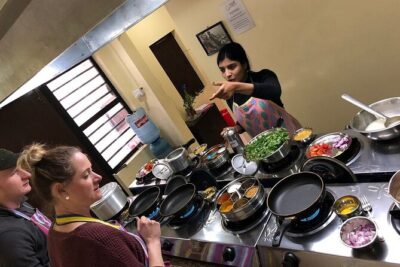
You will use the cooking equipment and accessories supplied for the lesson. The instructors guide you through preparation, cooking, and serving rather than leaving you to manage the process alone. This is especially useful for momos, where small details in dough handling and shaping can affect the final result.
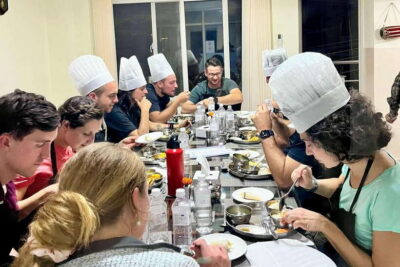
The personal element is one of the class’s strongest features. Cooking creates natural conversation, and the small group may include people from different countries. A previous session became a social experience as the participants cooked and ate together. You can expect the meal to be shared around the table after the work is finished.
The class is still a group activity, not a private tutorial. With up to eight people, you may sometimes wait briefly while another person receives help. The group size remains small enough to be practical, but anyone seeking one-on-one instruction should consider asking about private options before booking.
Eating What You Prepare
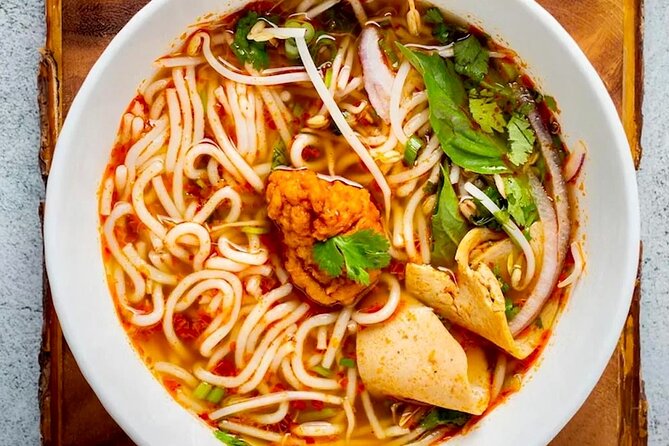
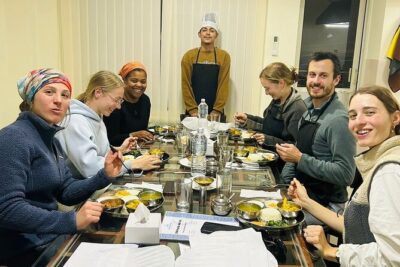
The final tasting session is more than a reward for getting through the chopping and shaping. It lets you judge the results while the techniques are still fresh in your mind. You eat the dishes prepared during the class, including Nepali masala tea as part of the lesson.
This shared meal is where the activity becomes especially satisfying. You see the ingredients at the market, prepare them with guidance, and then sit down with the finished food. That sequence gives the meal a clear sense of place and purpose.
The food is described in the supplied feedback as delicious, and the positive comments focus on both the cooking process and the meal afterward. I would still keep expectations sensible. The class is designed to teach and feed you, not to provide a formal restaurant tasting with a long list of courses.
Specialty drinks and alcoholic drinks are not included. If you want something beyond the food and masala tea, plan to pay for it separately. Tips are also not included, so bring that cost into your budget if you feel the instruction deserves one.
Is $35 Good Value for Three Hours?
At $35 per person, the class is reasonably priced for what is included. You receive instruction from an experienced chef and instructor, a market or shop visit, ingredients for cooking, use of equipment, the meal you prepare, and masala tea.
The value becomes stronger if you enjoy participating rather than simply eating. A restaurant meal might cost less in Kathmandu, but it would not include the market visit, cooking instruction, or the chance to practice momo-making. The class gives you a useful memory and a recipe skill you can carry home.
Pickup and drop-off can add convenience, depending on the option you select. If you are already in Thamel, meeting at the academy may be the simplest choice. If you are staying farther away or prefer not to navigate Kathmandu traffic, pickup may justify the extra cost if applicable.
Group discounts are available, which could make this a good choice for families or friends. The maximum group size is eight, so larger parties may need to check how the discount and group arrangements work before booking.
Who Will Enjoy This Class Most?
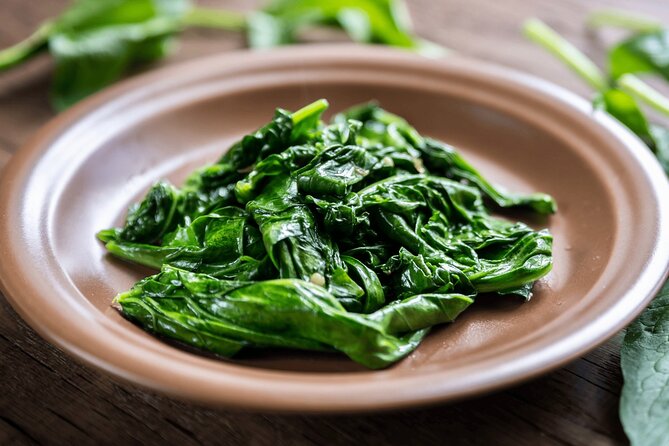
I would recommend this experience to first-time visitors who want contact with everyday Nepali food. It also suits people who have already seen Kathmandu’s major sights and want an activity that uses their hands instead of their camera.
It is a good fit for:
- People who enjoy cooking or want a beginner-friendly introduction
- Couples and friends looking for a shared activity
- Families who can take part in a three-hour lesson
- Solo visitors who like meeting people through a small group activity
- Anyone who wants to learn momo-making rather than only order momos
- Visitors interested in ingredients, shopping, and home-style dishes
You may want to think twice if you have a strict diet or serious food allergy. The available information does not explain dietary substitutions, allergy procedures, or a fixed ingredient list. Contact the provider before booking and ask what can be changed.
The class may also be less appealing if you want a fully fixed schedule and menu. The option to choose dishes is a benefit for many people, but it introduces some uncertainty about exactly what you will cook.
Booking, Timing, and Cancellation Advice
Confirmation is provided at the time of booking. Since the activity is often reserved about 17 days ahead and the group is limited to eight people, booking early is sensible if your Kathmandu schedule is tight.
You can cancel for a full refund up to 24 hours before the start time. Inside that 24-hour window, the payment is not refunded, and changes are not accepted. The cut-off follows Kathmandu local time, so check the time carefully if you are arranging the activity from another country.
The activity ends back at the academy. That makes it easy to continue exploring Thamel, return to your hotel, or arrange another afternoon plan without needing a separate return point.
My Recommendation: Book It for the Food and the Participation
I would book this Kathmandu cooking class if you want more than a meal and like the idea of learning through doing. The market visit, local women instructors, small group, and choice of dishes give it a personal feel, while the $35 price covers the main parts of the experience.
Choose it especially if momos are high on your Nepal food list. Just remember that the menu may vary, drinks beyond masala tea cost extra, and dietary requests should be settled before you pay.
If you prefer a fixed menu, formal demonstration, or private instruction, this may not be the best match. For most people who want a friendly, practical introduction to Nepali cooking in Thamel, it offers a good half-day use of your time.
FAQ
Where does the cooking class begin?
The class begins at Kathmandu Cooking Academy on Yapikhya Marg, Kathmandu 44600, Nepal.
Where does the activity end?
The activity ends back at the meeting point, Kathmandu Cooking Academy.
How long does the experience last?
The cooking class lasts approximately three hours.
How much does the class cost?
The listed price is $35 per person.
Is hotel pickup available?
Hotel pickup and drop-off are available if you select that option when booking.
Is the class suitable for a small group?
Yes. The activity has a maximum of eight participants.
What food do you make during the class?
The class includes hands-on preparation of different Nepali meals. Dishes from the available information include momos, dal bhat, carrot pudding, and Nepali masala tea. The exact menu may vary.
Is the market visit included?
Yes. The experience includes a market or shop visit to buy important cooking ingredients.
Are cooking equipment and ingredients included?
The class includes use of cooking equipment and accessories, along with the ingredients used for the cooking lesson.
Are drinks and tips included?
Nepali masala tea is included during the lesson. Specialty drinks, alcoholic drinks, and tips are not included.
Can I cancel for a full refund?
Yes. You can cancel at least 24 hours before the start time for a full refund. Cancellations or changes made within 24 hours are not accepted for a refund.
New in the Kathmandu listings
- Traditional Momo Making Class★ 5.0 · 10 reviews
- Kathmandu: Ancient City Kirtipur & Pharping Monastery Tour★ 5.0 · 2 reviews
- Kathmandu to Pokhara Premium sofa bus ticket★ 4.0 · 17 reviews
- Women Empowerment Project(Nepali cooking class & jewelry workshop★ 5.0 · 15 reviews
- 7-Day Langtang Valley Trek from Kathmandu★ 5.0 · 1 review
- Kathmandu 2 Nights 3 Days Chitwan Jungle Safari Tour★ 5.0 · 9 reviews
- Yoga Experience Day Trip with Private Transfer From Kathmandu★ 4.0 · 2 reviews
- Walking tour of real Kathmandu through back streets.★ 5.0 · 3 reviews
Cooking Classes, compared.
Nepalese Momos or Dal Bhat Cooking Class (Cook with Delight)
Read our review →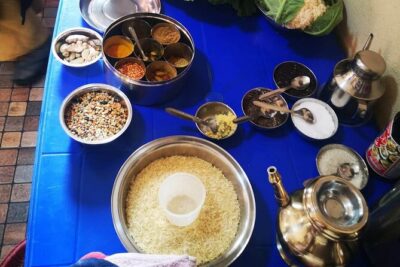
The best Private Nepali Cooking Class in Kathmandu
Read our review →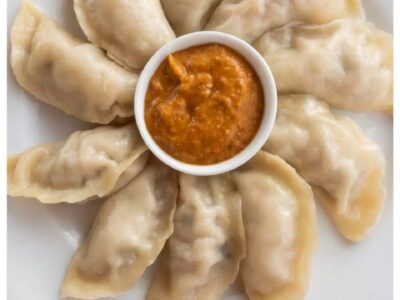
Nepalese Kitchen in Pokhara: Momos or Dal Bhat Cooking Class
Read our review →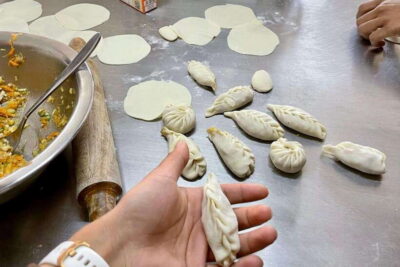
Browse the lists this tour appears in