REVIEW · 7-DAY EXPERIENCES
7-Day Enchanting Nepal Guided Cultural and Scenic Tour
Nepal rewards curious eyes. This seven-day journey links Kathmandu’s sacred sites with Bandipur’s Newari streets and Pokhara’s mountain views, giving you a useful first look at the country without asking you to trek for days. I like the mix of cultural sightseeing and hill-country scenery, and I like that private transport, hotels, guides, and entry fees are included. The main caution is the pace: several long drives, early morning starts, and a few unclear meal details require close attention before you book.
I also like the chance to see Nepal in several different moods, from prayer flags and stupas to quiet village lanes and lakeside walks. Guide Sobit received particular praise for explaining Patan Durbar Square and pointing out temples and places easy to miss alone. Still, the $1,075 price is best judged against the included six hotel nights and transport, since lunches, most dinners, tips, and optional activities are extra.
In This Review
- Key reasons this Nepal tour is worth a look
- What the $1,075 price really covers
- Day 1: Thamel is your easy introduction to Kathmandu
- Day 2: Four major Kathmandu sites in one demanding day
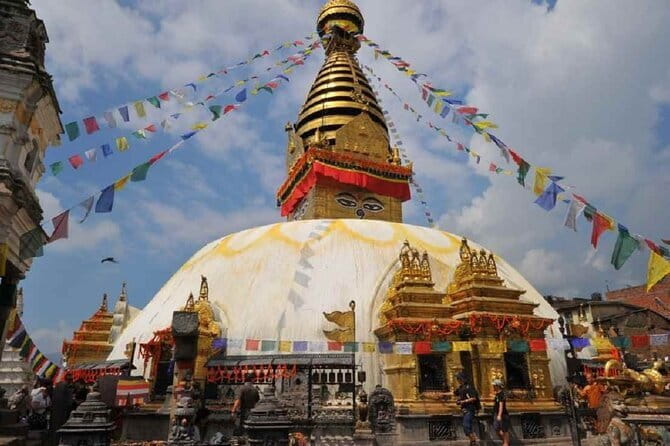
- Swayambhunath and its hilltop view
- Kathmandu Durbar Square and guide Sobit’s style
- Boudhanath and the evening Aarti
- Pashupatinath and Hindu worship
- Day 3: Bandipur adds village character and a sunset
- Day 4: Pokhara combines waterfalls, caves, museums, and a lake
- Day 5: Sarangkot sunrise and flexible Pokhara time
- Day 6: Return to Kathmandu and a final shopping window
- Day 7: A straightforward airport transfer
- Comfort, pace, and who should book
- Should you book this Nepal itinerary?
- FAQ
- How long is the Nepal cultural and scenic tour?
- Where are the overnight stays?
- Is airport pickup included?
- Are meals included?
- Is this a private tour?
- Can I cancel for a full refund?
Key reasons this Nepal tour is worth a look
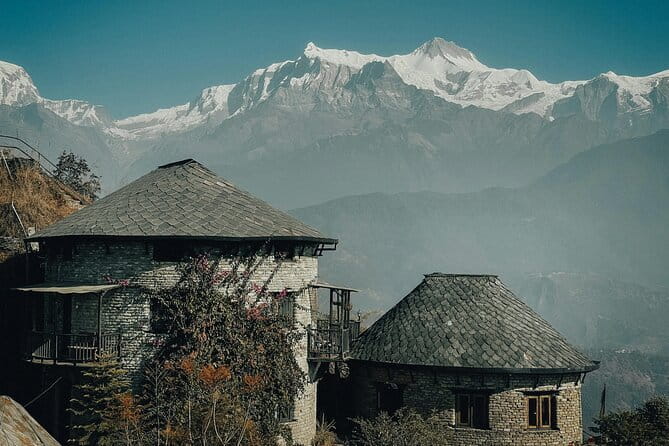
- Three very different bases: Spend three nights in Kathmandu, one in Bandipur, and two in Pokhara.
- Sunrise and sunset views: Sarangkot brings an early Himalayan lookout, while Bandipur offers a hilltop sunset.
- Strong temple coverage: Swayambhunath, Boudhanath, Pashupatinath, and Kathmandu Durbar Square each show a different side of Nepal.
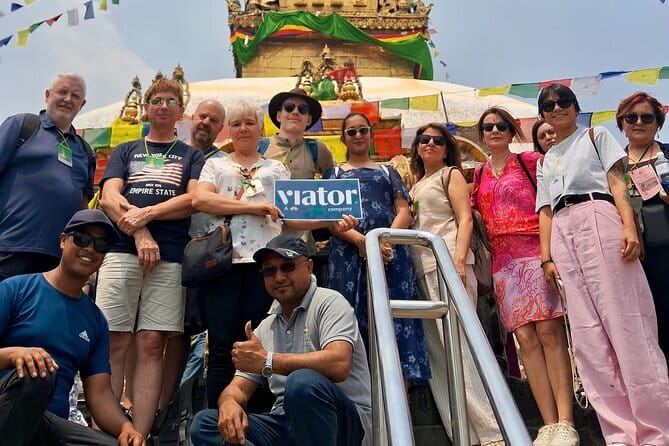
- Private group format: Only your group participates, with a car, van, minibus, or tourist vehicle based on group size.
- Good family flexibility: Most people can take part, and free time allows options such as paragliding, cycling, or spa treatments in Pokhara.
- Simple cancellation terms: You can receive a full refund if you cancel at least 24 hours before the start time.
What the $1,075 price really covers
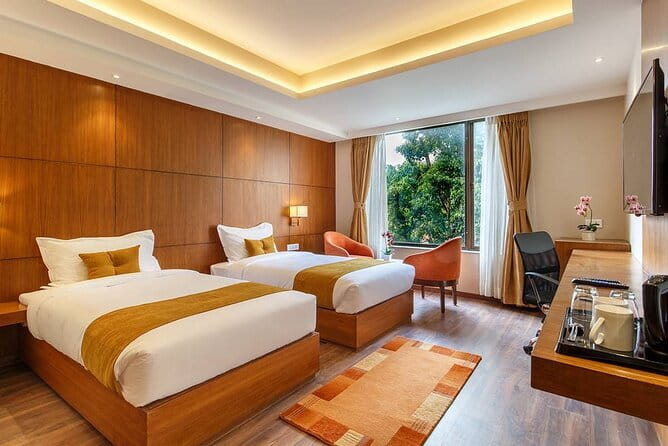
At $1,075 per person, this is not a shoestring Nepal trip, but it packs a fair amount into one week. You receive six nights in three-star hotels, five breakfasts, at least one dinner, sightseeing entry fees, airport pickup, transportation, and a guide for the cultural and scenic visits.
The room arrangement is three nights in Kathmandu, one night in Bandipur, and two nights in Pokhara. That spread saves you from arranging separate hotels and transfers, which matters in Nepal, where road journeys can take longer than the map suggests.
The vehicle changes with your group size. A passenger car may suit a small private party, while a minibus or van can carry a larger group. Since this is a private activity, you are not joining a mixed public departure. That gives you more control over photo stops and the day’s rhythm, although the exact amount of flexibility will depend on your guide and driving schedule.
Food needs a little clarification. The inclusions mention breakfast five times and dinner, while the exclusions say lunch and dinner are not included. I would ask Bold Himalaya Treks and Travels Pvt Ltd to confirm exactly how many dinners come with your booking. Plan to pay for lunches, additional dinners, drinks, and tips for your guide and drivers.
The price also does not include optional Pokhara activities. Paragliding, cycling, and spa treatments are available as free-time choices, but you should budget for them separately.
A short list of alternatives around Kathmandu
- Everest Base Camp Trek – 14 Days
★ 5.0 · 1,499 reviews - Private Kathmandu Sightseeing Tour | UNESCO World Heritage sites
★ 5.0 · 756 reviews - Everest Base Camp Helicopter Tour landing at Everest View Hotel
★ 5.0 · 668 reviews
Day 1: Thamel is your easy introduction to Kathmandu
Your first day begins with arrival at Tribhuvan International Airport and a transfer to your Kathmandu hotel. A welcome briefing follows, giving you a chance to meet the guide and get basic orientation before heading out.
The evening stroll through Thamel is a sensible first outing. This part of Kathmandu is packed with shops, restaurants, travel businesses, and streets made for browsing. You can look for trekking gear, souvenirs, clothing, and a meal without committing to a major sightseeing visit after a flight.
Five hours are assigned to the first day, though your actual schedule will depend on your arrival time. If your flight lands late, the Thamel walk may become brief or disappear altogether. That is not a serious flaw, but you should think of Day 1 as an arrival and orientation day, not a full touring day.
You sleep in Kathmandu, which keeps the next morning’s temple visits practical.
Day 2: Four major Kathmandu sites in one demanding day
Day 2 is the cultural core of the trip. It takes you to four major places, each linked to a different religious or royal tradition.
Swayambhunath and its hilltop view
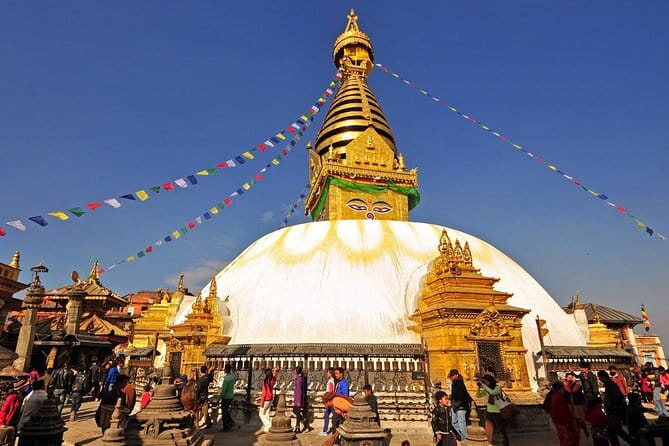
Swayambhunath Stupa, often called the Monkey Temple, sits on a hill above the Kathmandu Valley. The stupa itself is the focus, but the high position is part of the appeal. You get broad views across Kathmandu and a strong sense of how densely settled the valley has become.
The planned visit is only about 25 minutes. That is enough for a quick look and photographs, but it is not generous if you want a slow circuit, time with your guide, or a thoughtful look at the shrines. Ask questions early and keep your visit focused.
A completely different way to spend the day:
- Half day cooking class in Thamel kathmandu
★ 5.0 · 607 reviews - Everest Base Camp Trekking
★ 5.0 · 485 reviews - Nagarkot Sunrise View and Day Hiking from Kathmandu
★ 5.0 · 471 reviews - Kathmandu: Full Day 7 UNESCO Tour with Lunch – Private/Group
★ 5.0 · 415 reviews
Kathmandu Durbar Square and guide Sobit’s style
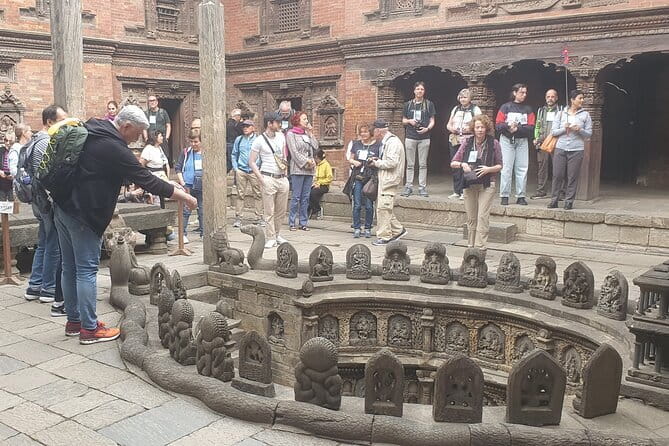
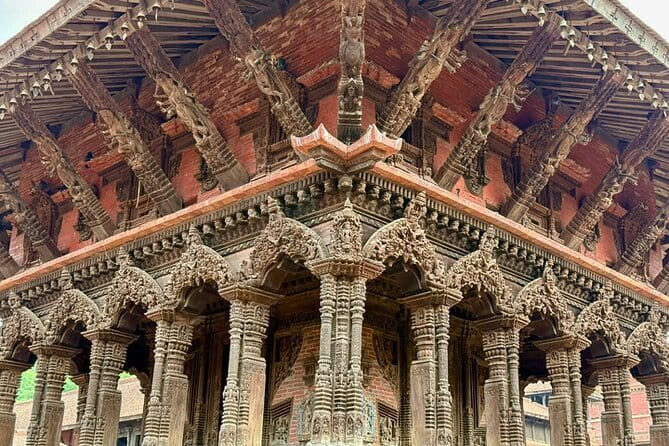
The stop at Kathmandu Durbar Square lasts about 1 hour and 10 minutes. You will see palace courtyards, temples, and carved architectural details tied to Nepal’s former royal center.
This is where a good guide makes a real difference. Sobit was praised for explaining Patan Durbar Square in a clear way and for leading visitors to temples and corners they would likely have missed alone. Patan is not listed as a stop on this seven-day route, so you should not assume it is included here. Still, that feedback is useful when considering the provider’s guiding style. If you care about architecture and local stories, ask for the same level of explanation in Kathmandu Durbar Square.
Boudhanath and the evening Aarti
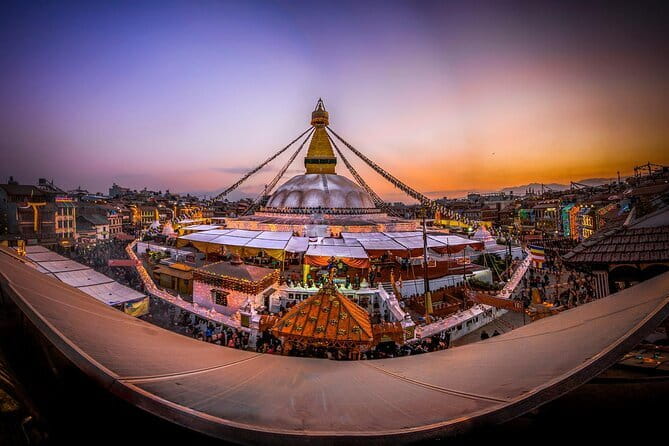
Boudhanath Stupa is one of the world’s largest stupas and a major center of Tibetan Buddhism. Its circular design, prayer activity, and surrounding religious setting make it very different from the royal square.
The visit is scheduled for about 45 minutes, including the possibility of an evening Aarti ceremony. Confirm the timing with your guide, since a ceremony is time-sensitive. This can be one of the most memorable parts of the day, but the schedule may leave little room for lingering.
Pashupatinath and Hindu worship
Pashupatinath Temple gives you a look at one of Nepal’s most important Hindu religious sites. The stop lasts about 1 hour and 10 minutes and includes the chance to experience an evening Aarti.
This is a sacred place, not simply an architectural attraction. You should follow your guide’s instructions about where to walk, what you may photograph, and how to behave during religious activity. The paired visits to Boudhanath and Pashupatinath are valuable because they show two major faith traditions within the same capital.
Day 2 is full. Four major stops, two evening ceremonies, and traffic between sites can make it tiring. I would wear comfortable shoes, carry water, and avoid treating each visit as a rushed photo stop.
Day 3: Bandipur adds village character and a sunset
The drive to Bandipur takes you away from Kathmandu and into Nepal’s hill country. The town is known for preserved Newari culture, and the planned stay gives you more than a quick roadside stop.
Bandipur Bazaar is the natural place to begin. A walk here lets you see the town at street level, with local buildings and daily activity rather than a lineup of major monuments. The visit to Siddha Cave adds a natural attraction, while Thani Mai Temple provides a hilltop religious stop.
The day includes about six hours of activity and an overnight stay in Bandipur. That overnight is important. You are not simply passing through for a photograph, and you have a chance to experience the town after the day’s driving is done.
A sunset view from the hilltop is one of the trip’s strongest scenic moments. Weather will control how much you see, so keep your expectations flexible. Clear conditions can bring a broad view over the hills, while cloud may turn the sunset into a softer, less dramatic scene.
Bandipur is also where the tour feels least like a standard city sightseeing program. If you want local atmosphere and slower streets, this is likely to be one of your favorite stops. If you prefer more organized attractions and polished facilities, the one-night stay may feel simple.
Day 4: Pokhara combines waterfalls, caves, museums, and a lake
The drive from Bandipur to Pokhara is listed at about three to four hours. Road conditions and traffic can affect the timing, so do not plan an important independent activity immediately after arrival.
In Pokhara, the route includes Davis Falls, Gupteshwor Cave, and the International Mountain Museum. These stops create a useful mix. Davis Falls and Gupteshwor Cave bring natural scenery, while the museum provides context about Himalayan climbing, mountain communities, and the region’s connection to mountaineering.
The schedule also includes time around Pokhara Lakeside. An evening walk beside Phewa Lake is an easy way to slow down after the road journey, and a boat ride gives you a different view of the water and surrounding hills.
The program also mentions Phumdikot, though it does not give a separate duration or a fully detailed activity plan there. Ask your guide how this stop fits into the day. The supplied timing for the Pokhara portion is inconsistent, with a very short duration shown despite the listed drive and several attractions. Treat the three to four hour drive as the more useful planning figure and confirm the order of stops before departure.
You stay two nights in Pokhara, which is a good choice. One night would make the city feel like a transfer point, while two nights allow the sunrise outing and some free time.
Day 5: Sarangkot sunrise and flexible Pokhara time
Sarangkot is the early start of the trip. You drive before sunrise for views toward the Annapurna and Dhaulagiri ranges. The appeal is simple: changing light over high peaks, viewed from a hill above Pokhara.
Sunrise requires an early departure, and mountain visibility is never guaranteed. I would consider this a worthwhile effort, but not promise yourself a perfect postcard. Clouds can limit the view, and the experience still depends on weather and timing.
The day also includes the World Peace Pagoda, with panoramic views toward Pokhara Valley. This gives you another high viewpoint, but the two stops offer different moods. Sarangkot is about morning light and distant mountains, while the pagoda adds a quiet cultural and scenic setting.
Free time follows for optional activities such as paragliding, cycling, or spa treatments. This is one of the better design choices in the tour. You can keep the day calm after the sunrise, or spend more for an active afternoon.
Ask about transportation and timing for any optional activity before committing. The tour price does not include these extras, and the schedule should leave enough time for the return to the hotel.
Day 6: Return to Kathmandu and a final shopping window
Day 6 brings you back to Kathmandu by road or flight, depending on your preference. A flight saves road time, while driving keeps you connected to the countryside. The choice affects both cost and how much energy you have for the final afternoon.
The schedule allows free time at Asan Bazaar or Thamel. Asan is useful for a more local market atmosphere, while Thamel is easier for last-minute souvenirs, restaurants, and familiar services. You can use this period for gifts, snacks, or a final walk before departure.
The day is listed at about six hours, but the actual length will depend heavily on whether you drive or fly. Confirm the transport choice, extra cost if any, and pickup time in advance.
You spend your third Kathmandu night here, completing the six-night hotel plan.
Day 7: A straightforward airport transfer
The final day is reserved for departure from Tribhuvan International Airport. The provider plans to deliver you at least three hours before your flight, giving you time for check-in and security.
If you are continuing to another program, you can notify the company in advance so it can help arrange the next transfer. Airport entry fees are not included, according to the tour details, so keep that separate from the tour price.
The practical point is to keep your final morning free. Do not schedule a distant sightseeing stop or a tight onward connection unless the company confirms the timing.
Comfort, pace, and who should book
This tour suits you best if you want Nepal’s major cultural sites, scenic viewpoints, and a taste of hill-town life without organizing every hotel and transfer yourself. Families can appreciate the private format, while first-time visitors may value having a guide explain religious customs and local landmarks.
You should be comfortable with road travel and changing elevations. The itinerary moves from Kathmandu to Bandipur, then Pokhara, then back to Kathmandu in a short time. It is not a relaxed single-base holiday.
The tour is also a good match for people who want scenery without a multi-day trek. You see Himalayan views from Sarangkot and other hilltops, but the program does not promise trekking days. Bring shoes suitable for temple courtyards, town walks, and uneven paths around caves and viewpoints.
Accessibility information is limited, although most people can participate and service animals are allowed. If you have mobility concerns, ask about steps at Swayambhunath, cave access, temple surfaces, and the vehicle type assigned to your group.
Free cancellation is available up to 24 hours before the start time. Cancellations inside that window are not refundable, and changes made inside 24 hours are not accepted.
Should you book this Nepal itinerary?
I would book this tour if you want a guided first visit that balances Kathmandu’s temples with Bandipur’s quieter streets and Pokhara’s mountain outlooks. The included hotels, transport, guide, and entry fees make the $1,075 cost easier to justify, especially for a private group that does not want to arrange each transfer alone.
I would pause if you want slow travel, many unstructured days, or clear all-inclusive meal pricing. Ask for written confirmation about dinners, the Day 4 timing, the Day 6 return option, and the precise stops included around Phumdikot.
For a compact introduction to Nepal, this route has real appeal. Its best moments are likely to come from the contrast: prayer ceremonies in Kathmandu, sunset in Bandipur, and a cold early morning at Sarangkot. Just expect a full schedule and budget extra for meals, tips, and optional Pokhara activities.
FAQ
How long is the Nepal cultural and scenic tour?
The tour lasts approximately seven days and includes six nights of accommodation.
Where are the overnight stays?
You spend three nights in Kathmandu, one night in Bandipur, and two nights in Pokhara.
Is airport pickup included?
Yes. Airport pickup from Tribhuvan International Airport is included at the beginning, and an airport transfer is arranged for departure.
Are meals included?
Five breakfasts and dinner are listed as included. Lunches and dinners are also listed under exclusions, so you should confirm the exact dinner arrangement before booking.
Is this a private tour?
Yes. Only your group participates. Transportation may be provided by passenger car, van, minibus, or another tourist vehicle based on group size.
Can I cancel for a full refund?
Yes, if you cancel at least 24 hours before the experience start time. Cancellations or changes made less than 24 hours before the start are not refunded or accepted.
New in the Kathmandu listings
- Traditional Momo Making Class★ 5.0 · 10 reviews
- Kathmandu: Ancient City Kirtipur & Pharping Monastery Tour★ 5.0 · 2 reviews
- Kathmandu to Pokhara Premium sofa bus ticket★ 4.0 · 17 reviews
- Women Empowerment Project(Nepali cooking class & jewelry workshop★ 5.0 · 15 reviews
- 7-Day Langtang Valley Trek from Kathmandu★ 5.0 · 1 review
- Kathmandu 2 Nights 3 Days Chitwan Jungle Safari Tour★ 5.0 · 9 reviews
- Yoga Experience Day Trip with Private Transfer From Kathmandu★ 4.0 · 2 reviews
- Wildlife Adventure in Chitwan Nepal★ 4.0 · 4 reviews
7-Day Experiences, compared.
7-Day Annapurna Base Camp Trek & Natural Hot Spring
Read our review →