REVIEW · 7-DAY EXPERIENCES
Nar Phu Valley Trek 7 days
Remote Nepal rewards patient walkers. This seven-day Nar Phu Valley trek leaves the busy Annapurna Circuit near Koto and heads toward villages that opened to tourism only in 2003. I like the rare access to Nar and Phu, and I like the sharp change from forest and farmland to cliffs, canyons, and high mountain valleys.
I also like that the route includes Kang La Pass at 5,320 meters, with views toward Annapurna II, Himlung Himal, Gangapurna, Manaslu, and Tilicho Peak. The main caution is the pace: this is a demanding high-altitude trek, and the published route details appear to differ in places, so you should confirm the exact transport and pass itinerary before paying.
In This Review
- Key points about the Nar Phu Valley trek
- Why Nar and Phu feel different from the Annapurna Circuit
- Day 1: Kathmandu to Koto by road
- Day 2: Koto to Meta at 3,560 meters
- Day 3: Meta to Phu Gaon at 4,080 meters
- Day 4: An acclimatization day in Phu Gaon
- Day 5: Phu Gaon to Nar Phedi at 3,490 meters
- Day 6: Nar Village, Kang La Pass, and Ngawal
- Day 7: Ngawal to Besisahar and Kathmandu
- What the $266 price really covers
- The culture and scenery you pay to see
- Guide support, group style, and practical comfort
- Who should book this trek
- Should you book the Nar Phu Valley trek?
- FAQ
- How long is the Nar Phu Valley trek?
- Where does the trek start?
- What is the highest point on the listed itinerary?
- Does the trek include Thorong La Pass?
- Is a guide included?
- Are meals and lodging included?
- Is a porter included?
- What does the price exclude?
- Can I cancel the booking?
Key points about the Nar Phu Valley trek
- Only seven days: The route packs remote valleys, high passes, and long road transfers into a short schedule.
- Nar and Phu opened to tourism in 2003: You get a look at a part of Nepal that remains far less visited than the main Annapurna trail.
- Kang La Pass reaches 5,320 meters: The crossing is the physical and scenic high point of the trip.
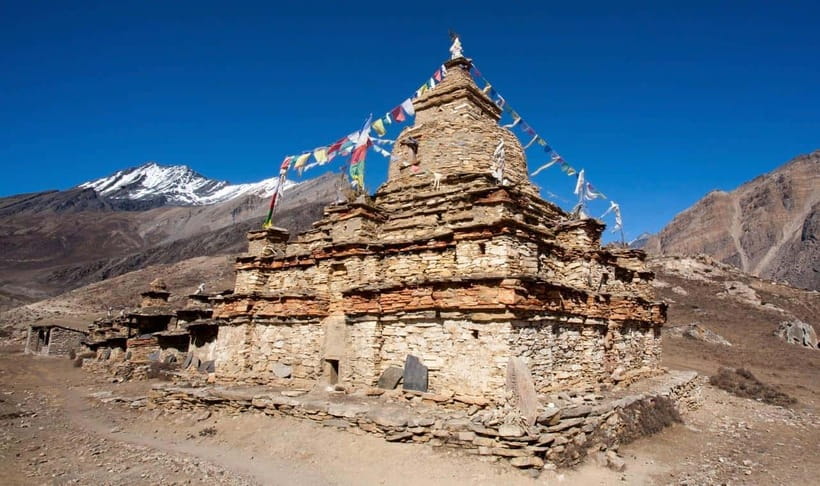
- Tibetan influence shapes the villages: Nar and Phu offer a close look at mountain customs, architecture, and daily life influenced by the Tibetan plateau.
- Price begins at $266 per person: The value depends on which transport, meals, porter, permit, and lodging options you select.
- Private group with an English-speaking guide: This suits people who want personal support rather than a large organized group.
Why Nar and Phu feel different from the Annapurna Circuit
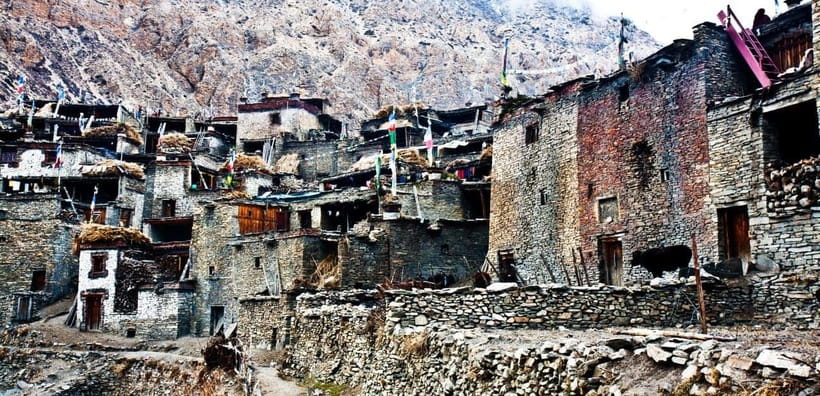
The trek begins on the approach to the Annapurna Circuit, but it does not stay there for long. From Koto, the route turns north into the Nar Phu Valley, where the path becomes less used and the setting more severe.
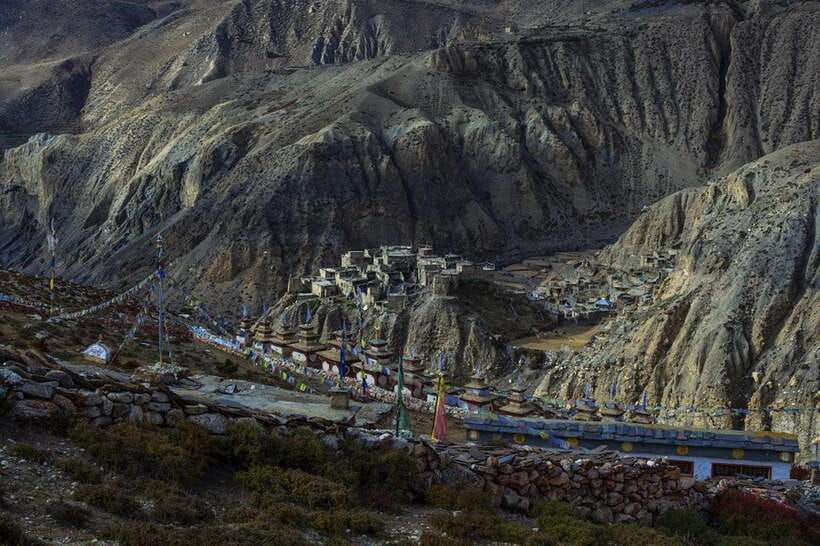
That change is the main reason to choose this trip. You are not simply collecting another Himalayan pass. You are walking into an area shaped by high altitude, isolation, and Tibetan culture. The villages sit among rock formations, narrow gorges, and stark cliffs rather than the softer green hills found lower down.
The valley also gives you a sense of how far the Tibetan plateau reaches into Nepal. The cultural setting is part of the attraction. You can expect Tibetan-influenced lifestyles, historic village patterns, and a strong contrast with the more commercial sections of the Annapurna Circuit.
I would choose this trek if you want a route with a strong sense of place. If your main goal is easy sightseeing, comfortable roads, or a relaxed Himalayan holiday, this is not the right match.
More walking in the hills of Kathmandu:
- Everest Base Camp Trek – 14 Days
★ 5.0 · 1,499 reviews - Everest Base Camp Trekking
★ 5.0 · 485 reviews - Nagarkot Sunrise View and Day Hiking from Kathmandu
★ 5.0 · 471 reviews
Day 1: Kathmandu to Koto by road
The first day is mostly transport. You leave from Kenluv Home and travel by jeep or SUV, with the journey listed at about 10 hours, eventually reaching Koto at 2,610 meters.
That long drive matters. It lets the trek begin deeper in the mountains, but it also makes the first day tiring before you even start walking. Road conditions can affect the timing, and the tour information notes that landslides, weather, strikes, safety decisions, and other events can force changes.
Transport arrangements also need careful checking. The package information offers several possible combinations, including a bus from Kathmandu to Besisahar followed by a jeep to Koto, or a Kathmandu to Koto jeep option. Since the $266 price may not include every service, confirm which vehicle and transfer plan applies to your booking.
Day 2: Koto to Meta at 3,560 meters
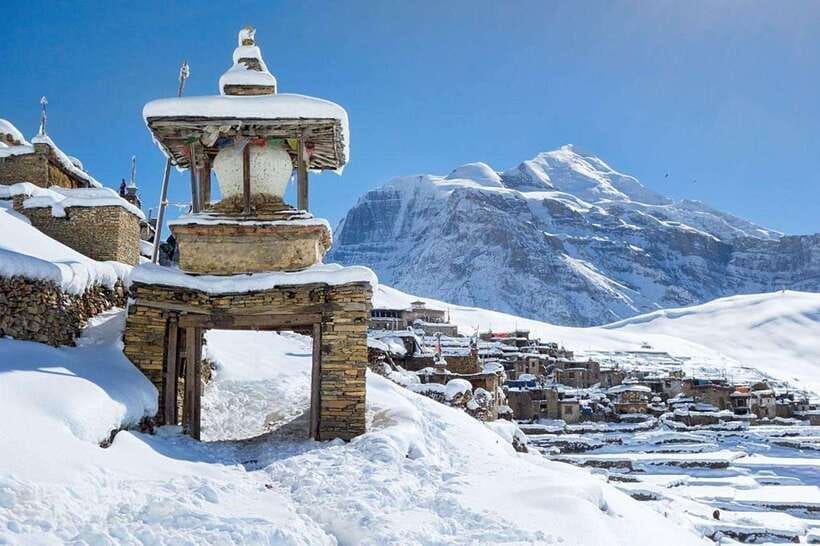
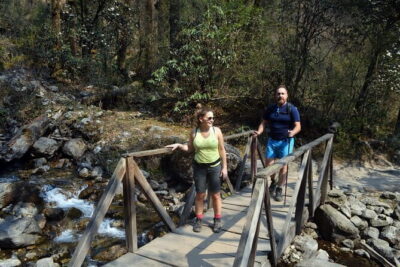
The walk from Koto to Meta introduces the route’s more rugged character. You move away from the main Annapurna Circuit and follow the less-used trail toward the Nar Phu Valley.
The route passes through alpine forest, narrow canyons, and rough mountain terrain. You will see rock walls and unusual formations that make the walking feel more geological than pastoral. The change in altitude is also noticeable, rising from 2,610 meters at Koto to 3,560 meters at Meta.
Meta is an important night stop because it positions you for the higher valley ahead. You should treat this day as a serious acclimatization step, not just a warm-up. Walk steadily, drink enough water, and let your guide know if you feel unwell.
Accommodation is in local lodges when that option is selected. Expect a practical mountain stay rather than hotel comfort. Meals and lodging are also listed as optional inclusions, so check the exact package before booking.
Day 3: Meta to Phu Gaon at 4,080 meters
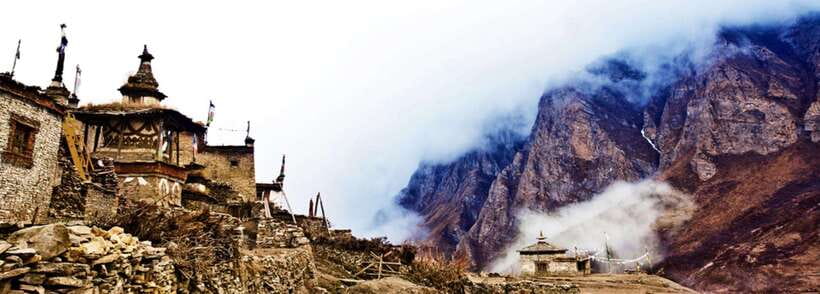
The third day takes you farther into the remote valley and up to Phu Gaon, at 4,080 meters. The surroundings become more open, dry, and exposed, with rugged cliffs and striking rock structures around the trail.
Phu Gaon is one of the reasons to take this route. The village offers a closer look at Tibetan-influenced life in a high mountain setting. The cultural interest is not separate from the scenery here. The buildings, fields, paths, and local routines all reflect the demands of living at altitude.
This is also a demanding walking day because you gain more than 500 meters from Meta. A guide is especially useful here. The route is remote, the elevation is high, and the group needs to move at a sensible pace.
The accommodation remains local lodge style. The listed inclusions mention a sleeping bag with liner, a down jacket, and a duffel bag, all of which must be returned after the trek. That equipment can reduce the amount of personal gear you need to bring, but you still need your own clothing and trekking equipment.
A short list of alternatives around Kathmandu
- Private Kathmandu Sightseeing Tour | UNESCO World Heritage sites
★ 5.0 · 756 reviews - Everest Base Camp Helicopter Tour landing at Everest View Hotel
★ 5.0 · 668 reviews - Half day cooking class in Thamel kathmandu
★ 5.0 · 607 reviews - Kathmandu: Full Day 7 UNESCO Tour with Lunch – Private/Group
★ 5.0 · 415 reviews
Day 4: An acclimatization day in Phu Gaon
The rest day in Phu Gaon is not wasted time. At 4,080 meters, your body needs a chance to adjust before the route climbs toward Kang La Pass.
The tour description does not give a fixed activity schedule for this day, so do not assume a particular excursion. The important purpose is acclimatization and time in the village. You can use the day to rest, explore within the planned area, and take in the Tibetan-influenced culture without the pressure of a full walking stage.
I like this pause in a seven-day schedule because the route is otherwise compressed. Still, one day may not be enough for every person to adjust comfortably. Your fitness, previous high-altitude experience, and response to elevation will matter.
Day 5: Phu Gaon to Nar Phedi at 3,490 meters
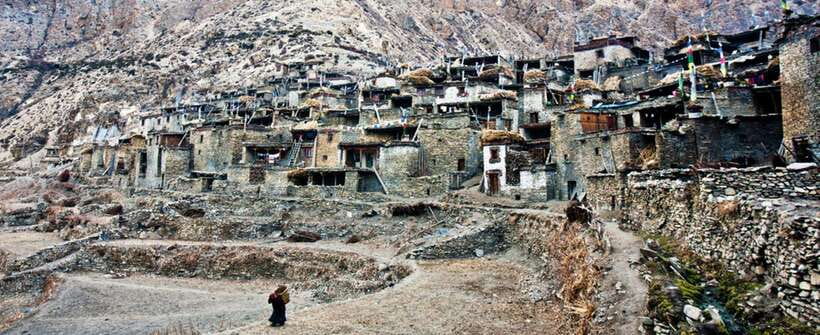
The route then turns toward Nar Phedi, descending to 3,490 meters. This drop can provide some relief after the night at Phu Gaon, though the path remains rugged and the total day still requires effort.
The setting continues to change through narrow passages and stark mountain terrain. This is a good section for people who enjoy walking through unusual rock formations rather than simply following a broad, well-known trail.
Nar Phedi is a useful staging point before Nar Village and the Kang La crossing. You will want to use this night to prepare your clothing, water, and daypack. The next stage reaches the trek’s highest point, and the pass crossing should not be treated casually.
Day 6: Nar Village, Kang La Pass, and Ngawal
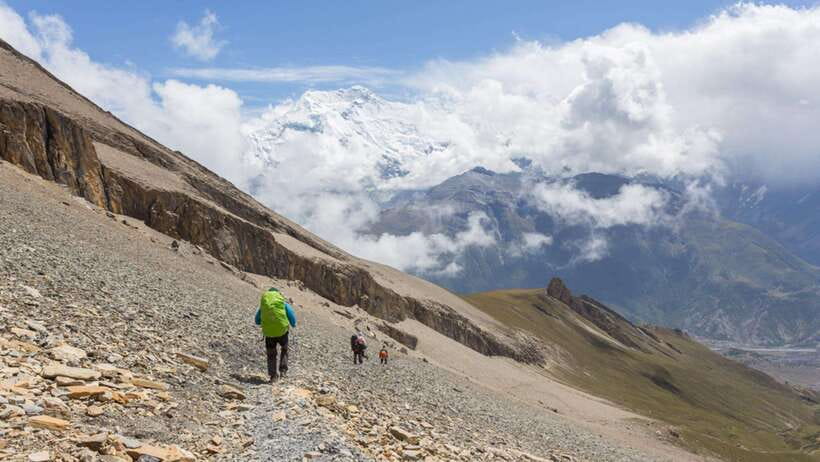
Day six is the hardest and most rewarding part of the published itinerary. You first climb from Nar Phedi to Nar Village, at 4,110 meters, then cross Kang La Pass at 5,320 meters before descending to Ngawal at 3,660 meters.
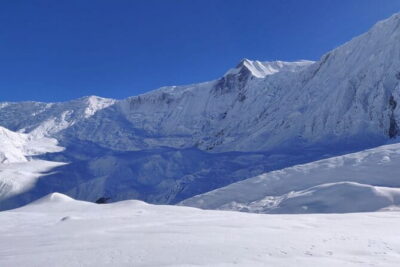
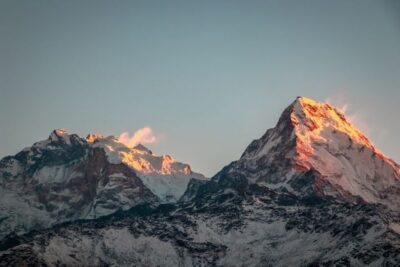
The pass connects Nar with Manang and the Bhotia villages of the Neyshang Valley. From the top, the route offers broad views toward the Annapurna massif. The stated mountain views include Annapurna II, Himlung Himal, Gangapurna, Manaslu, and Tilicho Peak.
This is a major altitude day. You gain more than 1,800 meters from Nar Phedi to the pass, then descend nearly 1,700 meters to Ngawal. The exact walking time is not provided, so you should ask the operator how long the pass day normally takes and what happens if weather makes the crossing unsafe.
Ngawal gives the route a practical finish point after the pass. The village is on the Annapurna Circuit side of the mountains, making the next road transfer possible. You will likely appreciate a lower sleeping altitude after the high crossing.
Day 7: Ngawal to Besisahar and Kathmandu
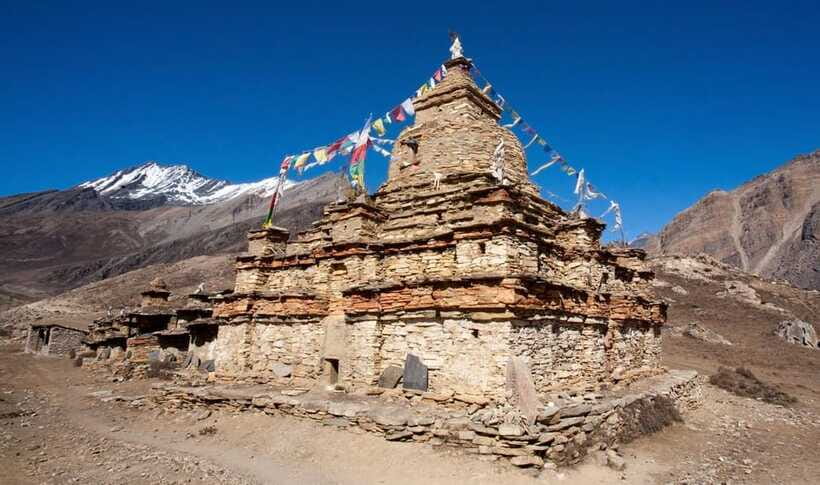
The final day is mainly by road. You travel from Ngawal to Besisahar, then continue to Kathmandu. The listed transport options include a jeep from the upper route to Besisahar and either a local bus or jeep onward to Kathmandu.
This is another long transfer day, and the schedule can be affected by road conditions. If your transport arrives late, you may have little time or energy left in Kathmandu. Plan your onward arrangements with flexibility rather than a tight connection.
There is one point you should clarify before booking. The wider description mentions continuing west toward Thorong La Pass at 5,416 meters, Muktinath, lower Mustang, Jomsom, and flights to Pokhara and Kathmandu. However, the seven-day day-by-day schedule ends at Ngawal, Besisahar, and Kathmandu, and does not list Thorong La, Muktinath, Jomsom, or Pokhara.
That is not a minor wording issue. Those are different route sections with different transport and time demands. Ask for the exact seven-day plan in writing, including whether the trip crosses Kang La only or also includes Thorong La and Jomsom.
What the $266 price really covers
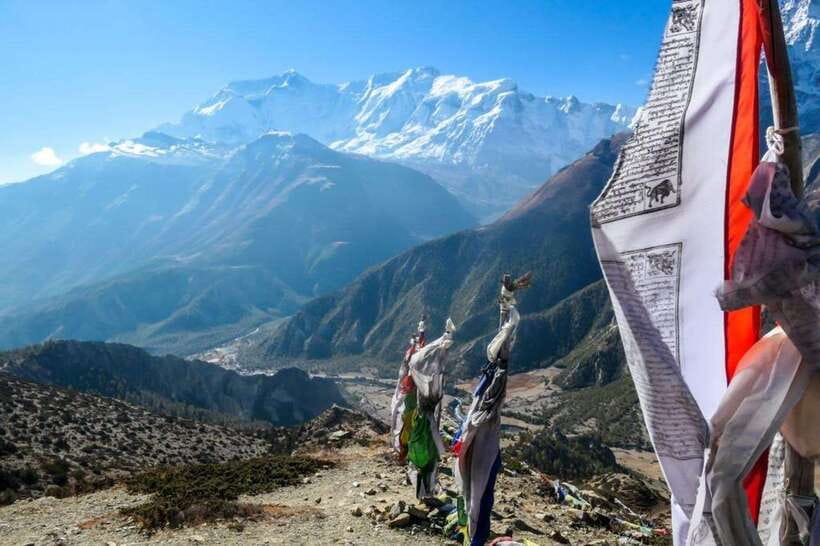
At $266 per person, the trek can offer strong value if the selected option includes permits, lodging, meals, transport, and a porter. The included services can cover a government-licensed English-speaking guide, guide pay and insurance, emergency first aid equipment, government taxes, VAT, permits, a trekking map, a completion certificate, and trekking gear such as a sleeping bag, liner, down jacket, and duffel bag.
The permit package may include the special Nar Phu permit, Annapurna Conservation Area Permit, and TIMS permit, but the details say this applies if the option is selected. Meals, six nights of lodge accommodation, and porter service are also marked as conditional.
That means you should not compare the headline price with a fully inclusive trekking package until you know what is actually included. A shared porter is listed as one porter for two people. If you are traveling alone, contact the company before booking, because the porter and pricing arrangement may change.
The price does not include international flights, Nepal entry visa fees, Kathmandu or Pokhara hotels and meals, personal equipment, beverages, laundry, hot showers, or individual travel insurance. It also excludes costs caused by events outside management control, including weather, landslides, illness, government policy changes, strikes, and safety-related itinerary changes.
The culture and scenery you pay to see
Nar and Phu are valuable because they provide more than mountain views. The villages show how Tibetan culture has shaped this part of Nepal, from daily habits to the form of settlement in a difficult high-altitude environment.
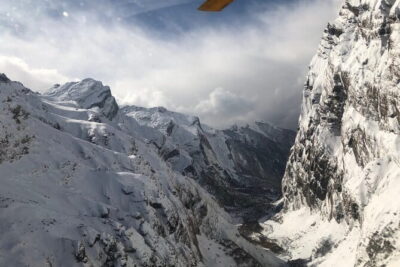
The route also has a strong visual rhythm. You begin among alpine forests and terraced fields, pass through confined canyons, then reach broad, dry mountain spaces and high cliffs. The rock structures and land formations are not background decoration. They are a central part of the walk.
The mountain views add scale to the experience. Annapurna II, Himlung Himal, Gangapurna, Manaslu, and Tilicho Peak are named as possible sights, but clear views depend on weather and conditions. The route gives you the right setting for those peaks, not a guarantee of perfect visibility.
Guide support, group style, and practical comfort
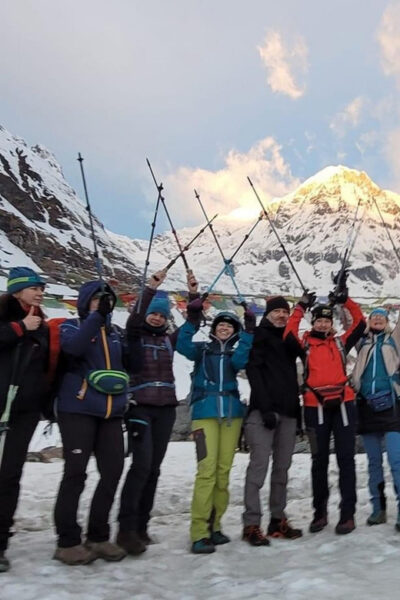
This is a private group experience with a live English-speaking guide. That setup is useful on a remote route because you can ask questions about the villages, keep the walking pace suited to the group, and discuss safety concerns directly.
The guide is licensed by the Nepal government, and the listed support includes guide insurance, equipment, food, and lodging. Emergency first aid kits are also provided. You should still bring individual travel insurance, since personal insurance is not included.
The meeting point is the third floor of the yellow building in front of Saraswoti College. It is worth confirming the meeting time, vehicle details, and whether pickup from Kenluv Home is included, since both locations appear in the trip information.
You receive an attractive Marvel T-shirt, a trekking map, and a completion certificate. Those extras will not make the pass easier, but they are useful keepsakes from a route that is less familiar than the standard Annapurna Circuit.
Who should book this trek
I would recommend this trek to you if you want:
- A short but serious Himalayan route
- Remote villages rather than heavily used trails
- Tibetan-influenced culture in Nepal
- High mountain scenery and a major pass crossing
- A private group and English-speaking guide
- A package that may combine permits, transport, meals, lodging, and porter support
I would be more cautious if you have little experience with high altitude or if you need a relaxed schedule. The itinerary reaches 5,320 meters in only a few days, and the final road transfer may be long.
You should also be comfortable with basic local lodge accommodation, uncertain mountain transport, and possible itinerary changes. This is not a polished resort trip. Its appeal comes from the remote setting and the effort required to reach it.
Should you book the Nar Phu Valley trek?
Book it if your priority is access to a remote part of Nepal, Tibetan-influenced villages, and a demanding pass crossing in a compact private itinerary. The strongest parts are the turn away from the main Annapurna route, the time in Phu Gaon, and the views from Kang La Pass.
Before booking, ask three direct questions: Which inclusions apply to the $266 option? Does the seven-day route end at Ngawal and Besisahar, or does it also include Thorong La, Muktinath, and Jomsom? What transport is planned from Kathmandu to Koto and from Ngawal back to Kathmandu?
The experience received a verified five-star rating from Olivia of the United Kingdom on June 10, 2024, who described having the best time on the trek. That positive result supports the appeal of the route, but the practical details still deserve your attention. If the operator confirms the route and inclusions clearly, this is a compelling choice for fit walkers who want Nepal beyond the usual circuit.
FAQ
How long is the Nar Phu Valley trek?
The trek lasts seven days.
Where does the trek start?
The meeting point is the third floor of the yellow building in front of Saraswoti College. The itinerary begins with transport from Kenluv Home toward Koto.
What is the highest point on the listed itinerary?
The highest point is Kang La Pass, listed at 5,320 meters.
Does the trek include Thorong La Pass?
The general description mentions Thorong La Pass at 5,416 meters, but the seven-day itinerary lists Kang La Pass and ends after travel from Ngawal to Besisahar and Kathmandu. Confirm this route detail before booking.
Is a guide included?
Yes. An experienced English-speaking trekking guide licensed by the Nepal government is included.
Are meals and lodging included?
Six nights and seven days of local lodge accommodation and all meals are included only if the relevant option is selected. Check the package details before payment.
Is a porter included?
A shared porter arrangement is listed, with one porter for two people, if that option is selected. Solo visitors should email the company before booking.
What does the price exclude?
The price excludes international flights, Nepal visa fees, Kathmandu and Pokhara accommodation and meals, personal equipment, drinks, laundry, hot showers, and individual travel insurance. Costs caused by weather, landslides, illness, strikes, or other events outside management control are also excluded.
Can I cancel the booking?
You can cancel up to 24 hours in advance for a full refund. The trip also offers reserve now and pay later booking.
New in the Kathmandu listings
- Traditional Momo Making Class★ 5.0 · 10 reviews
- Kathmandu: Ancient City Kirtipur & Pharping Monastery Tour★ 5.0 · 2 reviews
- Kathmandu to Pokhara Premium sofa bus ticket★ 4.0 · 17 reviews
- Women Empowerment Project(Nepali cooking class & jewelry workshop★ 5.0 · 15 reviews
- 7-Day Langtang Valley Trek from Kathmandu★ 5.0 · 1 review
- Kathmandu 2 Nights 3 Days Chitwan Jungle Safari Tour★ 5.0 · 9 reviews
- Yoga Experience Day Trip with Private Transfer From Kathmandu★ 4.0 · 2 reviews
- Wildlife Adventure in Chitwan Nepal★ 4.0 · 4 reviews
7-Day Experiences, compared.
7-Day Annapurna Base Camp Trek & Natural Hot Spring
Read our review →