REVIEW · 7-DAY EXPERIENCES
Pikey Peak Trek – 7 Days Adventures in the Himalayas
Sunrise arrives early in the Himalayas. This seven-day Pikey Peak trek offers a quieter route through the Lower Everest region, with wide mountain views, Sherpa villages, monasteries, forests, and a memorable sunrise from 4,065-meter Pikey Peak. I especially like the less crowded trail and the chance to spend time in traditional communities rather than rushing toward Everest Base Camp. The itinerary also gives you views toward Everest, Lhotse, Nuptse, Makalu, and Kanchenjunga.
The main consideration is cost planning. At $401 per person, the trip includes transport, accommodation, a guide, and permits, but your own breakfast, lunch, dinner, drinks, porter, insurance, and personal spending are not included. The long road journeys, basic mountain accommodation, high altitude, and demanding walking days also require reasonable fitness.
A verified booking note from March 2025 described the route as very good and little frequented. That short comment fits the main appeal here: Pikey Peak is for you if quiet trails and mountain scenery matter more than famous trekking crowds and polished facilities.
In This Review
- Key points to know before you book
- Why Pikey Peak is a good alternative to busier Nepal treks
- Day 1: Kathmandu to Dhap at 2,930 meters
- Day 2: Dhap to Jhapre through forest and Sherpa villages
- Day 3: Jhapre to Pikey Peak Base Camp at 3,640 meters
- Day 4: Sunrise at Pikey Peak, then down to Loding
- Day 5: Loding to Junbesi and its monastery
- Day 6: Junbesi to Phaplu at 2,469 meters
- Day 7: The long drive from Phaplu back to Kathmandu
- What $401 includes, and what it does not
- When to go and what to pack
- Meeting point, guide, and flexibility
- Who should choose this Pikey Peak trek?
- Should you book the seven-day Pikey Peak Trek?
- FAQ
- How long is the Pikey Peak Trek?
- What is the highest point on the trek?
- Which mountains can you see from Pikey Peak?
- Is transport from Kathmandu included?
- Are meals included in the price?
- Is a porter included?
- What language does the guide speak?
- When is the best time to take this trek?
- Can the itinerary be changed?
Key points to know before you book
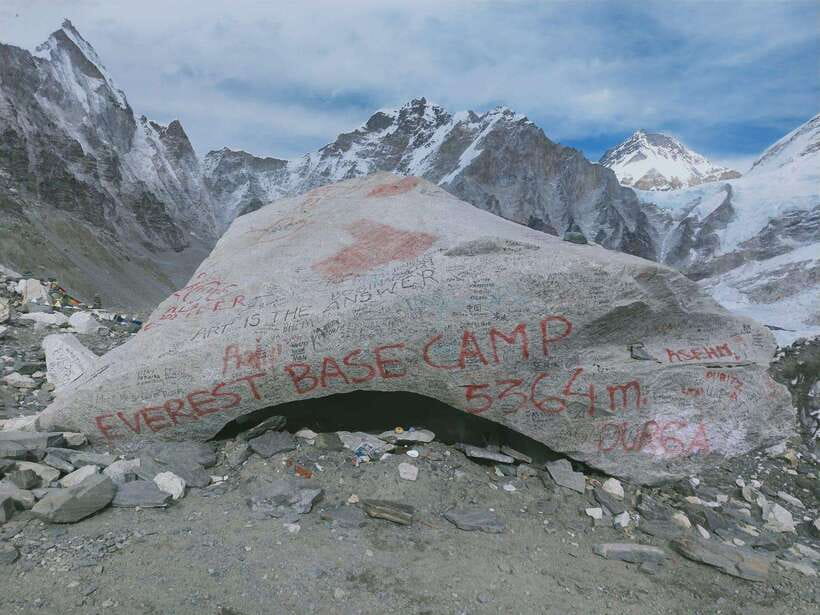
- Pikey Peak reaches 4,065 meters, with sunrise views toward Everest, Lhotse, Nuptse, Makalu, and Kanchenjunga.
- The route begins at Dhap and ends at Phaplu, connected by long road trips from and back to Kathmandu.
- Jhapre and Junbesi add cultural value, with Sherpa villages and monasteries along the walking route.
- The trail is known for being relatively quiet, a major advantage if you prefer a calmer mountain experience.
- Your meals are not included, while accommodation, permits, guide service, and transport are included.
- March to May and September to November are given as the best periods to go.
Why Pikey Peak is a good alternative to busier Nepal treks
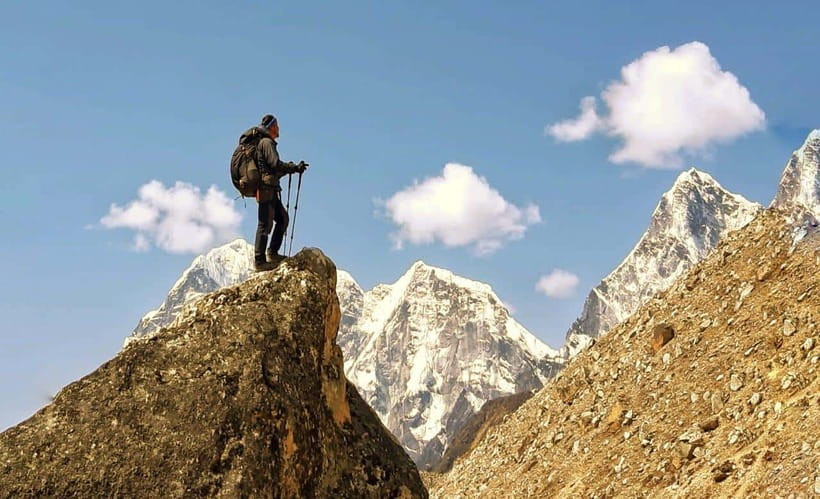
Pikey Peak sits in Nepal’s Lower Everest region, but this is not the standard Everest Base Camp route. You do not spend the week following a heavily used trail toward a famous endpoint. Instead, the route links hill villages, forest paths, yak pastures, monasteries, and high ridges.
I like that balance. You still get serious Himalayan views, yet the experience is shaped by local villages and open walking rather than by a single famous destination. The route is also relatively short at seven days, making it useful if you have less time than a longer Everest trek requires.
The quiet character is one of the strongest reasons to choose it. The verified March 2025 note described the route as very good and little frequented. That is exactly the sort of praise that matters for this trek. You should expect a more peaceful setting, though quiet routes often come with simpler tea houses and fewer services.
Pikey Peak is not an easy sightseeing outing. The highest point reaches 4,065 meters, and the itinerary includes an early morning summit hike followed by a long descent to Loding. You need to be comfortable walking uphill and downhill for several hours, often on uneven mountain paths.
More walking in the hills of Kathmandu:
- Everest Base Camp Trek – 14 Days
★ 5.0 · 1,499 reviews - Everest Base Camp Trekking
★ 5.0 · 485 reviews - Nagarkot Sunrise View and Day Hiking from Kathmandu
★ 5.0 · 471 reviews
Day 1: Kathmandu to Dhap at 2,930 meters
The trip starts with a drive from Kathmandu to Dhap. The road journey takes you through rural villages, terraced fields, and Nepal’s hill country. This is not merely a transfer to forget. It gives you an early look at the farming communities and changing scenery outside the capital.
Dhap is the trekking starting point, already at 2,930 meters. That high starting elevation means you do not begin with a long low-altitude approach, but it also means your body has less time to adjust before the walking starts. Take this first day calmly and use the evening to organize your warm clothes, water, and trekking gear.
The road trip is one of the practical tradeoffs. You save time compared with a longer approach on foot, but eight or nine hours on Nepal’s hill roads can feel tiring. If you are sensitive to long drives, keep water and personal items close at hand. The activity information also lists people prone to seasickness among those for whom the trip may not be suitable, an unusual note for a mountain trek but worth taking seriously if winding roads affect you.
Day 2: Dhap to Jhapre through forest and Sherpa villages
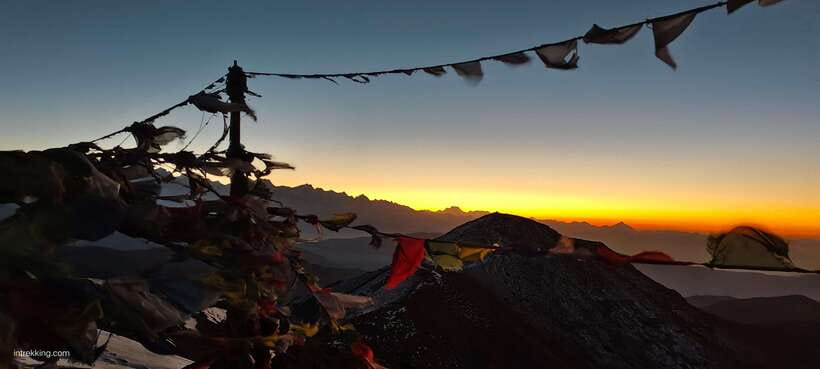
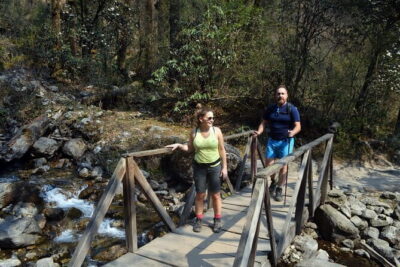
The walk from Dhap to Jhapre reaches 2,820 meters. The route passes through rhododendron forests, traditional Sherpa villages, and mountain scenery that begins to open toward the snow peaks.
Jhapre is a small village with a monastery. This stop gives the trek a cultural center, not just a place to sleep. You can observe local village life and see how the route connects the natural setting with Sherpa religious traditions.
The altitude difference between Dhap and Jhapre is not large, but the trail can still feel demanding because the route rises and falls rather than simply losing elevation. Forest sections should provide a welcome change from exposed ridges, while the distant views offer a preview of the bigger mountain panoramas ahead.
I would treat Jhapre as a place to slow down. You are not visiting a large monument with a fixed viewing platform. The value comes from the village, the monastery, the surrounding forest, and the sense of being on a local route.
Day 3: Jhapre to Pikey Peak Base Camp at 3,640 meters
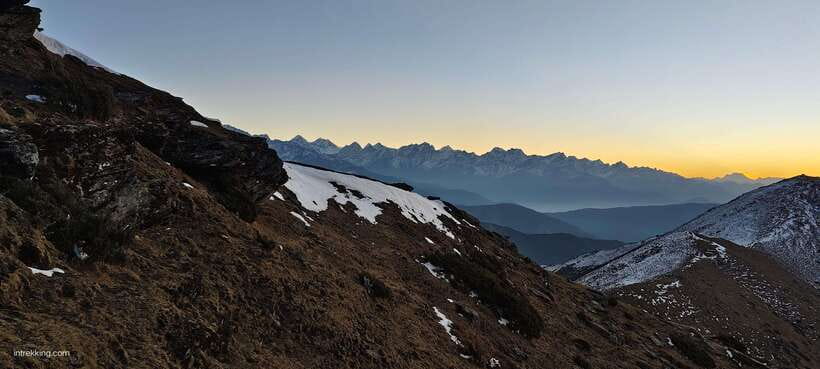
The third walking day takes you from Jhapre to Pikey Peak Base Camp at 3,640 meters. The trail moves through pine forests and yak pastures, with the mountain views becoming more prominent as you gain height.
This is an important day for pacing. The base camp is considerably higher than Jhapre, and you will spend the night in a basic tea house or camp. Basic means you should not expect city-style comfort. Warm clothing, a hat, a sleeping setup suitable for cold conditions, and a good water supply are practical priorities.
The scenery changes as you climb. Pine forest gives way to more open high-country views, and yak pastures make the setting feel distinctly Himalayan. The route is not only about reaching the summit the next morning. This part gives you time to see the transition from settled village country to a higher, more exposed mountain environment.
Your guide is included, and the listed guide language is English. The guide also handles the trekking permits included in the price. No individual guide name is provided, so confirm who will lead your group before departure if that matters to you.
A short list of alternatives around Kathmandu
- Private Kathmandu Sightseeing Tour | UNESCO World Heritage sites
★ 5.0 · 756 reviews - Everest Base Camp Helicopter Tour landing at Everest View Hotel
★ 5.0 · 668 reviews - Half day cooking class in Thamel kathmandu
★ 5.0 · 607 reviews - Kathmandu: Full Day 7 UNESCO Tour with Lunch – Private/Group
★ 5.0 · 415 reviews
Day 4: Sunrise at Pikey Peak, then down to Loding
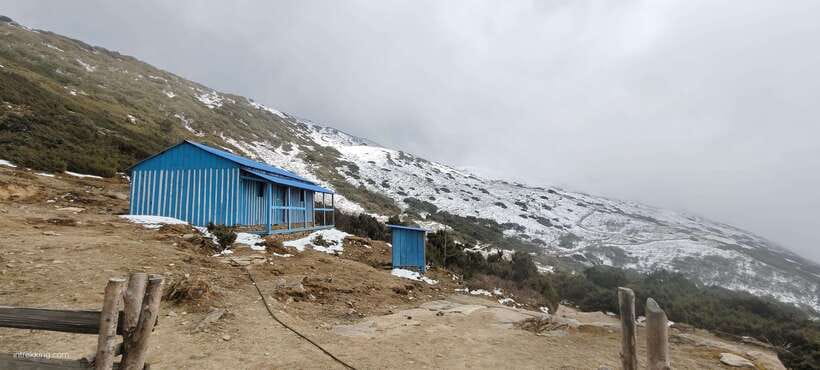
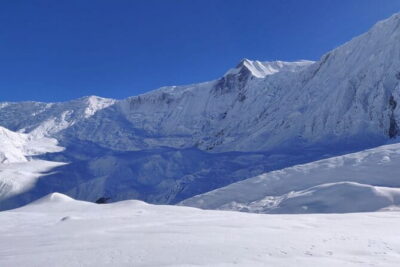
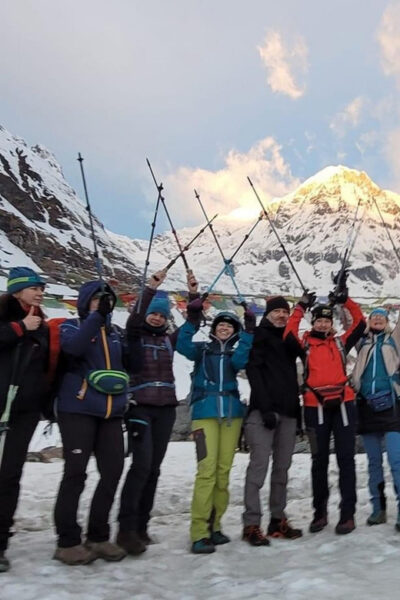
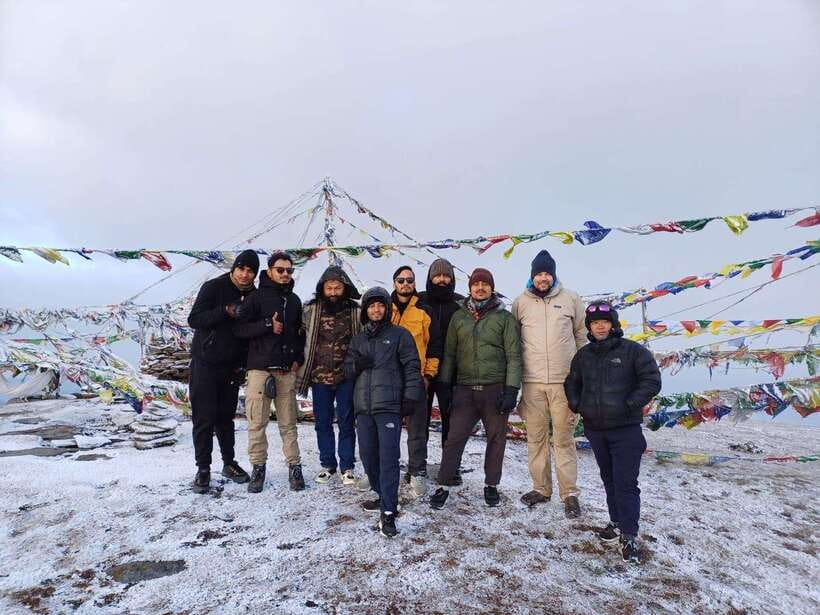
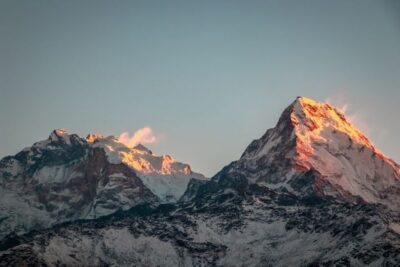
Day four is the highlight and the toughest schedule on paper. You leave early for the hike to Pikey Peak at 4,065 meters, aiming to see sunrise over the Himalayas. The viewpoint can reveal Everest, Lhotse, Nuptse, Makalu, and even Kanchenjunga when conditions are clear.
This is the day to keep your camera ready, but do not let photography distract you from the conditions. Sunrise at high altitude means cold air and limited light. Bring warm layers, a hat, water, sunscreen, and comfortable shoes. The supplied packing advice also calls for trekking gear, which should be treated as essential rather than optional.
After the summit, the route descends to Loding at 2,515 meters. That is a major loss of elevation in one day. Descending may look easier than climbing, but tired legs and uneven paths can make it surprisingly strenuous. Good footwear matters, and you should not rush simply because the trail points downhill.
The reward is the combination of a high viewpoint and a lower overnight stop. You see the mountains at first light, then return to forest and village surroundings. The day packs the trek’s biggest visual moment into a demanding but memorable section.
Day 5: Loding to Junbesi and its monastery
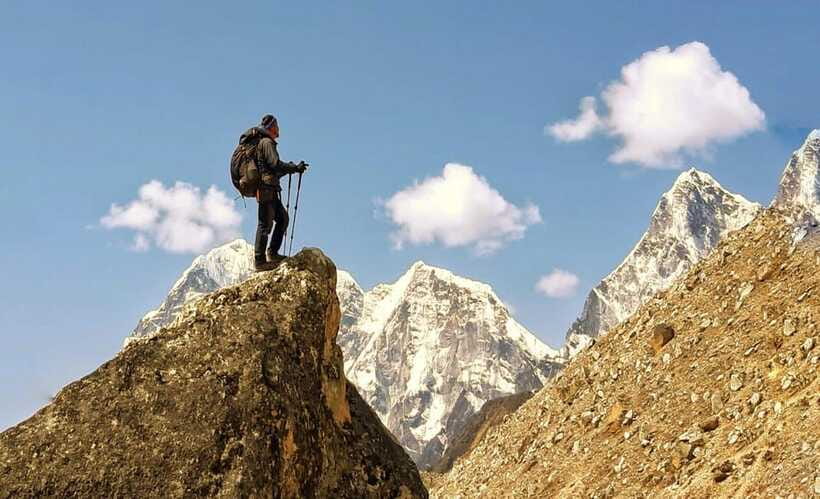
From Loding, you continue to Junbesi at 2,700 meters. The route passes through lush forests and attractive mountain scenery before reaching one of the trek’s most appealing villages.
Junbesi is a traditional Sherpa settlement with an ancient monastery. This gives you another chance to see local culture in a setting that feels connected to the walking route, rather than added as a quick side stop. The village is also a useful contrast to the high base camp and exposed summit ridge.
The day descends overall, but do not assume it is effortless. Mountain trails can include repeated short climbs, and the previous day’s summit hike may still be in your legs. Junbesi is a good place to rest, explore nearby village areas, and pay attention to local customs.
Respect matters here. Dress sensibly, follow your guide’s advice around monasteries, and avoid smoking, alcohol, drugs, and littering. These restrictions are simple, but they protect the character of the places you came to see.
Day 6: Junbesi to Phaplu at 2,469 meters
The final walking day takes you from Junbesi to Phaplu. The route continues through scenic paths and descends to the small settlement known for its airstrip.
Phaplu is the practical end of the trek. You may have time to explore local monasteries and villages in the area, depending on the day’s pace and your transport plan. The stop also marks a clear shift from remote walking country toward the road connection back to Kathmandu.
This section is less about one dramatic viewpoint and more about finishing well. You are moving through lower terrain, but fatigue can affect your footing. Keep your shoes on, carry water, and use the last day to enjoy the changing scenery rather than treating it as a race to the vehicle.
Day 7: The long drive from Phaplu back to Kathmandu
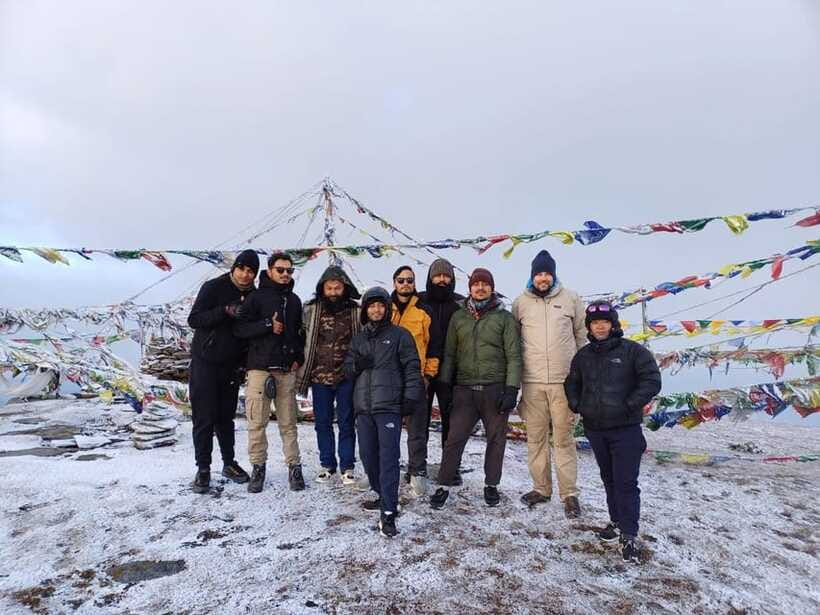
The return to Kathmandu takes about eight to nine hours by road. This is a full travel day, not a quick transfer. The advantage is that you return overland without needing an additional flight arrangement, but the downside is the time spent on winding hill roads.
Your transport from Phaplu to Kathmandu is included, as is the outbound transport from Kathmandu to Dhap. Confirm the departure time and meeting details with the provider before setting other plans in Kathmandu, especially if you have a flight soon after the trek.
What $401 includes, and what it does not
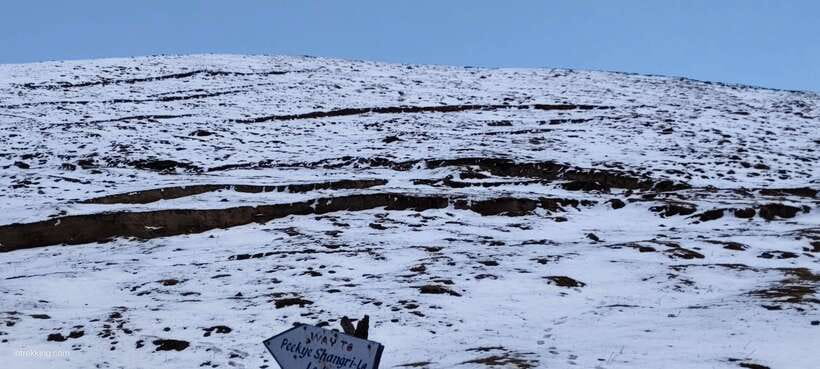
At $401 per person, the package offers reasonable value if you want the main structure handled for you. Accommodation during the trek, an experienced guide, permits, and both major road transfers are included. Those costs can be inconvenient to arrange separately, particularly when the route includes different villages and a one-way trek from Dhap to Phaplu.
The price does not cover your meals. Breakfast, lunch, and dinner are listed as your responsibility, while meals are provided only for the guide. You should budget separately for food and drinks throughout the trek.
A porter is also excluded. If you do not want to carry your own pack, you will need to arrange and pay for that separately. Personal expenses and travel insurance are also outside the package. Insurance is especially important for a high-altitude trek, even though the supplied information does not specify a particular policy or evacuation arrangement.
Accommodation is included, but the base camp night is described as a basic tea house or camp. Expect practical shelter rather than hotel comfort. The simple lodging is part of the price calculation, and you should pack with cold, changing conditions in mind.
When to go and what to pack
The recommended periods are March to May and September to November. These months are generally identified as the best times for this trek, but mountain weather can still change quickly. The itinerary specifically advises you to prepare for varying conditions.
Your basic packing list should include:
- Comfortable walking shoes
- Warm clothing and a hat
- Sunscreen
- Water
- A camera
- Suitable trekking gear
The sunrise hike makes warm layers particularly important. You may start walking before daylight at 4,065 meters, so a light jacket alone may not be enough. Keep your water and warm clothing accessible rather than buried in a large pack.
The activity is not suitable for children under eight, pregnant women, or people with back or heart problems. Physical fitness is required. People prone to seasickness are also listed as unsuitable, likely because of the long, winding road journeys.
Meeting point, guide, and flexibility
The meeting point is described as The Best Kathmandu Kichion Opposite. The wording is not fully clear, so I would confirm the exact location and pickup instructions with Info Nepal Tours and Treks before the start.
The guide speaks English, and an experienced guide is included. Itinerary adjustments are allowed, which can be useful when weather, road conditions, or local circumstances affect the schedule. That flexibility is helpful, but it also means you should view the day-by-day plan as a working outline rather than a guarantee of exact departure times.
Free cancellation is available up to 24 hours in advance for a full refund, and you can reserve now and pay later. Those terms are useful when your Nepal plans are still taking shape.
Who should choose this Pikey Peak trek?
I would recommend this trek to you if you want Himalayan views without committing to a much longer expedition. It suits people who value quieter trails, local Sherpa villages, monasteries, forests, and a strong mountain sunrise.
It is also a good fit if you are comfortable with basic accommodation and can organize your own meals, insurance, and porter arrangements. The $401 price is more attractive when you already have suitable trekking equipment and do not need extra support services.
I would think twice if you want a polished lodge experience, included meals, short transfer days, or a relaxed walking schedule. The drive to Dhap, the high overnight at base camp, the early summit start, and the long return drive all require patience.
Should you book the seven-day Pikey Peak Trek?
Book it if your priority is a quieter Himalayan route with a clear summit goal and genuine village contact. The best features are the sunrise from 4,065 meters, the broad views toward several major peaks, and the chance to visit Sherpa communities and monasteries without spending weeks on the trail.
Before paying, confirm the exact meeting point, the guide assignment, accommodation arrangements, food budget, and what trekking equipment you need to provide yourself. If you are prepared for basic conditions and a demanding fourth day, this is a well-priced way to experience the Lower Everest region away from the busiest routes. If you need every meal, a porter, or softer logistics included, the advertised price will not tell the whole cost.
FAQ
How long is the Pikey Peak Trek?
The trek lasts seven days, including the drive from Kathmandu to Dhap on day one and the return drive from Phaplu to Kathmandu on day seven.
What is the highest point on the trek?
The highest point is Pikey Peak at 4,065 meters.
Which mountains can you see from Pikey Peak?
From Pikey Peak, you may see Mount Everest, Lhotse, Nuptse, Makalu, and Kanchenjunga, depending on visibility.
Is transport from Kathmandu included?
Yes. Transport from Kathmandu to Dhap and from Phaplu back to Kathmandu is included.
Are meals included in the price?
Your meals are not included. Breakfast, lunch, and dinner are listed as your responsibility. Meals are included only for the guide.
Is a porter included?
No. Porter service is not included in the $401 price.
What language does the guide speak?
The live guide service is provided in English.
When is the best time to take this trek?
The recommended periods are March to May and September to November.
Can the itinerary be changed?
Yes. Adjustments to the itinerary can be made. You should also prepare for changing weather and varying mountain conditions.
New in the Kathmandu listings
- Traditional Momo Making Class★ 5.0 · 10 reviews
- Kathmandu: Ancient City Kirtipur & Pharping Monastery Tour★ 5.0 · 2 reviews
- Kathmandu to Pokhara Premium sofa bus ticket★ 4.0 · 17 reviews
- Women Empowerment Project(Nepali cooking class & jewelry workshop★ 5.0 · 15 reviews
- 7-Day Langtang Valley Trek from Kathmandu★ 5.0 · 1 review
- Kathmandu 2 Nights 3 Days Chitwan Jungle Safari Tour★ 5.0 · 9 reviews
- Yoga Experience Day Trip with Private Transfer From Kathmandu★ 4.0 · 2 reviews
- Wildlife Adventure in Chitwan Nepal★ 4.0 · 4 reviews
7-Day Experiences, compared.
7-Day Annapurna Base Camp Trek & Natural Hot Spring
Read our review →